


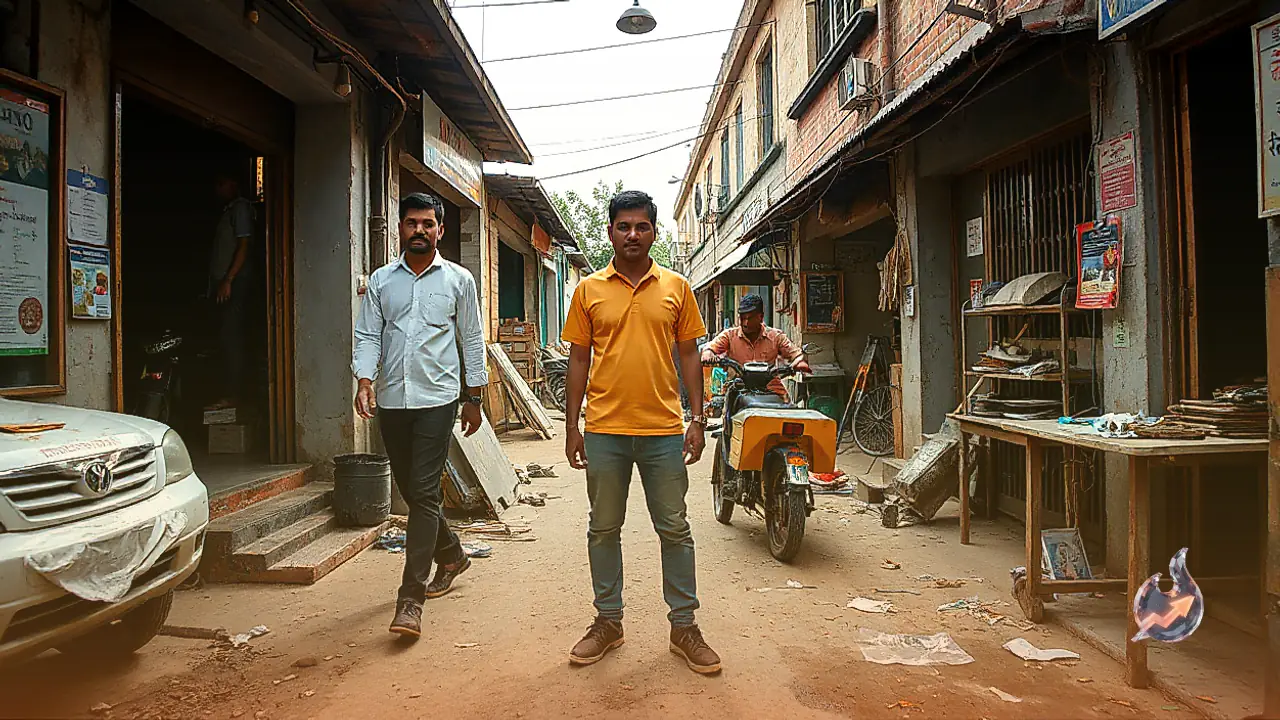














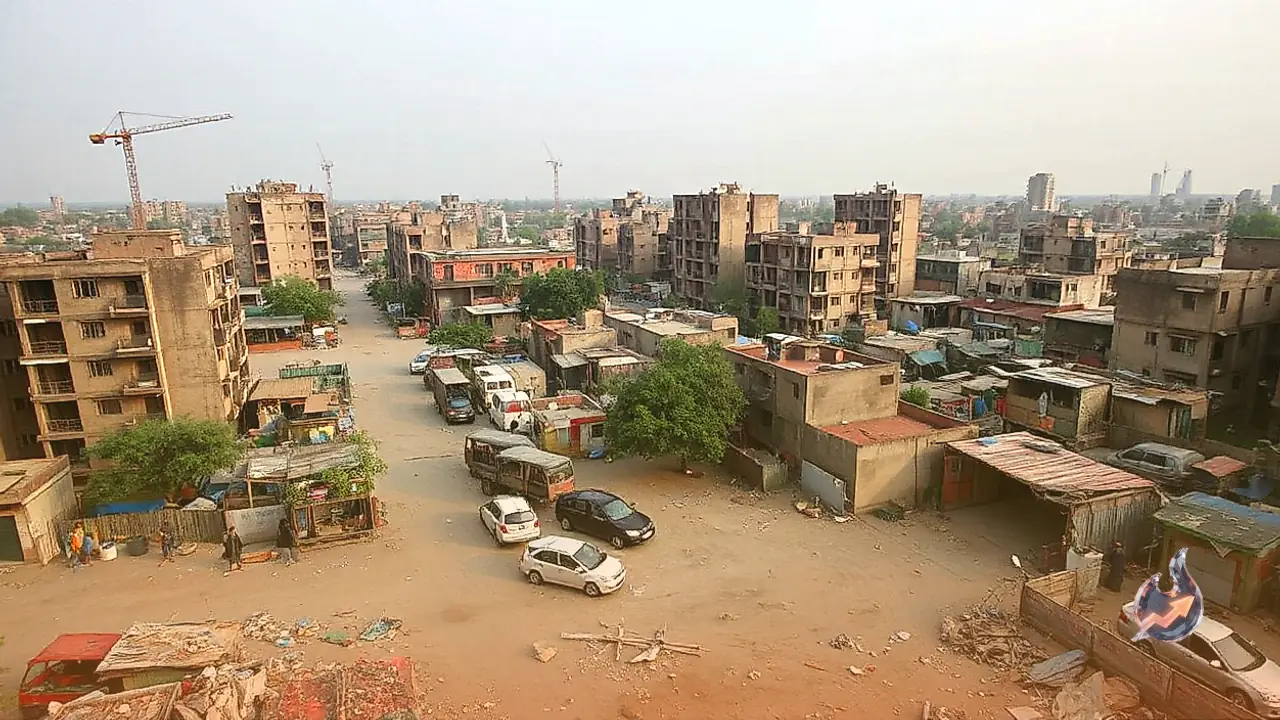

A comprehensive rehabilitation initiative has been set in motion for hundreds of thousands of residents enduring cramped alleys and tin-roof shelters across the capital. The Delhi government has put into effect a new redevelopment policy aimed at transforming around 675 slum clusters across the city. Under this blueprint, the administration aims to grant permanent, fully equipped flats to approximately 4 lakh eligible households, providing families with long-term residential security.
Unit Specifications and Built-in Facilities
According to the structural guidelines of the policy, each qualifying family will receive a newly constructed flat measuring at least 25 square metres. The layout of these units has been structured to address essential domestic needs, featuring a dedicated bedroom, a kitchen, a private bathroom, a separate toilet, and a balcony. The standardisation guarantees that beneficiaries transition from vulnerable temporary huts into hygienic, structurally sound living quarters.
In-Situ Relocation Priority to Protect Daily Livelihoods
A crucial element of this housing initiative is the priority placed on local or near-site rehabilitation. Beneficiaries will be housed in proximity to their existing settlements wherever feasible. This measure is intended to safeguard daily routines, ensuring that breadwinners do not lose local employment opportunities, children avoid school transfers, and family support systems remain intact during the urban transition.
Beneficiary Pricing and Eligibility Criteria
The policy fixes the upfront cost for eligible households at 1.50 lakh rupees per flat. In addition to this allocation fee, an independent maintenance corpus of 50 thousand rupees must be deposited to fund the continuous upkeep and civic management of the housing societies. Allocation will strictly depend on meeting defined eligibility rules
- The slum dwelling must have been established prior to 1 January 2025.
- The beneficiary household must not own any permanent (pucca) house anywhere across India.
- Benefits will be restricted solely to families that clear the comprehensive verification criteria formulated by the authorities.
Initial Phase Across Seelampur, Sultanpuri, and Lajpat Nagar
The practical rollout begins with a focused initial phase spanning three major localities. Authorities have mapped out the redevelopment of 4,870 slum dwellings located across 17 informal settlements in Seelampur, Sultanpuri, and Lajpat Nagar. Plans outline the construction of three high-rise residential complexes to house these residents. Alongside modernising informal settlements, the capital-intensive construction projects are expected to generate substantial momentum for the infrastructure, cement, steel, and real estate sectors.