


















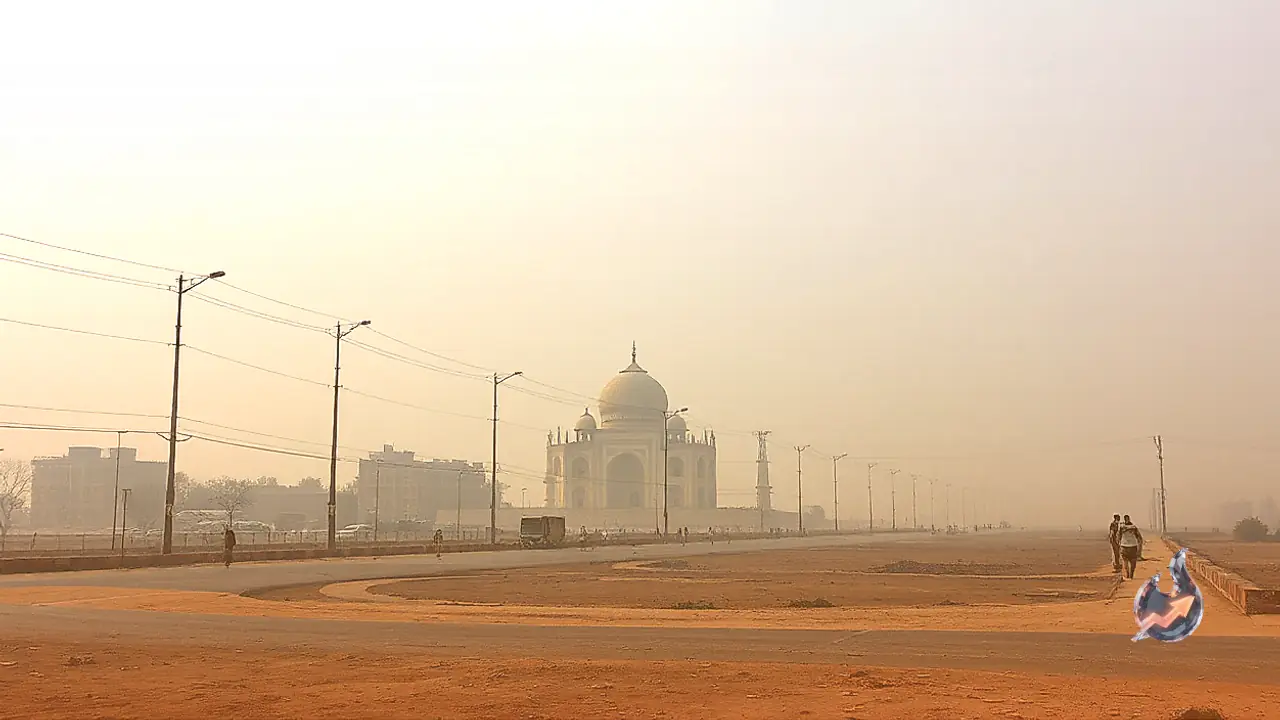

The atmosphere across the national capital region is on course to turn hazardous once again following the Diwali festivities, according to regional meteorological forecasts. A substantial spike in air pollution is anticipated in the immediate aftermath of the festival as dropping wind velocity prevents hazardous airborne particles from dispersing. Consequently, toxic matter is likely to remain locked directly over the city sky, though an impending shift in prevailing wind direction on the day of the festival may offer brief, partial respite by clearing some lingering haze.
Shifting Wind Currents and the November 8 Transition
Outlining the immediate meteorological progression, weather expert Mahesh Palawat explained that moderate northwesterly winds originating from northwestern Rajasthan are expected to traverse the capital until November 7. A notable shift in circulation is anticipated soon after. Palawat stated that starting from the night of November 8, mild easterly winds will begin blowing across the territory. This change in wind currents is projected to offer temporary relief, helping to disperse and thin out airborne pollutants to some extent right around the festival period.
Mounting Deterioration Anticipated from November 9
This marginal breathing room will likely prove fleeting, with Mahesh Palawat cautioning that atmospheric conditions could deteriorate significantly on November 9. The incoming easterly breezes are forecast to lose strength rapidly and turn feeble. When winds stall, particulate matter accumulates near ground level rather than dispersing horizontally or vertically. As an inevitable consequence of this stagnation, the city's Air Quality Index (AQI) is expected to register a sharp upward surge, presenting severe challenges for public respiration.
Wind Speed Trajectory and Western Disturbance Disruption
Meteorologist Navdeep Dahiya noted that winds currently blowing below 5 km/h are likely to gather temporary momentum on November 6 and 7, reaching speeds of approximately 10-20 km/h. This increase in airspeed is anticipated to aid the dissipation of dense smog covers spanning Delhi, Haryana, Punjab, and Uttar Pradesh. According to Dahiya, the gustier conditions could deliver a 20-30 percent air quality improvement during afternoon and evening hours, alongside a 10-20 percent improvement during the nighttime window.
However, Dahiya warned that an arriving Western Disturbance will disrupt this ventilating flow. Between November 8 and 13, the presence of this weather system will cause surface wind speeds to plummet once again. With wind circulation dropping to a crawl, air pollution levels across the region may escalate to the peak levels of the ongoing winter season.
Understanding Smog and Its Impact on Regional Visibility
The phenomenon known as smog represents an amalgamation of smoke and natural fog. It constitutes a severe manifestation of air pollution occurring when airborne dust, vehicular emissions, and factory pollutants coalesce with microscopic water droplets suspended in cold air. This chemical binding produces a persistent, murky veil across the lower atmosphere. Beyond creating hazardous conditions for inhalation, smog drastically curtails horizontal visibility, disrupting road transit, train movements, and day-to-day commuter travel across the affected urban belt.