



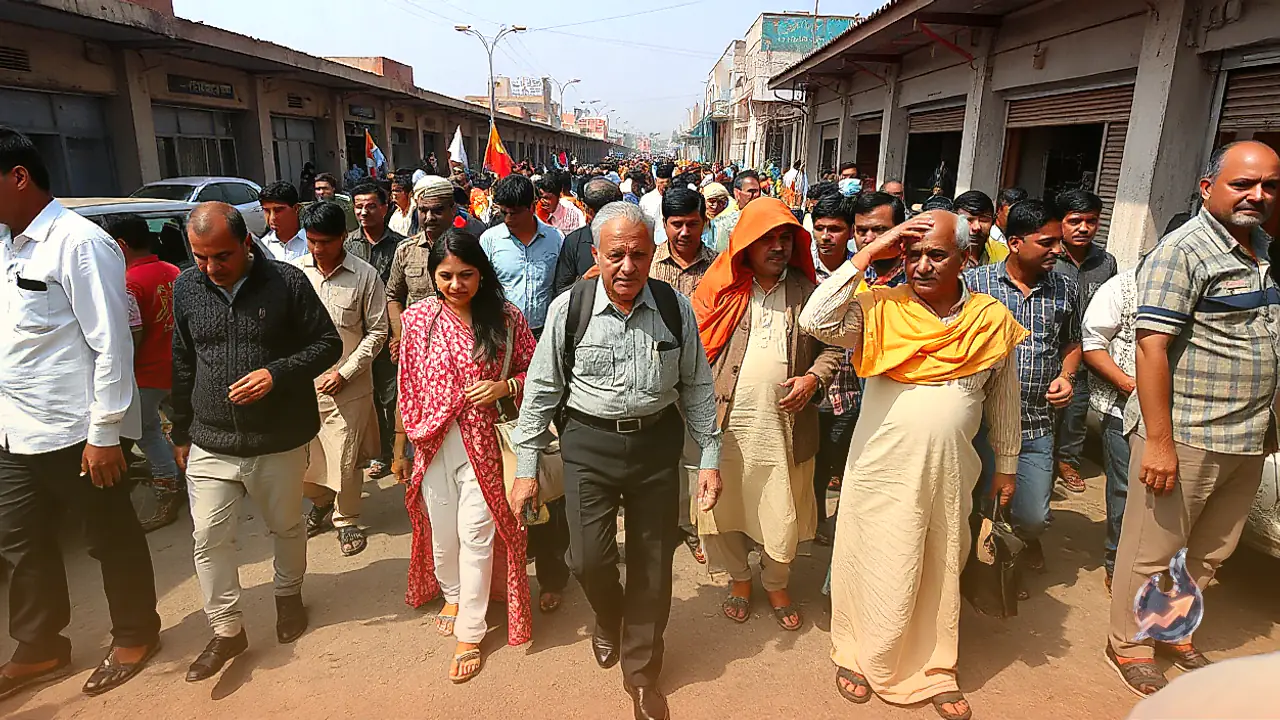
















A recent photograph emerging from an INDIA bloc opposition rally in New Delhi has ignited a fresh and uncomfortable debate across sections of the Left Front. In the image, Communist Party of India (Marxist), or CPIM, General Secretary MA Baby is seen whispering into the ear of West Bengal Chief Minister Mamata Banerjee, while the Trinamool Congress leader listens attentively with a smile. While national efforts to project a united anti-Bharatiya Janata Party platform have brought varied leaders onto a single stage, this warmth at the top appears far from settled among grassroots party workers on the ground.
The Long Shadow of Bengal's Political History
Until recently, the sight of such camaraderie would have been almost unimaginable among political observers and rank-and-file workers alike. Mamata Banerjee built her entire political movement around dismantling the Left Front's entrenched dominance in West Bengal. That objective was finally achieved in 2011, approximately 13 years after she walked out of the Congress party over doubts regarding its willingness to take on the Marxists. Given that fierce historical rivalry, public warmth between high-ranking Marxist leadership and the Trinamool Congress chief inevitably triggers sharp friction within Left circles.
Pragmatism Versus Political Identity
At the heart of the disagreement lies an enduring dilemma: can Left organisations sustain an uncompromising street-level confrontation against the Trinamool Congress in West Bengal while simultaneously partnering with it on the national stage against the BJP? One school of thought within the communist movement argues that confronting the BJP requires joining hands with the 'enemy of an enemy', even if those partners remain bitter adversaries in their home states. Backers of this perspective point out that broad Left coordination was earlier enabled when the CPIM's highest decision-making body formally sanctioned tactical backing for the Congress to combat communal forces.
Proponents also maintain that the erosion of the Left Front's electoral base gained momentum only after it withdrew support from the Congress-led United Progressive Alliance, or UPA. From their perspective, remaining an active pillar within the wider national opposition alliance is an essential strategic step to remain relevant in national politics.
Ground Realities and Grassroots Pushback
Yet, this pragmatic rationale faces staunch resistance from within the party's own ranks. Detractors highlight that even after stitching together an electoral understanding with the Congress in West Bengal at a time when Mamata Banerjee was at the peak of her popularity, the alliance failed to dislodge her. Furthermore, influential voices in the Bengal state unit have consistently treated the BJP and the Trinamool Congress as two sides of the same coin.
State leaders contend that any visual or political compromise with Mamata Banerjee dilutes the party's distinct identity and causes severe disorientation among party workers. The issue is especially sensitive in West Bengal, where the Left has repeatedly alleged that its cadres have endured persistent administrative pressure and physical retribution under Trinamool rule. In such an environment, images showing friendly exchanges at national rallies risk disheartening cadres who bear the brunt of local ground battles.
The Kerala Contradiction and Strategic Shifts
The geopolitical puzzle extends well beyond eastern India. In Kerala, the Left Democratic Front remains locked in direct, zero-sum combat against the Congress-led coalition. Consequently, party discussions suggest that a significant faction views this national posture as a visible departure from the rigorous strategic doctrine previously maintained by veteran Marxist leader and former general secretary Prakash Karat. Karat's strategic framework prioritised maintaining ideological clarity and distinct political identity over sweeping tactical compromises.
Diminished Parliamentary Presence and Future Challenges
Since taking charge as CPIM chief, MA Baby has placed considerable emphasis on cementing anti-BJP solidarity, maintaining visibly cordial interactions with Mamata Banerjee under the INDIA bloc tent. However, with the CPIM's parliamentary footprint reduced to historically low levels while the BJP commands immense political dominance, several within the party consider broad opposition unity an unavoidable strategic necessity rather than a mere preference. Conversely, hardline cadres fear that these public gestures send a damaging signal to the electorate, creating the impression that the Left is quietly softening its opposition to the Trinamool Congress.