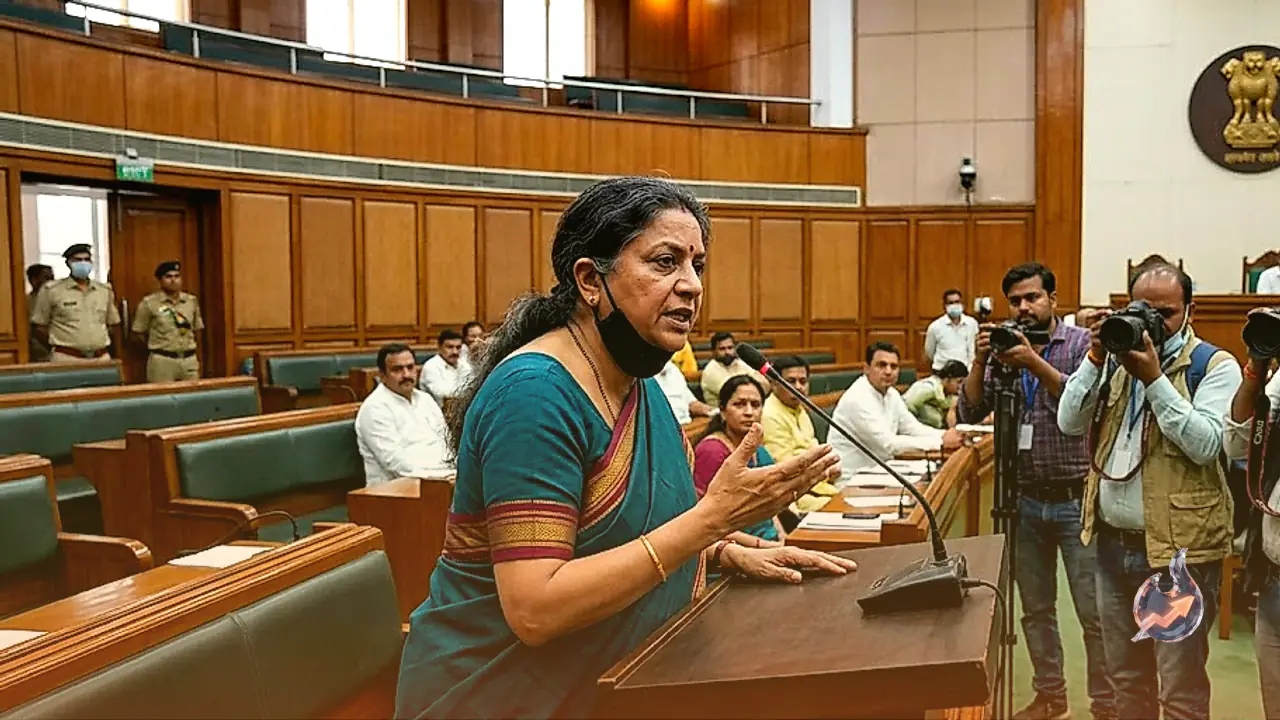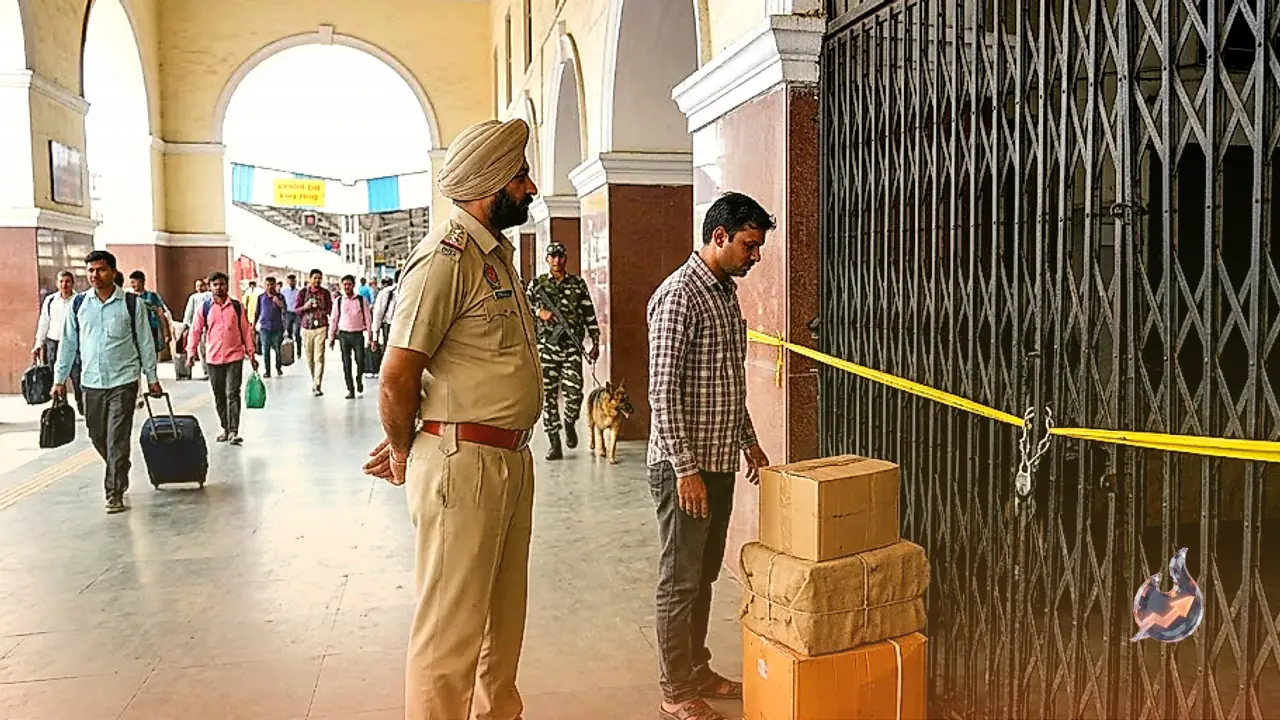





















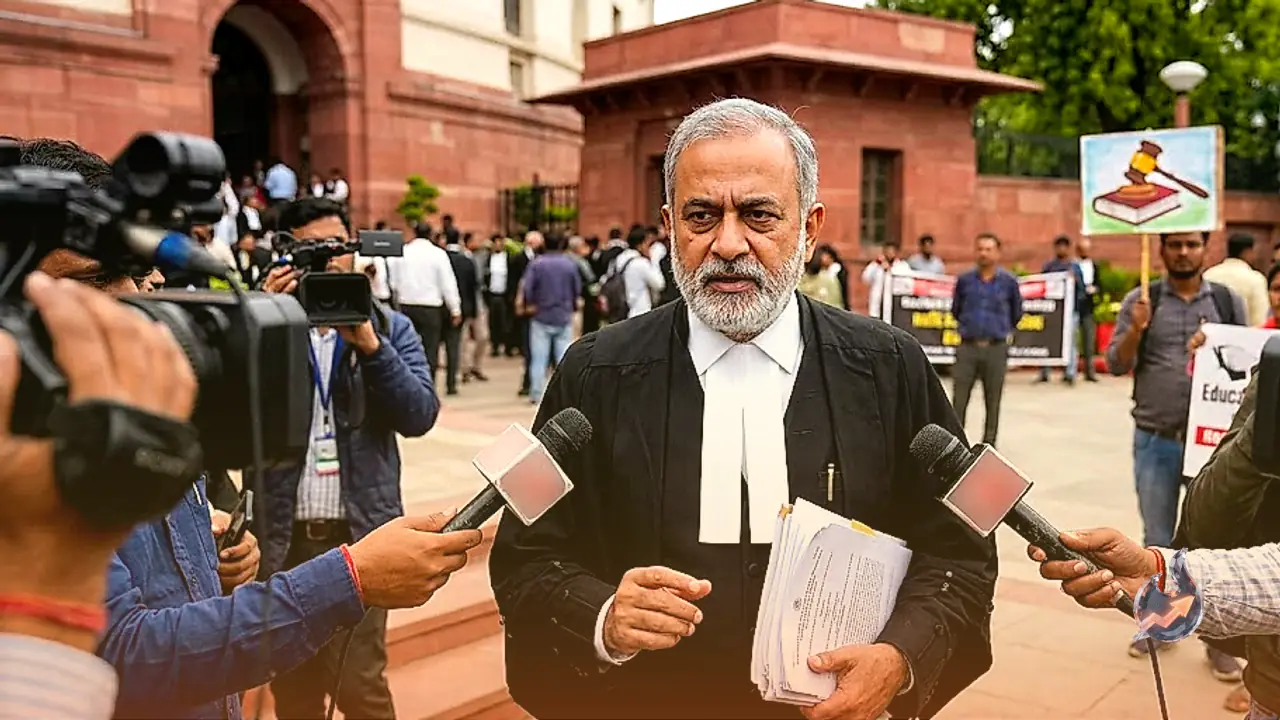

The Supreme Court has adopted a stern stance regarding the violent clashes that erupted during student protests at Jantar Mantar against the NEET paper leak. A bench headed by Chief Justice Surya Kant emphasized that any party taking the law into their own hands or exceeding their authority during the demonstrations must be held accountable through an impartial investigation. The top court further observed that allegations of excessive force by law enforcement officers deserve a thorough, transparent inquiry.
Parliament March Clashes and Pellet Gun Controversy
The controversy stems from a protest march organized toward Parliament on July 20 under the banner of CJP. Tensions flared when security forces intercepted the student demonstrators, leading to physical confrontations. Protesters alleged that police utilized brutal tactics, including the firing of pellet guns, to disperse the crowd. The incident drew sharp criticism from opposition political parties, eventually leading to multiple petitions being filed before the highest judicial body.
Strict Judicial Remarks on Breach of Law
Addressing the matter, Chief Justice Surya Kant emphasized the necessity of strictly enforcing legal boundaries. CJI Surya Kant remarked, "Whoever committed excess and took law into their hands, action should be taken against them." The bench added that if established administrative or crowd-control protocols were breached during the incident, the law must take its natural course without delay or bias.
Injury to 250 Police Personnel and Proposed SIT Probe
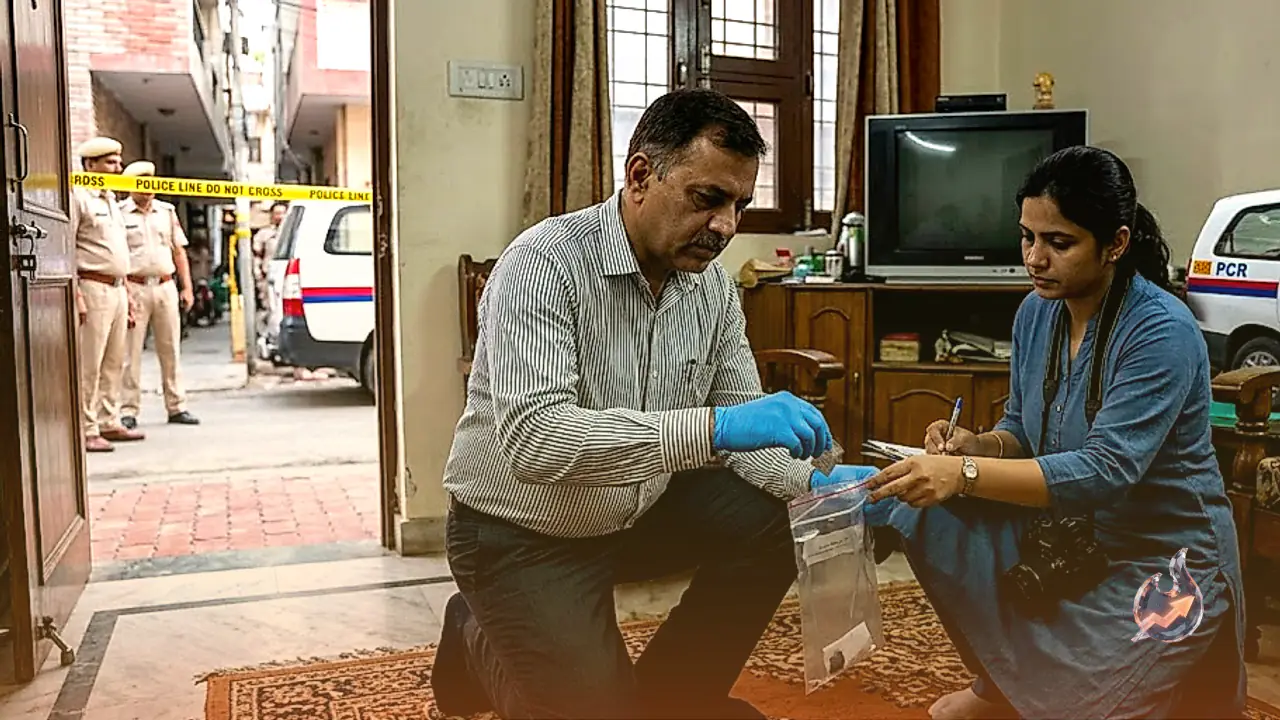
During the proceedings, the court highlighted that the confrontation resulted in injuries to approximately 250 police officers. Emphasizing the need for a comprehensive review, the bench noted that an independent inquiry must determine whether the violence against officers was initiated by student protesters or by external anti-social elements who infiltrated the gathering. To achieve complete clarity, the Supreme Court suggested establishing a Special Investigation Team (SIT) or an independent commission.
Establishing Protocols for Future Demonstrations
The top court indicated that a prima facie case exists for conducting a transparent inquiry into the entire event. However, the bench underscored that fixing individual accountability is only part of the goal. The primary objective of establishing such an inquiry panel would also involve formulating clear, standardized guidelines for managing public protests in the future, thereby preventing similar escalations between citizens and security forces.