






















A lunch bag is one of those everyday items that gets taken for granted. Whether it goes to the office, school, college, or on trips, it carries tiffin boxes, water bottles, fruit, and various food items almost every single day. That constant use takes a toll. Steam from warm food, tiny grease spots, minor leaks from curries or lentils, and trapped moisture gradually build up on the inside surfaces. The bag may look clean at a glance, but the corners, stitched seams, and insulated lining can harbor bacteria and odors that ordinary wiping never quite reaches. Left unaddressed, that familiar stale smell develops and food safety can be compromised.
The good news is that tackling this does not require expensive products. A handful of household methods, applied consistently, can restore your lunch bag to a near-new condition.
Method 1: Work an Old Toothbrush Into Corners and Seams
The trickiest spots in any lunch bag are the corners and stitched seams where food particles and grime collect in gaps that a cloth cannot reach. An old toothbrush dipped in mildly soapy water is the right tool for this. Work the bristles gently into every seam and corner, spending extra time on the spots most likely to collect food juice or water. This method dislodges trapped residue and brings down the bacterial load in areas that regular wiping misses entirely.
Method 2: Use an Enzyme Cleaner for Stubborn Food Stains
Stains from yogurt, milk, gravy, or vegetable dishes will not come out with plain water alone, and those leftover patches are usually the main source of persistent bad smells. A mild cleaning solution or an enzyme-based cleaner is the better choice here. Enzymes break down organic food matter at the source rather than simply masking it, which means the stain and its accompanying odor are removed together. After applying the cleaner, wipe the area thoroughly with a clean cloth to ensure no residue remains.
Method 3: Steam Clean for Bags That Cannot Be Machine Washed
Steam is an excellent option when you want to sanitize a lunch bag without soaking it through. Hot steam reduces many kinds of germs inside the bag and loosens stubborn grime without the risk of water damage to the materials. If you have a garment steamer at home, direct it carefully at the bag's interior. If not, hold the bag near the steam rising from a pot of hot water, taking care not to scald yourself. This technique is particularly suited to bags whose construction makes machine washing impractical.
Method 4: Draw Odors Out of the Insulated Lining
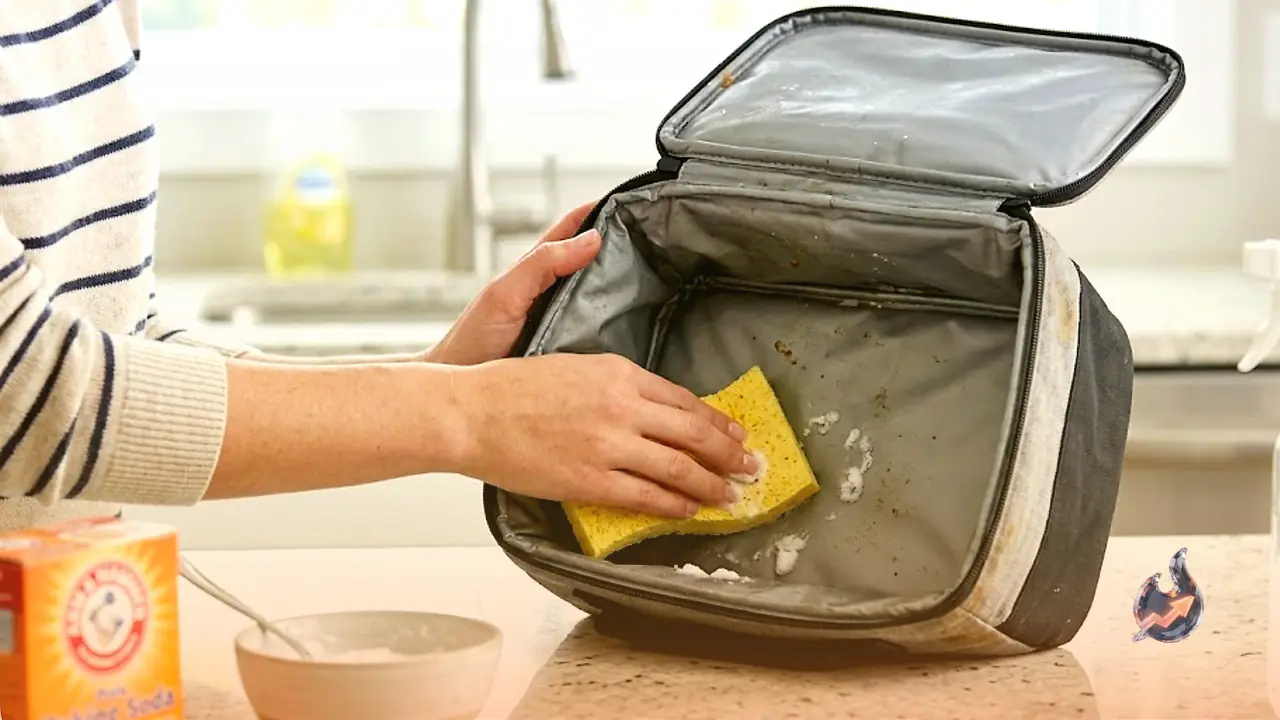
The insulated inner layer that keeps food hot or cold is also very effective at trapping food odors within its fibers. If your bag continues to smell even after a surface clean, place a small bowl of baking soda or activated charcoal inside it and leave it overnight. Both materials absorb odors naturally without any chemical sprays, pulling the smell out of the lining so the bag emerges fresh the next morning.
Method 5: Clean the Zip and Fasteners Too
The zip is consistently the most overlooked part of a lunch bag during cleaning, yet grease, dust, and food particles can accumulate in the teeth and cause the zip to stiffen or fail over time. Use a cotton bud or a soft cloth dampened with soapy water and run it carefully along the full length of the zip. Allow it to dry completely before closing. Finishing with a light application of petroleum jelly or a rub of candle wax along the teeth will keep the zip running smoothly and extend its working life considerably.
Method 6: Air Dry in Gentle Sunlight
After any cleaning session, place the bag in mild sunlight with good airflow for a period of time. This dries out residual moisture from the interior and helps reduce the microorganisms responsible for bad smells. One important point: do not leave the bag in intense direct sunlight for too long, as prolonged exposure to strong heat can fade the color of some bags. A short spell in gentle sun combined with a breeze is the simplest and most natural way to finish the cleaning process.
Daily Habits That Keep Your Lunch Bag Cleaner Between Washes
Cleaning works best when backed by consistent small habits. Always close your tiffin box lid tightly before placing it in the bag and check that your water bottle does not leak. Each evening, empty the bag completely and leave it open for a few minutes so air can circulate inside. This prevents moisture from building up between uses. With these simple practices in place, your lunch bag will stay cleaner for longer between deep cleans, remain hygienic day after day, and continue to do its job of keeping your food safe.