


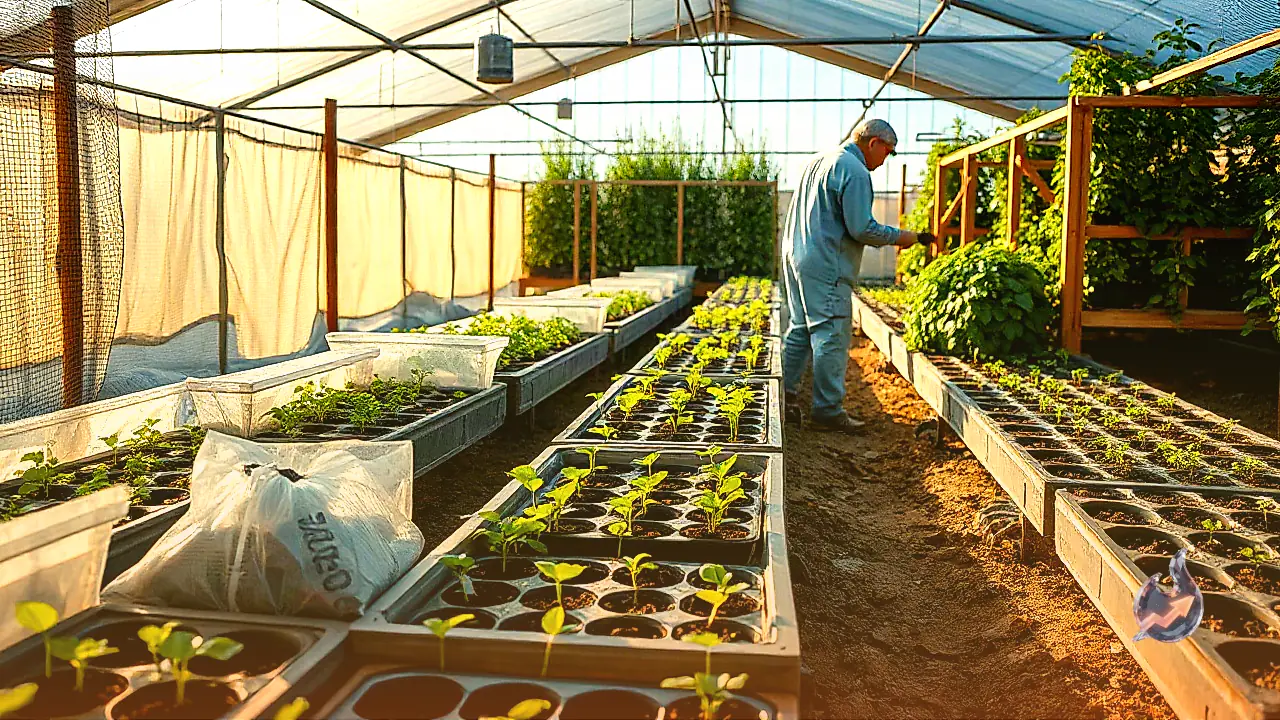


















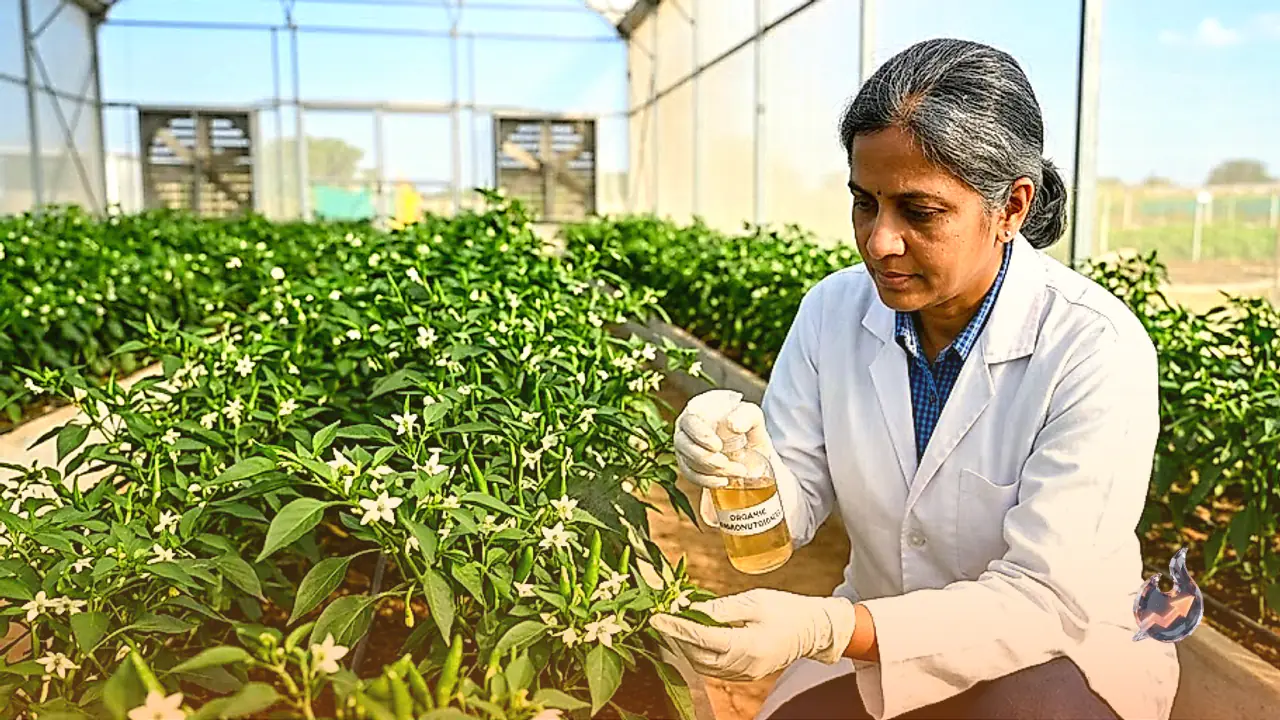

Cultivating green chillies, whether in commercial farmland or household containers, often presents a frustrating challenge when plants drop their blossoms prior to fruit formation. While plants may initially exhibit vibrant flowering, the sudden shedding of these blooms severely curtails overall yield. Agricultural experience demonstrates that this phenomenon stems primarily from a combination of nutritional imbalances in the soil, improper irrigation habits, inadequate sunlight exposure, and pest infestations. By identifying these underlying stressors and implementing targeted interventions, growers can prevent flower loss and substantially enhance both the size and weight of their harvest.
Why Chilli Plants Shed Flowers Before Fruiting
As green chilli plants transition from vegetative growth to the reproductive phase, their demand for essential nutrients spikes dramatically. If the soil lacks balanced levels of Nitrogen, Phosphorus, or Potash, the plant experiences systemic weakness. To conserve energy under nutritional stress, the plant aborts its newly formed blossoms. Concurrently, sap-sucking micro-pests such as thrips and aphids pose a major threat. These insects attack delicate floral buds and suck out vital cell sap, causing the flowers to desiccate and drop before fruit set can take place.
Optimizing Sunlight Exposure and Drainage Techniques
Abundant sunlight is a vital prerequisite for healthy chilli plant development. Green chilli crops require at least 6 to 8 hours of direct sunlight every day. Insufficient sunlight depresses the rate of photosynthesis, preventing the plant from producing adequate carbohydrates. Consequently, branches become thin and structural stability weakens, triggering premature flower shedding. Growers should select open sites that receive unobstructed sunlight and ensure good air circulation around the canopy to maintain optimal plant health.
Flaws in irrigation management represent another primary cause of flower abortion. Over-watering saturates the root zone, sealing topsoil pores and depriving the root system of essential oxygen. As roots suffocate and rot under excess moisture, the resulting plant stress leads directly to flower drop. Irrigation should strictly follow a moisture-based schedule, applying water only after the top layer of soil has dried out. Ensuring proper drainage in field beds and potted containers is critical to avoid waterlogging.
Key Nutrients to Boost Yield and Prevent Flower Drop
To halt flower drop and stimulate rapid fruit development, applying 13-0-45 Potassium Nitrate is highly effective. Formulated with a high concentration of potassium, this fertilizer directly enhances fruit size, weight, and overall quality. When buds and flowers begin to emerge, growers should dissolve 5 grams of 13-0-45 per liter of water and apply it as a foliar spray. This provides immediate nutritional support, stopping flower shedding and accelerating fruit growth.
In addition to primary nutrients, chilli plants rely heavily on essential micronutrients, including Zinc, Boron, Iron, and Magnesium. Boron deficiency is particularly detrimental, causing severe flower abortion and producing misshapen, crooked fruits. Spraying commercial multi-micronutrient formulations strengthens the plant's immune system. Applying micronutrients at least once a month boosts flower production and can potentially double overall crop yield.
Role of Plant Growth Regulators like Planofix
When flower drop persists despite optimizing sunlight, water, and nutrient levels, synthetic Plant Growth Regulators (PGR) provide an efficient solution. Products such as Planofix, which contains the active compound Alpha-Naphthyl Acetic Acid, work by securing the floral attachment to the stem. However, precise dosage control is essential when administering this regulator.
Planofix must be diluted at the strict ratio of 1 ml per 4.5 liters of water. Exceeding this recommended concentration can cause physiological damage to the crop. When sprayed at the correct time and dosage, Planofix effectively stabilizes blossoms and enhances successful fruit set.
Improving Soil Health with Organic Fertilizers
Alongside chemical inputs, incorporating organic soil amendments is essential for maintaining soil structure and biological activity. Applying well-rotted cow dung manure, vermicompost, or neem cake supplies plants with balanced natural nutrients. Organic matter fosters beneficial soil microorganisms and significantly improves the soil's moisture retention capacity.
Organic fertilizers should be incorporated into the soil during planting and reapplied at intervals of every 20 to 25 days throughout the growth cycle. Regular organic feeding ensures sustained plant vigor and long-term productivity.
Shielding Chilli Crops from Pests and Leaf Curl Virus
Protecting chilli plants from insect vectors is vital for preventing destructive diseases. Pests like whiteflies and thrips act as vectors for the Leaf Curl Virus, which causes leaves to curl inward, stunts plant growth, and halts fruit formation. Once infected, plants lose their ability to bear fruit.
To safeguard crops against vector pests, growers should apply an organic neem oil spray once every 15 days. Installing yellow sticky traps across the growing area offers an additional physical control method by catching whiteflies and thrips. Combining pest traps with regular pruning, timely fertilization, and disciplined watering guarantees a bumper harvest of green chillies.