























The onset of the monsoon season in Bhilwara and several other regions brings much-needed relief from the scorching summer heat, but it also triggers a sudden surge in household pest problems. Higher humidity levels combined with environmental dampness create an ideal breeding ground for mosquitoes, ants, houseflies, cockroaches, and various small insects. As these pests swarm into residential spaces, they make daily living uncomfortable and compromise hygiene by contaminating exposed food items and spreading infections. While commercial chemical sprays and repellents are widely available in the market, relying on them continuously can pose long-term respiratory and health risks for family members. Incorporating simple, natural, and traditional home remedies offers a safe and highly effective alternative to keep living spaces completely pest-free throughout the rainy season.
Maintaining Hygiene with Salt and Alum Floor Cleaning
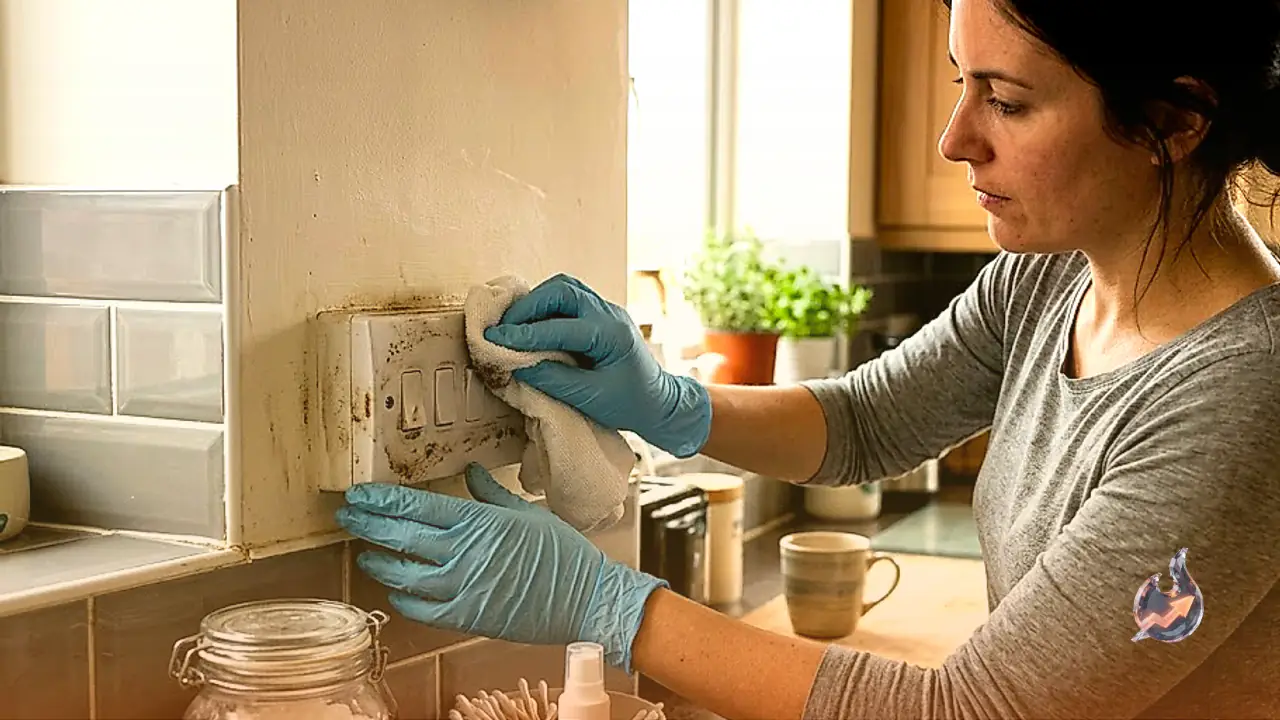
The primary defense against monsoon pest infestation begins with rigorous home cleanliness and moisture management. During the rains, water droplets and excess moisture tend to accumulate in dark corners, kitchens, and bathrooms, attracting crawling insects. A proven home remedy to mitigate this issue involves mopping floors with a mixture of salt and alum. By dissolving a small amount of common salt and powdered alum into the mopping water at least twice a week, homeowners can effectively sanitize floor surfaces and deter small crawling insects and microbes from settling in.
In addition to floor sanitation, placing fresh neem leaves near entrance doors and window sills serves as an organic barrier against incoming bugs. Neem possesses potent natural antibacterial and insect-repellent properties, making its scent unappealing to pests. Maintaining kitchen hygiene is equally critical. Prepared food should never be left uncovered, and kitchen waste bins must be emptied and sanitized daily, as wet garbage remains the single largest trigger for attracting flies and cockroaches into the home.
Natural Strategies for Mosquito Control and Prevention
Stagnant water accumulations during the monsoon season spark a sharp rise in mosquito populations. To guard against mosquito bites without resorting to synthetic chemical coils, traditional methods prove exceptionally reliable. Mixing neem oil with a small quantity of coconut oil and applying it to exposed skin creates a protective shield against mosquito bites without causing adverse skin reactions.
During evening hours when mosquito activity peaks, burning dry neem leaves or carom seeds to release aromatic smoke is an age-old rural practice that swiftly clears rooms of flying insects. The natural fumes contain active compounds that disorient and repel mosquitoes. Concurrently, preventing water logging in flower pots, cooler trays, and surrounding grounds deprives mosquitoes of breeding sites in both clean and dirty water. Planting a holy basil or tulsi plant near entryways or balconies further aids in keeping mosquitoes at bay, thanks to the natural aromatic compounds emitted by its leaves.
Eradicating Cockroaches and Ants Using Kitchen Ingredients
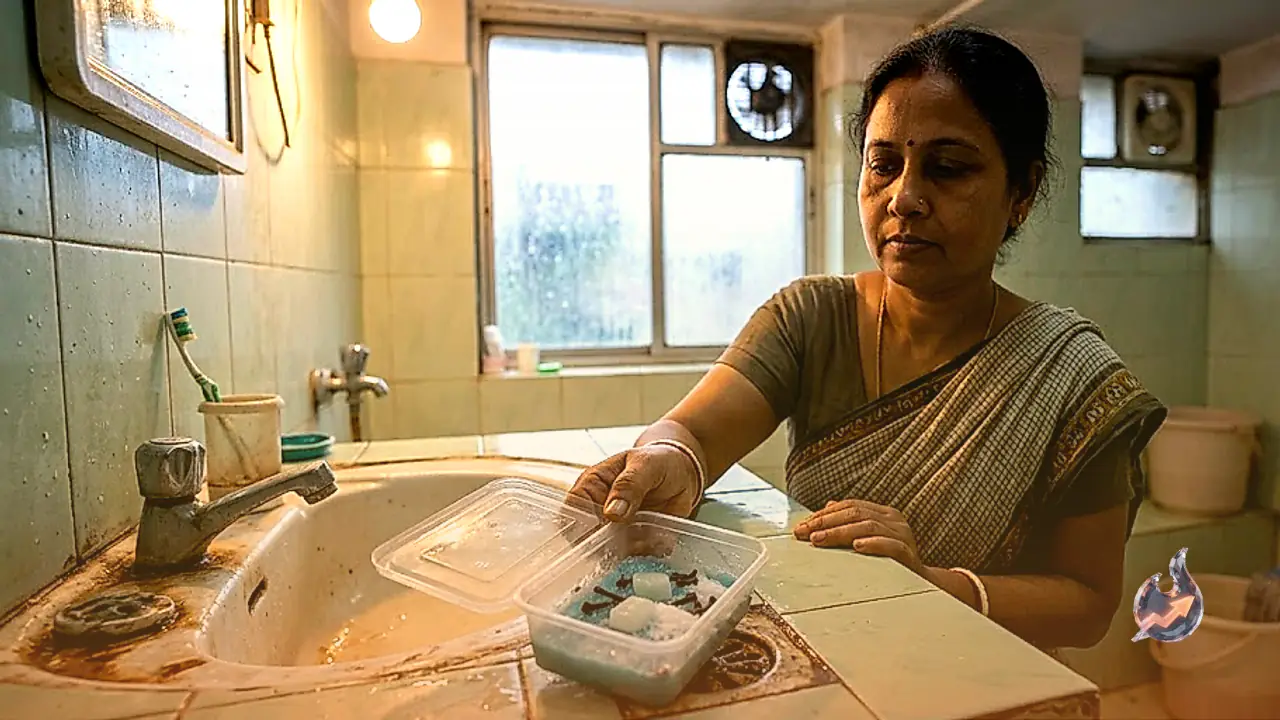
Kitchen cabinets and storage areas often become hotspot zones for cockroaches and ant trails during damp weather. Common kitchen spices such as bay leaves, cloves, and camphor provide a powerful herbal solution. The intense aroma of bay leaves combined with the sharp fragrance of camphor creates an inhospitable environment for cockroaches. Placing bay leaf fragments or camphor balls inside kitchen shelves, under sinks, and near storage units discourages cockroach movement significantly.
For ant management, sprinkling turmeric powder or common salt directly along their entry routes and movement lines acts as an immediate deterrent. Turmeric contains natural properties that disrupt ant pheromone trails, prompting them to retreat. Additionally, scattering fresh lemon peels around window frames and door edges utilizes citrus oils to repel a wide variety of crawling and flying bugs naturally.
Eliminating Breeding Grounds and Adopting Preventive Habits
Ensuring long-term pest protection throughout the rainy season requires addressing the root causes of insect multiplication rather than just managing adult bugs. Clearing overgrown wild vegetation, removing wet trash heaps, and discarding unused water-retaining vessels around the property eliminate primary outdoor breeding sites. Regular cleaning and flushing of drainage channels around the house prevent houseflies and mosquitoes from laying eggs.
Installing fine wire mesh screens on windows prevents nocturnal insects from entering when indoor lights are on. Furthermore, sleeping under mosquito nets provides absolute physical protection against vector-borne bites during the night. Adopting these low-cost, natural habits systematically enables households to enjoy a clean, healthy, and insect-free home environment without incurring heavy expenses or exposing family members to harmful chemicals.