






















With the arrival of the monsoon season, enthusiasm for planting trees and home greenery reaches its peak in Bhilwara, Rajasthan, and surrounding regions. Residents actively decorate rooftops, balconies, and home gardens with diverse plant varieties while frequently turning to commercial stores for expensive fertilizers to boost plant growth. Concurrently, banana consumption witnesses a significant surge during this weather. Most households routinely throw away banana peels into garbage bins after consuming the fruit. However, gardening experts highlight that this common kitchen waste acts as a potent natural tonic for plants. Utilizing these peels effectively can drastically reduce reliance on costly chemical fertilizers while allowing home plants to flourish organically.
Key Nutrients in Banana Peels and Their Benefits
Banana peels serve as an exceptional source of natural organic fertilizer because they are packed with essential primary and secondary nutrients, including potassium, phosphorus, calcium, and magnesium. Each of these elements plays a distinct and vital role in a plant's growth cycle and physiological health. Potassium, in particular, aids in fortifying root systems deep within the soil. Furthermore, it accelerates the flowering and fruiting process while significantly enhancing the natural disease resistance of plants against common garden pests and infections.
Meanwhile, phosphorus and magnesium work together to keep foliage vibrant, green, and healthy while ensuring smooth photosynthesis. Consequently, home gardening enthusiasts are increasingly favoring homemade organic solutions over synthetic chemical fertilizers and branded nutrient bottles. This sustainable practice not only protects the environment but also provides balanced, toxin-free nourishment directly to plant roots.
Step-by-Step Guide to Preparing Organic Liquid Fertilizer
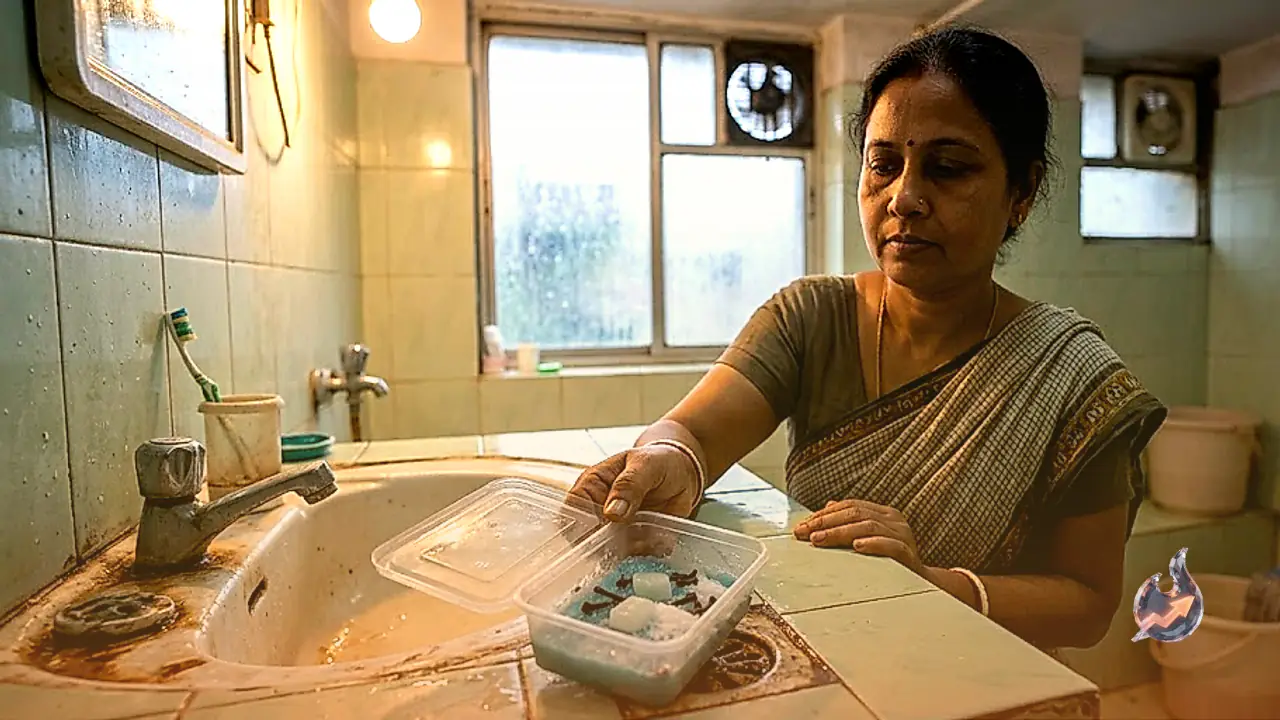
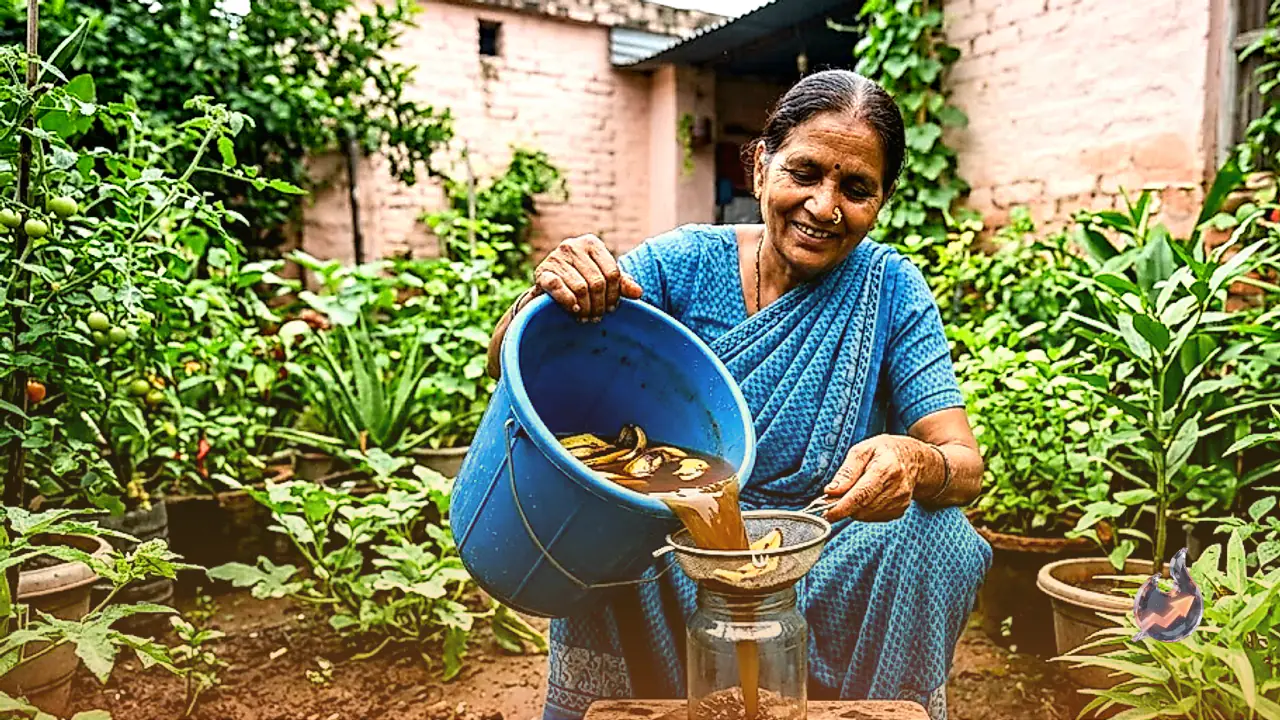
Creating liquid organic fertilizer from discarded banana peels at home is a straightforward process requiring no specialized equipment. To begin, collect 3 to 4 banana peels and chop them into small, uniform pieces using a knife. Next, place these sliced pieces into a clean plastic or glass container, avoiding metallic vessels that might react with the mixture. Pour approximately 1 to 1.5 liters of clean water over the peels. Securely cover the container with a lid or cloth and store it in a cool, well-ventilated, shady spot away from direct sunlight for 3 to 5 days.
During this 3 to 5 day soaking period, essential soluble nutrients such as potassium, phosphorus, and magnesium slowly leach from the peels into the water, gradually altering its color. Once the timeframe elapses, strain the liquid through a mesh sieve to separate the spent peels. Rather than applying this concentrated liquid fertilizer directly to plants, dilute it with an equal volume of regular fresh water in a 1:1 ratio. Dilution prevents root shock from concentrated nutrients, ensuring that plants receive a well-balanced and easily digestible nutrient feed.
Proper Application Method and Crucial Precautions
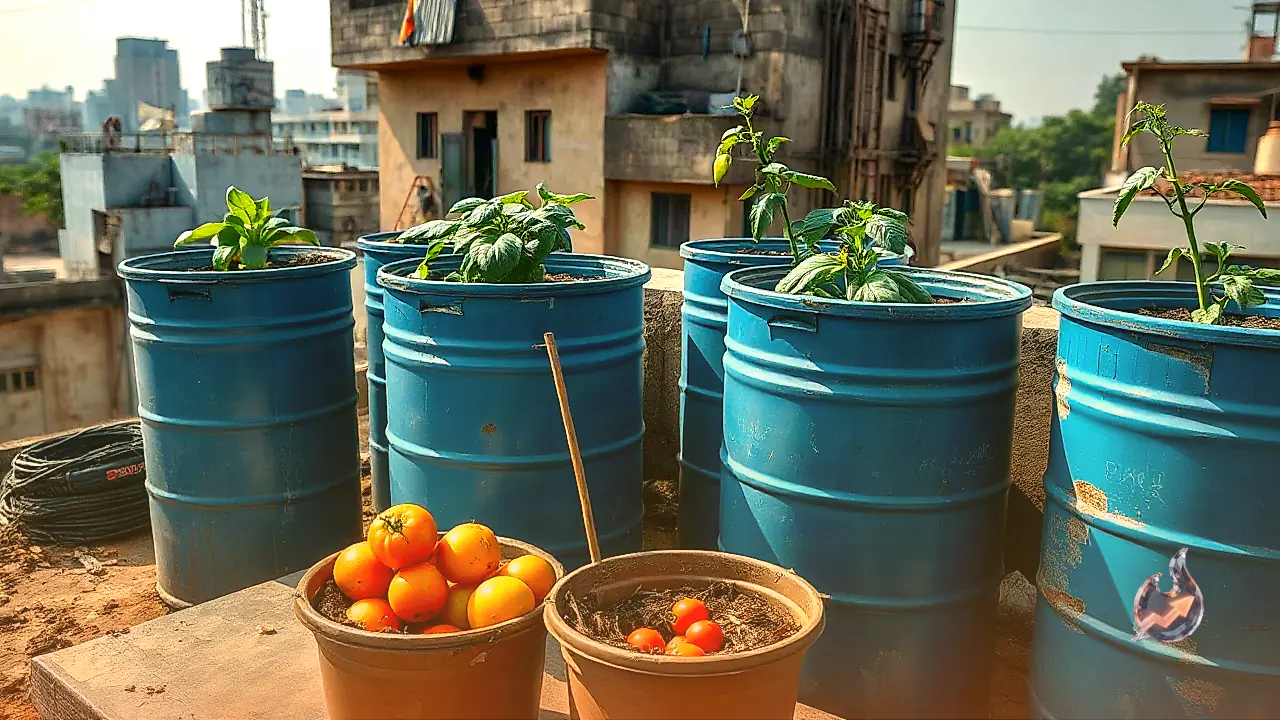
Applying this homemade liquid fertilizer once a week near the plant roots provides optimal nutrition. Gardeners should pour the liquid directly into the soil surrounding the base rather than spraying it onto leaves or stems, as root absorption is far more effective. This natural liquid formula yields remarkable results when applied to flowering, fruiting, and decorative plants such as rose, hibiscus, money plant, tomato, chilli, and brinjal. Regular application encourages larger blooms in roses and hibiscus while improving crop yields in vegetable plants like tomatoes and brinjals.
However, moderation remains vital in any fertilization routine. If the potting soil is already excessively wet or waterlogged, hold off on applying the liquid fertilizer until the topsoil dries out slightly. Over-watering combined with excess fertilizer can lead to root rot and fungal issues. Maintaining a proper balance of moisture, timing, and dosage is essential for sustained plant health.
Environmental Advantages and the Rise of Organic Gardening
Repurposing banana peels into organic plant food delivers financial savings while promoting a zero-waste household culture. Transforming daily kitchen waste into valuable garden inputs simplifies household waste management and eliminates the recurring expense of buying commercial chemical fertilizers. Organic gardening is gaining rapid momentum across Bhilwara and urban centers as plant owners become increasingly aware of long-term soil degradation caused by chemical inputs. Natural remedies enhance soil structure, microbial activity, and moisture retention over extended periods.
Organic fertilizers release nutrients gradually, requiring patience and consistent care rather than expecting immediate dramatic results. When plants receive adequate sunlight, appropriate watering, and periodic natural feeds, they remain robust and productive for years. The next time bananas are consumed at home, saving the peels for garden plants offers a simple yet impactful way to nurture home greenery naturally.