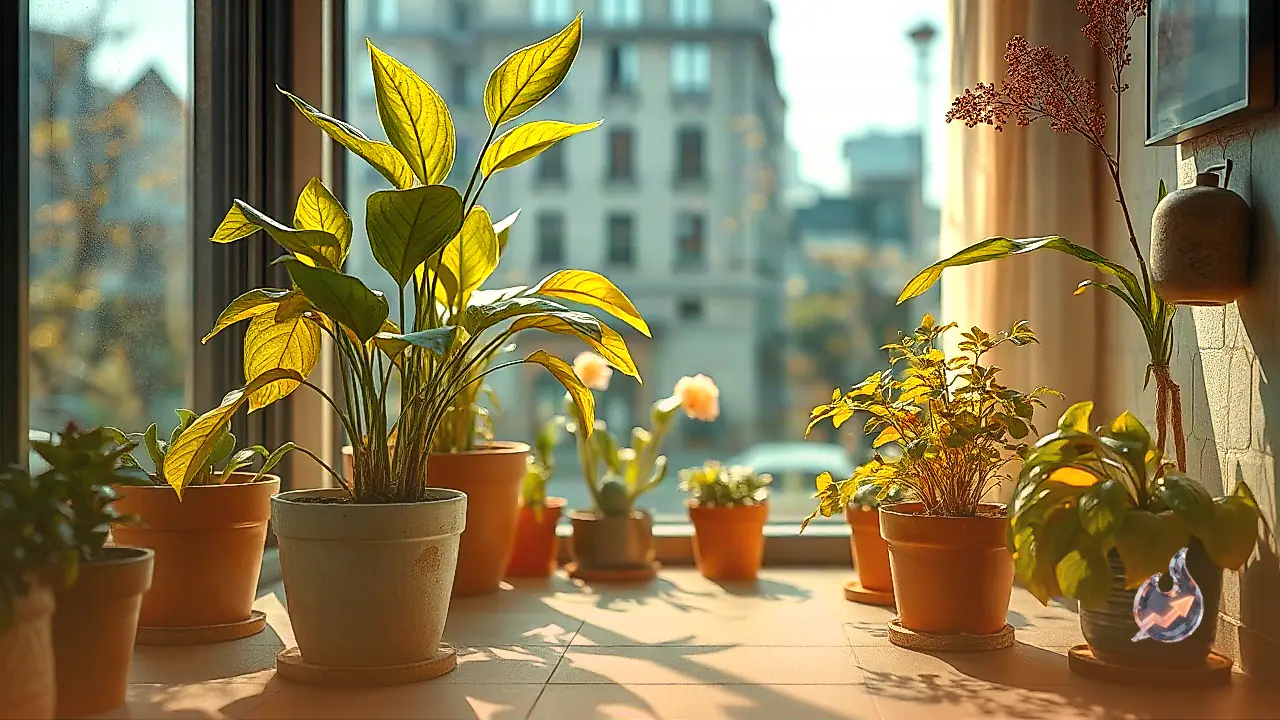
























Maintaining potted plants on open terraces, balconies, or courtyards becomes a challenging task during the monsoon season. Continuous heavy downpours often lead to standing water inside containers, keeping the potting soil excessively wet for prolonged durations. When water sits in containers without escaping, it blocks air circulation and prevents oxygen from reaching the plant roots. Over time, this stagnant moisture causes root decay, turns lush leaves yellow, and leads to the sudden collapse of healthy plants. Gardening enthusiasts in regions like Bhilwara can protect their greenery by implementing a simple, low-cost soil modification before heavy rains set in.
Why Proper Soil Aeration and Water Drainage Are Essential
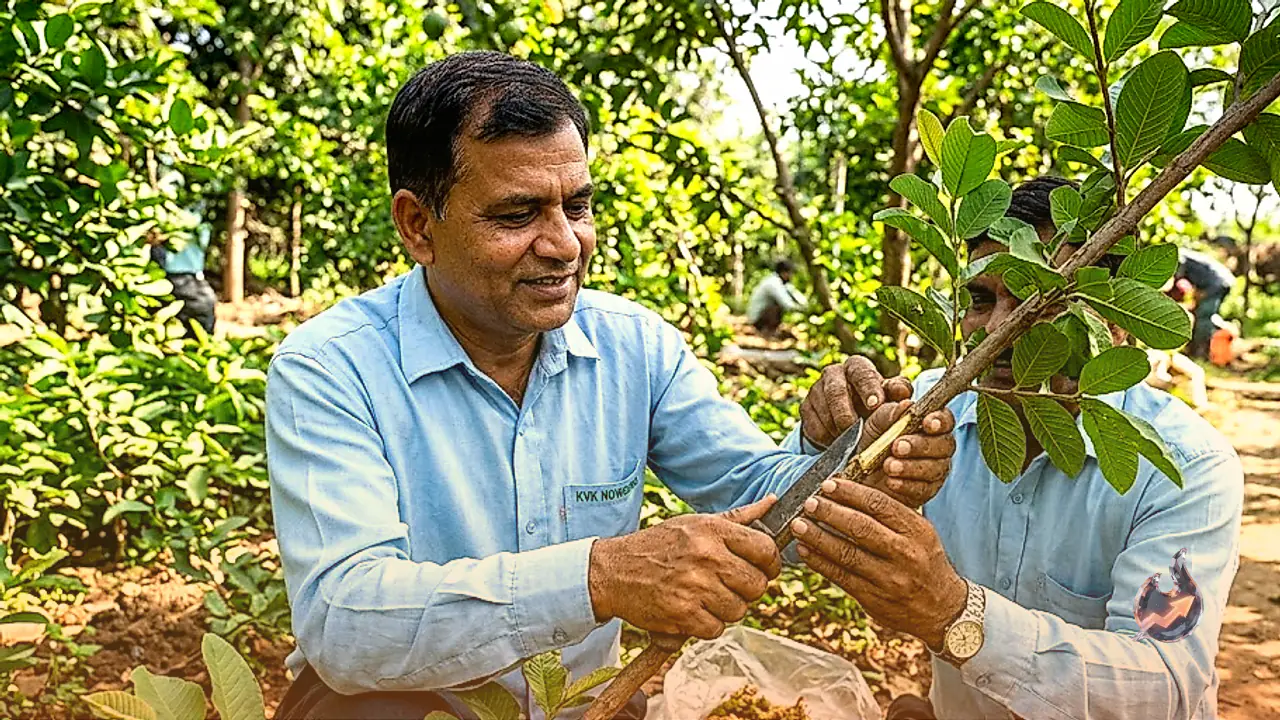
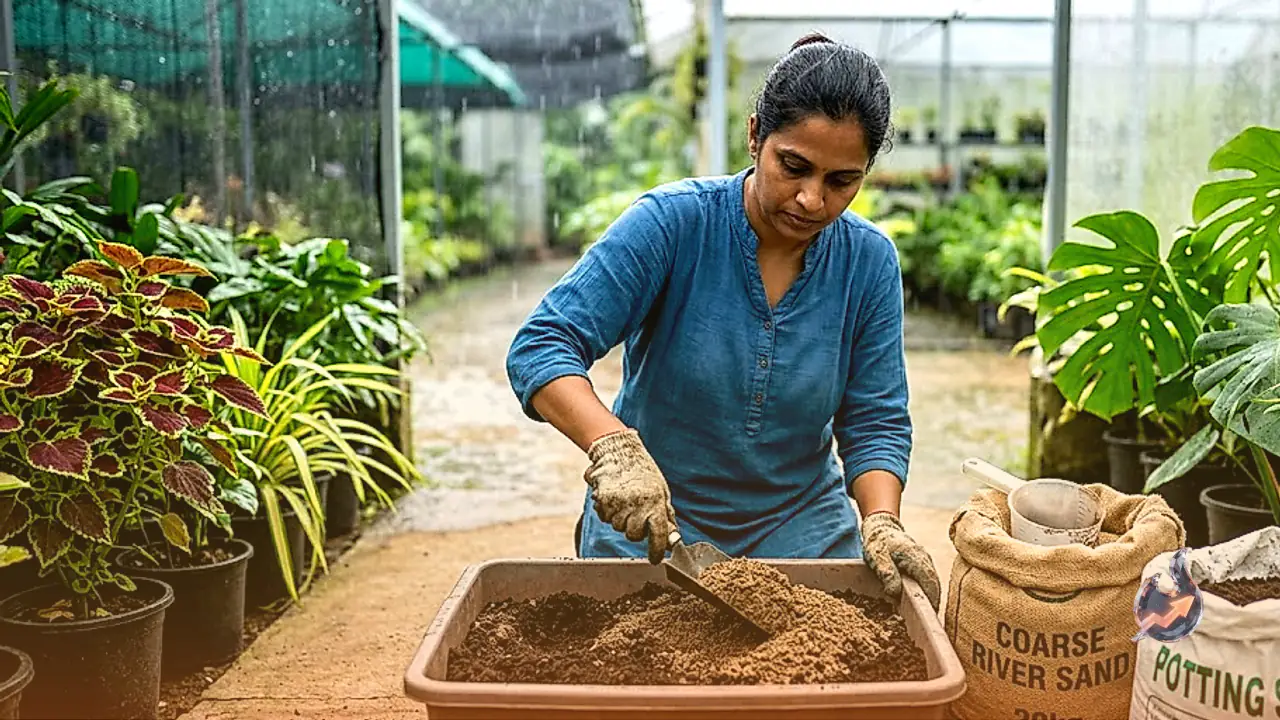
Many home gardeners fill their pots using only heavy garden soil or dense black clay. While this type of soil works well during dry periods, it retains far too much water during the rainy season. To resolve this issue, experts recommend blending approximately 20 to 30 percent coarse river sand or gravel into the potting mixture. Adding gravel transforms the dense earth into a lightweight, porous structure. This allows excess rainwater to drain out rapidly while keeping the soil loose enough for oxygen to circulate freely around the root system, ensuring sustained plant health.
Crucial Guidelines for Sand Selection and Manure Blending
When incorporating sand into potting soil, specific precautions must be followed to achieve the best results. Always select clean, coarse river sand rather than ultra-fine or muddy sand. Very fine sand can compact the soil into a hard layer, defeating the purpose of drainage. Additionally, combine well-rotted cow dung manure or organic compost alongside the coarse sand when preparing the mix. Since gravel increases drainage speed, organic manure prevents essential nutrients from being washed away. Gardeners must also ensure that the drainage hole at the base of each container remains completely clear, as a blocked hole will cause waterlogging despite the sand mixture.
Suitable for Decorative Plants and Kitchen Garden Crops
This traditional soil amendment works effectively for a wide variety of potted plants. It provides excellent protection for ornamental and flowering species such as rose, marigold, hibiscus, jasmine, holy basil (tulsi), aloe vera, snake plant, and money plant. Furthermore, it is equally beneficial for home vegetable gardens growing crops like tomatoes, green chillies, coriander, fenugreek, and spinach. Using sandy soil significantly reduces the risk of fungal infections and root rot, allowing both flowering plants and edible crops to thrive throughout the rainy months.
Additional Plant Care Strategies During the Rainy Season
Along with modifying the soil texture, regular maintenance is vital for plant survival during heavy rainfall. Gardeners should avoid manual watering when natural rain provides sufficient moisture. Pots should be positioned away from areas where roof drainage directly hits the containers or where standing water collects. Regularly pruning dry, yellowing, or decaying leaves helps prevent the spread of fungal diseases. Gently loosening the topsoil periodically further enhances air penetration to the roots. By following these straightforward care routines, plant lovers can keep their gardens vibrant and healthy without spending extra money.