
























A 31-year-old Master of Science (MSc) Physics student at the Indian Institute of Technology (IIT) Delhi tragically died after falling from a lecture building on campus, prompting Delhi Police to register a formal criminal case charging unknown individuals with abetment to suicide. The developing situation has sent shockwaves through the premier engineering institution, triggering widespread student demonstrations, total suspension of academic instruction, and immediate administrative intervention aimed at restructuring campus support frameworks.
Sequence of Events and Forensic Investigation
The tragedy unfolded during the early hours of August 22 when the student arrived at the institution. Police officials reviewing physical evidence established that the student entered the main gates of the IIT Delhi campus at approximately 8:00 AM. Walking across the academic block, he proceeded directly toward the Lecture Hall Complex. Upon entering the building, he used the elevator to ascend to the sixth floor. Moments later, he jumped from the front-facing section of the upper level of the complex.
Campus emergency responders and security personnel rushed to the scene immediately after the impact and transported the victim to a nearby medical facility. However, attending physicians declared him dead upon arrival due to the severity of his injuries. Investigating officers from Delhi Police reached the location shortly thereafter to inspect the scene. While preliminary searches yielded no suicide note, law enforcement officials recovered a mobile phone from the student's pocket. The device was confiscated and dispatched for forensic analysis to extract call records, digital messages, and recent communication patterns. Investigators are currently conducting interviews with campus acquaintances, peers, and faculty members to construct a comprehensive timeline of the victim's final hours and identify any external pressures or interactions that may have contributed to the decision.
Campus Shutdown and Student Protests Over Systemic Lapses
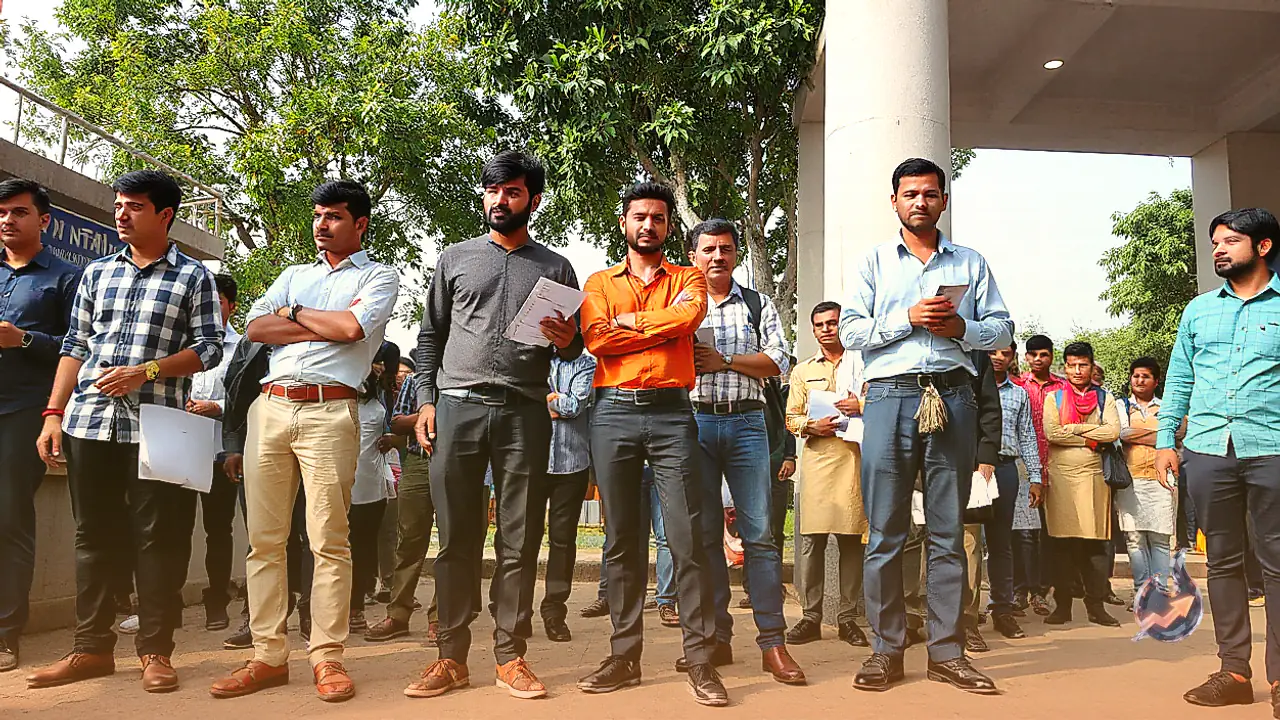
Tensions escalated across the campus on Monday as student groups organized demonstrations, resulting in the complete suspension of all scheduled academic lectures and laboratory sessions. Protesting students gathered to express deep grief and voice severe dissatisfaction with what they characterized as persistent administrative negligence and institutional oversights surrounding student welfare.
Demonstrators demanded an independent, uncompromised inquiry into the specific circumstances of the student's death and insisted on strict personal accountability for designated university officials responsible for student support services. Beyond the immediate incident, student representatives highlighted broader, systemic grievances within the university infrastructure. Key demands focused on examining long-standing hurdles, including delays and inequities in academic project allotments, persistent housing and accommodation shortages, under-resourced mental health services, and a perceived lack of operational transparency in established campus crisis intervention protocols.
IIT Delhi Proposes External Committee and Ombudsman Panel
In response to the growing unrest and institutional crisis, the administration of IIT Delhi announced a series of structural measures intended to ensure transparency and reform. The institute formally instituted an independent external investigation committee tasked with conducting an exhaustive review of the tragedy. University authorities affirmed that this external body will operate with full operational autonomy, empowered to scrutinize all relevant records, interview personnel, and formulate binding recommendations to fortify the institution's existing student assistance mechanisms.
Furthermore, IIT Delhi committed to appointing an independent external ombudsman to provide students with an impartial channel for reporting grievances, administrative delays, and personal distress without fear of reprisal. The administration extended an open invitation to the broader student body, urging students to submit constructive feedback, personal concerns, and policy suggestions. Institutional leaders emphasized that these measures are intended to continuously evaluate internal protocols, eliminate systemic flaws, and cultivate a safer, more empathetic, and collaborative academic environment for all campus residents.