






















Transporting fresh milk from rural collection centers to distant dairy processing plants has long posed a severe logistical challenge for local milk producers. Exposure to ambient heat during lengthy transit hours frequently causes milk temperatures to climb, degrading product quality and accelerating curdling. When shipments fail standard laboratory testing at collection docks, processing companies reject the entire consignment, leaving producers with complete financial losses. Seeking a practical remedy for this recurring problem, engineering students from Government Engineering College, Jehanabad have engineered a specialized milk chilling container that maintains low temperatures without requiring electrical power.
Origin of the Project at Smart India Hackathon
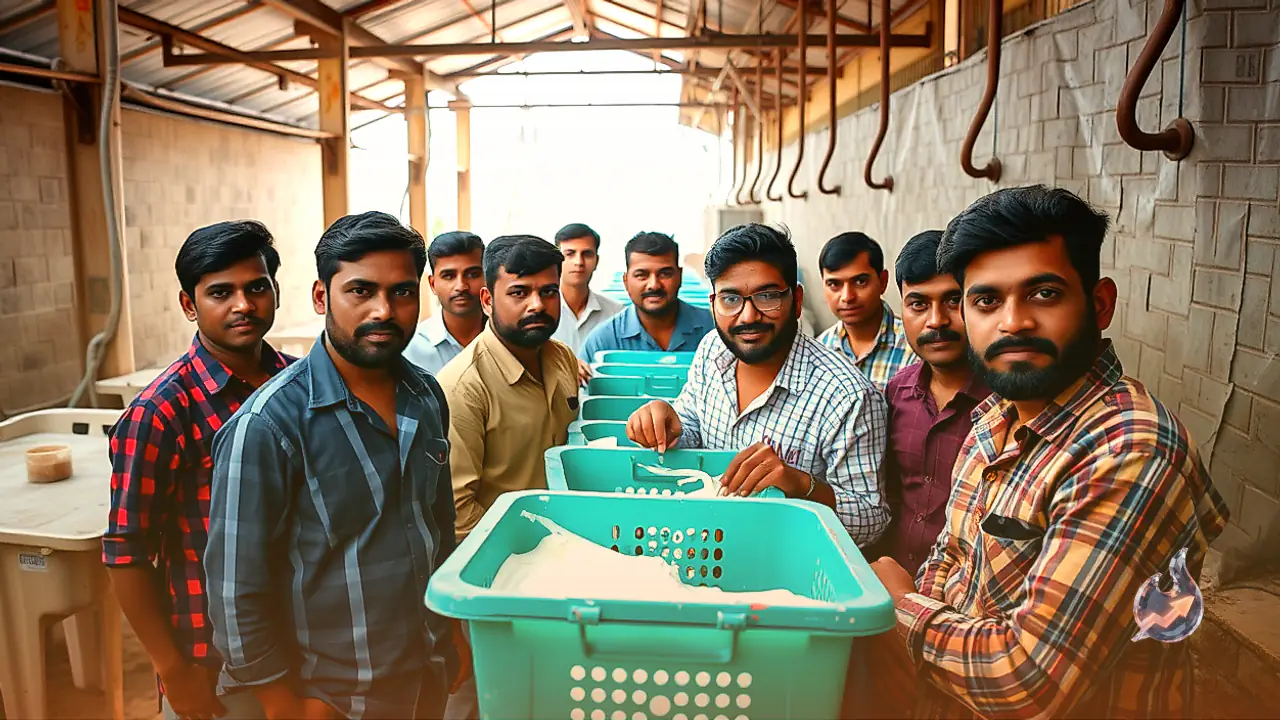
The operational model was created by engineering students Hrithik Raj, Satyam Kumar, and their teammates. The concept took shape during their participation in the Smart India Hackathon, where the group observed the real-world operational bottlenecks faced by dairy suppliers. In conventional metal cans, transit delays continuously elevate internal temperatures, leaving raw milk vulnerable to bacterial growth and quality degradation before reaching commercial collection facilities. Motivated by these field realities, the student team designed an insulated container capable of preserving a chilled interior throughout transit.
Engineering Behind Dairy Tech and PCM Integration
Christened 'Dairy Tech' by its developers, the project focuses strictly on passive, off-grid cooling. Student Satyam Kumar explained that the can is structured to operate completely independent of grid electricity or active generators. The cooling mechanism relies on Phase Change Material (PCM) technology. This thermal material absorbs ambient heat and stabilizes the internal atmosphere of the can, ensuring that liquid milk stays chilled across long journeys. By preventing thermal spikes, the system allows rural suppliers to reach industrial buyers without risking transit-induced souring.
Cost Analysis Against Traditional Containers
According to estimates shared by the student innovators, conventional milk cans widely sold in commercial markets retail for approximately ₹8,000. However, those standard cans offer no temperature-control mechanisms or insulation against exterior heat. The student team aims to deliver their specialized, temperature-preserving chilling can at an estimated price point of around ₹12,000. The creators emphasize that the marginal cost variance is offset by protecting daily consignments from outright spoilage and commercial rejection.
Significance for Rural Dairy Supply Chains
The primary function of this engineering design is reducing post-harvest dairy waste across the rural transport corridor. Smallholders and local aggregators who pool milk from remote villages to deliver to distant commercial plants stand to benefit most from this development. By ensuring that milk containers remain cold without electrical power supplies during bumpy, time-consuming transit, the invention addresses a critical weak link in rural logistics and protects farming incomes from unnecessary transit losses.