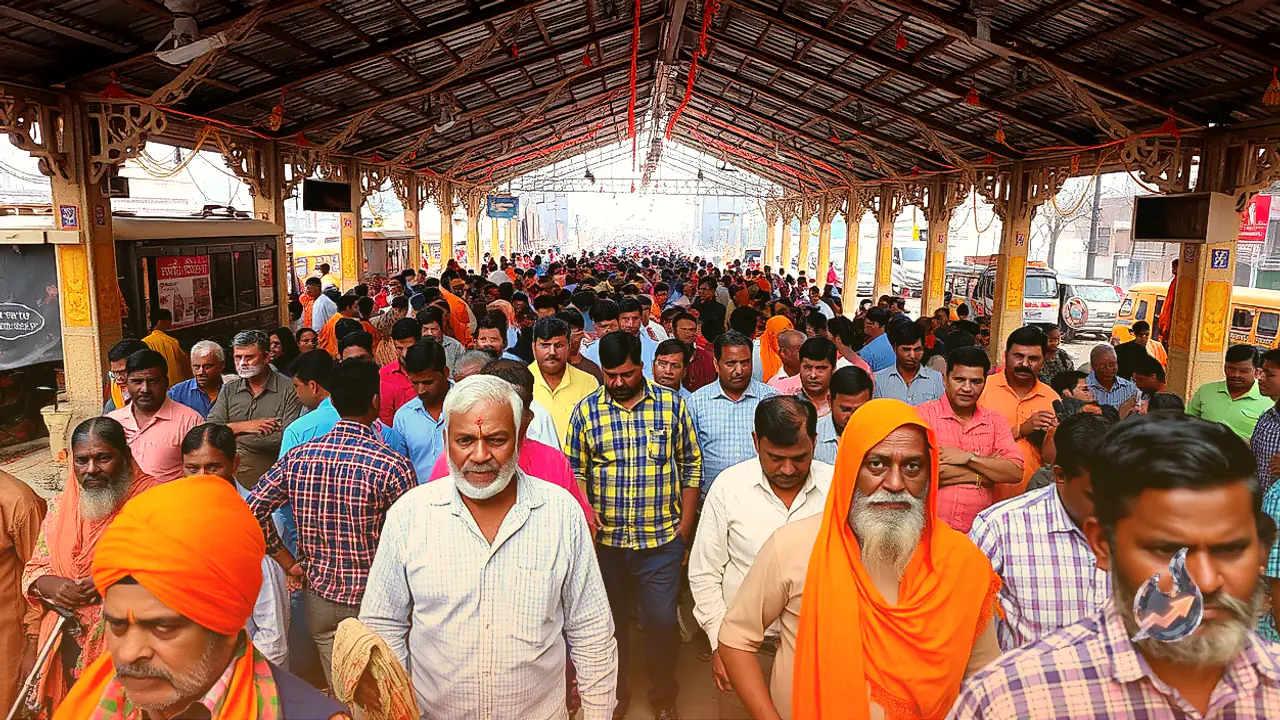


















The Union Public Service Commission civil services examination stands among the most rigorous recruitment tests, drawing lakhs of hopeful candidates every single year. Many young aspirants decide to start their journey right from the initial year of graduation, yet a large number lose momentum early simply due to the absence of clear guidance. Beginners frequently rush to purchase heavy reference books without first identifying what needs to be studied and what should be set aside. Building a career in the administrative or police services demands patience, deep analytical ability, and steady consistency rather than overnight effort or aimless book collecting.
Mastering the Exam Syllabus and Reviewing Previous Papers
The foremost task for anyone starting from scratch is developing an intimate familiarity with the official syllabus. Jumping directly into thick volumes of history or geography without reviewing the syllabus often leads to wasted time and unnecessary confusion. Candidates should secure printed copies of the complete preliminary and mains syllabi to keep directly on their study desks. Alongside the syllabus, examining question papers from the past five years provides direct insight into what the commission expects. Reviewing these papers clarifies the nature of questions being asked and highlights the core themes candidates must emphasize during daily study sessions.
Building Core Concepts Through NCERT Textbooks
When basic concepts remain shaky or previous schooling has been standard, school textbooks from classes 6 to 12 published by NCERT serve as an essential starting point. Aspirants should approach these foundational texts not as material to memorize, but as structured narratives designed to build clarity. Reading through geography, history, polity, and economics in this manner establishes conceptual fundamentals. Once these core ideas are completely understood, stepping up to standard and advanced reference materials becomes far smoother and significantly more productive.
Daily Newspaper Reading and Current Affairs Tracking
Civil services questions rarely emerge solely from static text, as the examination continuously connects academic subjects with contemporary national and international developments. Cultivating the habit of reading a reputable national daily in Hindi or English, such as The Hindu, from the very first day of preparation is therefore indispensable. While reviewing the daily paper, candidates must consciously connect news reports to relevant sections of their syllabus rather than treating them as casual updates. Consolidating these developments at the end of each month using a quality current affairs magazine ensures solid retention and organized revision.
Cultivating Note-Making and Regular Answer Writing
Merely absorbing text without summarizing key takeaways into personal notes remains a frequent misstep among beginners. Aspirants should summarize every completed topic into clear, concise notes written in their own words. Eventual success in the examination hinges on an individual's ability to communicate knowledge clearly within strict word limits rather than the sheer volume of material read. Even if initial drafts seem imperfect, dedicating time to answer writing practice at least two to three days a week builds the discipline and analytical expression needed for the mains examination.