
















Renowned actor Amitabh Bachchan has entertained multiple generations of film enthusiasts, yet his influence extends well beyond the cinematic screen. Born in Allahabad on October 11, 1942, to distinguished Hindi literary figure Harivansh Rai Bachchan, he climbed to the pinnacle of Hindi cinema before venturing into national politics. Despite his unmatched cinematic triumph, his tenure in public office followed an entirely different trajectory.
Entering Parliament On A Personal Bond
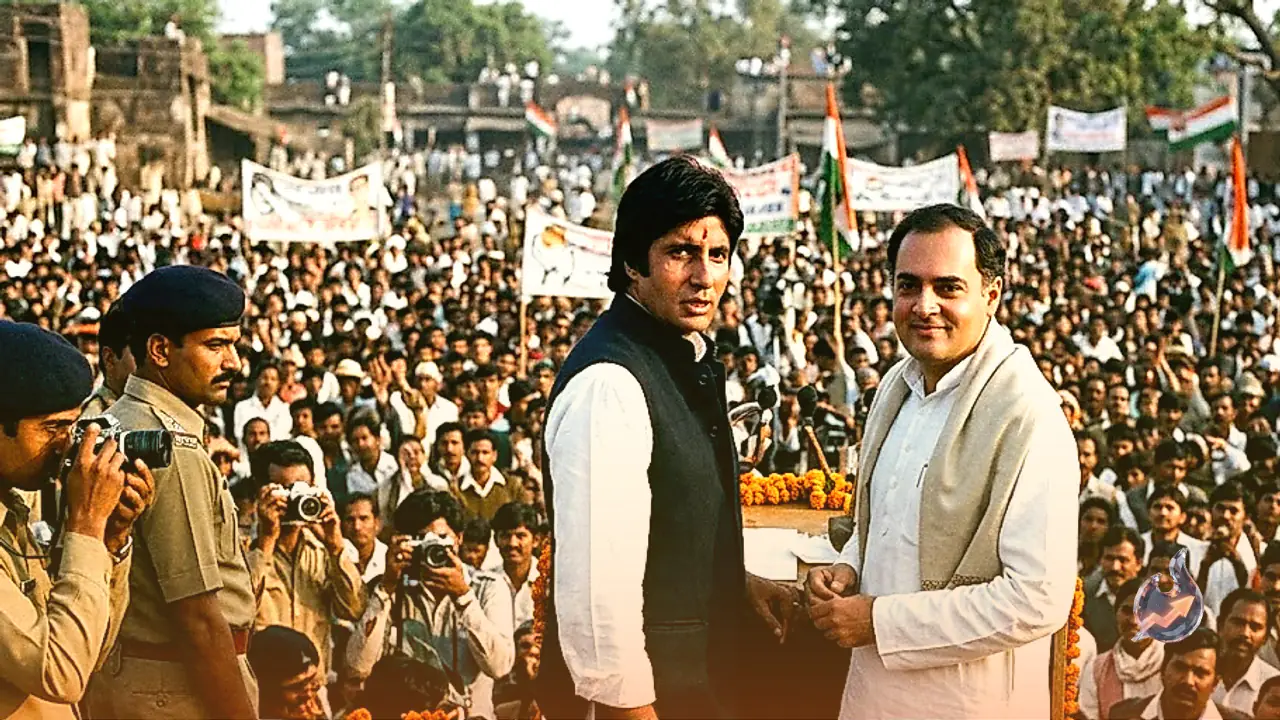
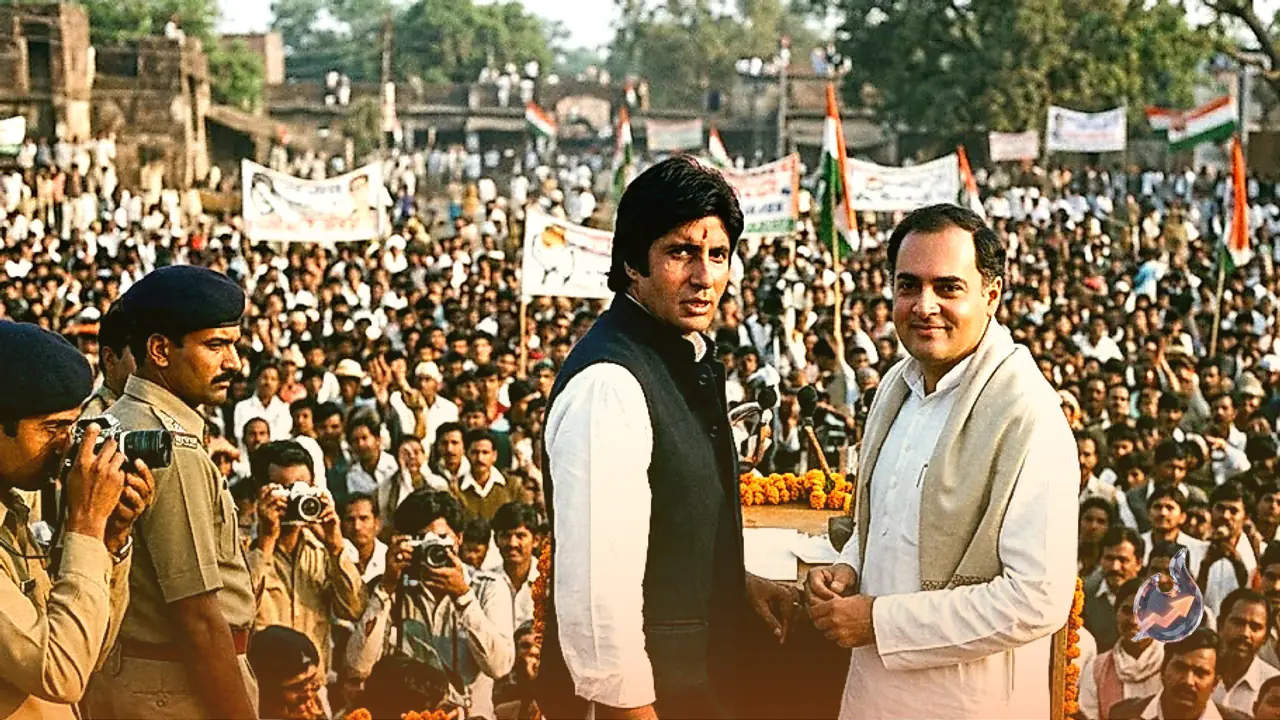
Having established his screen persona confronting systemic injustice, he made a real-world pivot to governance during 1984. In the aftermath of former prime minister Indira Gandhi's assassination, he joined the Congress party to rally behind his lifelong friend Rajiv Gandhi. Upon Rajiv Gandhi's encouragement, he contested the 8th Lok Sabha election from his native constituency of Allahabad. The contest concluded with a historic, one-sided victory against veteran politician and former Uttar Pradesh chief minister Hemwati Nandan Bahuguna, recording one of the most decisive margins in the country's electoral archives.
The Bofors Controversy And Early Resignation
While his parliamentary journey seemed promising, the emergence of the Bofors scandal in 1987 saw allegations leveled against both him and his brother Ajitabh Bachchan. The ensuing public scrutiny and relentless criticism from opposition benches took a heavy emotional toll. Although all allegations ultimately proved baseless and he received a complete clean chit in the matter in 2012, the intense atmosphere prompted him to resign his Lok Sabha seat in July 1987 well ahead of completing his full term.
Severing Political Ties And Forging New Alliances
Following that departure, he chose never to participate in electoral contests again. During a subsequent period when his business enterprise ABCL faced severe financial turmoil without backing from the Gandhi family, politician Amar Singh stepped forward to extend monetary relief. This bond influenced his proximity to the Samajwadi Party. His spouse Jaya Bachchan eventually entered active politics through the Samajwadi Party, serving continuously as a Rajya Sabha member of parliament since 2004.
A Realization About Emotion In Governance
Reflecting on that brief legislative phase during an interview, he described the decision to run as purely sentimental, driven by a desire to stand by a companion. Explaining his disillusionment, he noted that public affairs left no room for sentimentality, leading directly to his decision to walk away.