




















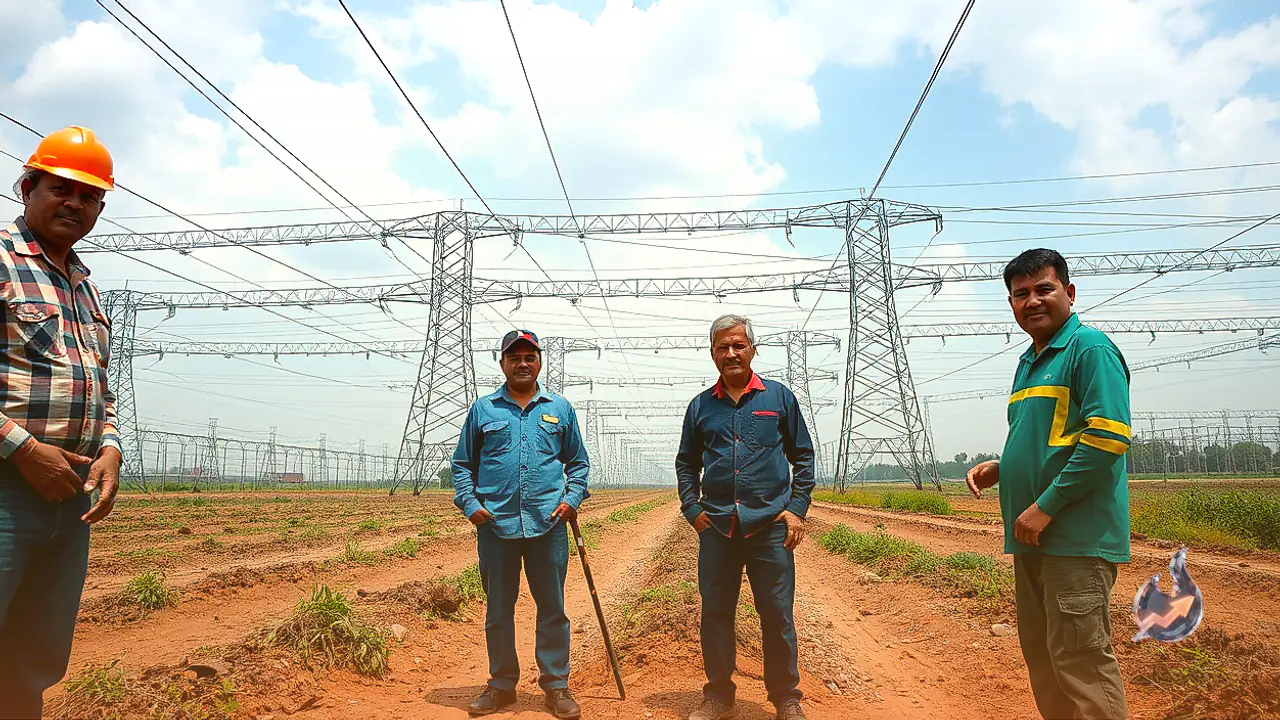

Marking a significant expansion in cross-border energy infrastructure, India and Singapore have agreed to advance plans for an extensive electricity transmission corridor spanning 3,000 kilometres. Originating in Imphal in northeastern India, the proposed overland power link will traverse Myanmar, Thailand, and Malaysia before terminating in Singapore. Designed with an estimated transmission capacity of around 2,000 megawatts, the network aims to establish a direct electricity conduit between India and Singapore. The consensus on advancing this project was reached during the 10th East Asia Energy Ministers' Meeting held in Manila, the capital of the Philippines.
Expanding Regional Connectivity Beyond Immediate Borders
The intercontinental proposal arrives as India actively widens its electricity connectivity network beyond neighbouring states. India already maintains functional cross-border transmission links with Bangladesh, Nepal, Bhutan, and Myanmar, exporting power to these nations on a regular basis. Similar grid interconnection talks are presently underway with Sri Lanka, alongside preliminary technical considerations to link India's domestic power grid with transmission systems in Saudi Arabia and the United Arab Emirates. Furthermore, India has been spearheading regional grid integration under the International Solar Alliance's 'One Sun One World One Grid' initiative.
Singapore's Clean Energy Roadmap and Land-Route Supply
According to Union Power Minister Shripad Naik, Singapore's Energy Market Authority has outlined an official target to procure 6 gigawatts of clean electricity by the year 2035. The current blueprint plans to transmit this clean energy primarily across land routes to reach Singapore. By establishing this high-capacity land link, India aims to bolster energy self-sufficiency while creating a robust long-term export channel for surplus renewable generation across Southeast Asia.
Role of Indian Power Sector Entities
Several specialized public sector corporations and technical agencies from India are actively engaged in facilitating the energy partnership with ASEAN member states. Key entities driving the initiative include NTPC, Power Grid Corporation of India, the Central Electricity Authority, the National Institute of Wind Energy, and the National Institute of Solar Energy. Together, these organizations are evaluating synchronization requirements, transmission stability, and infrastructure parameters across all transit nations to ensure seamless cross-border delivery.