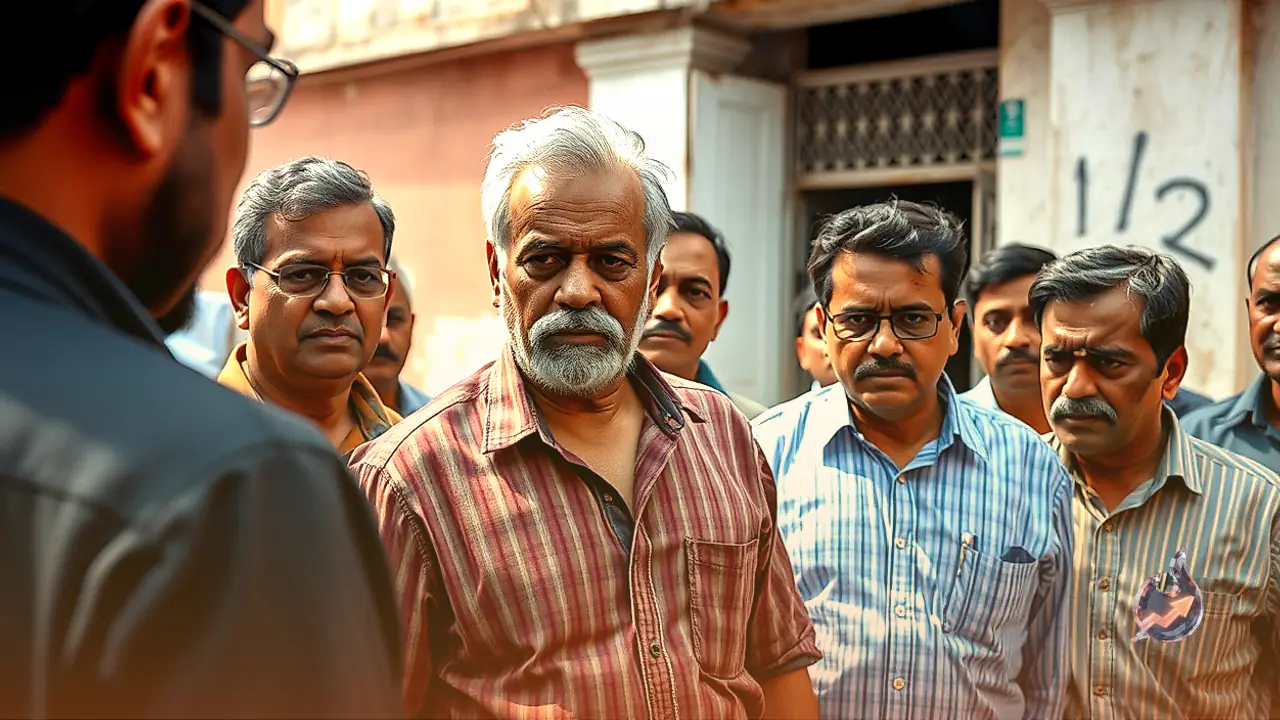

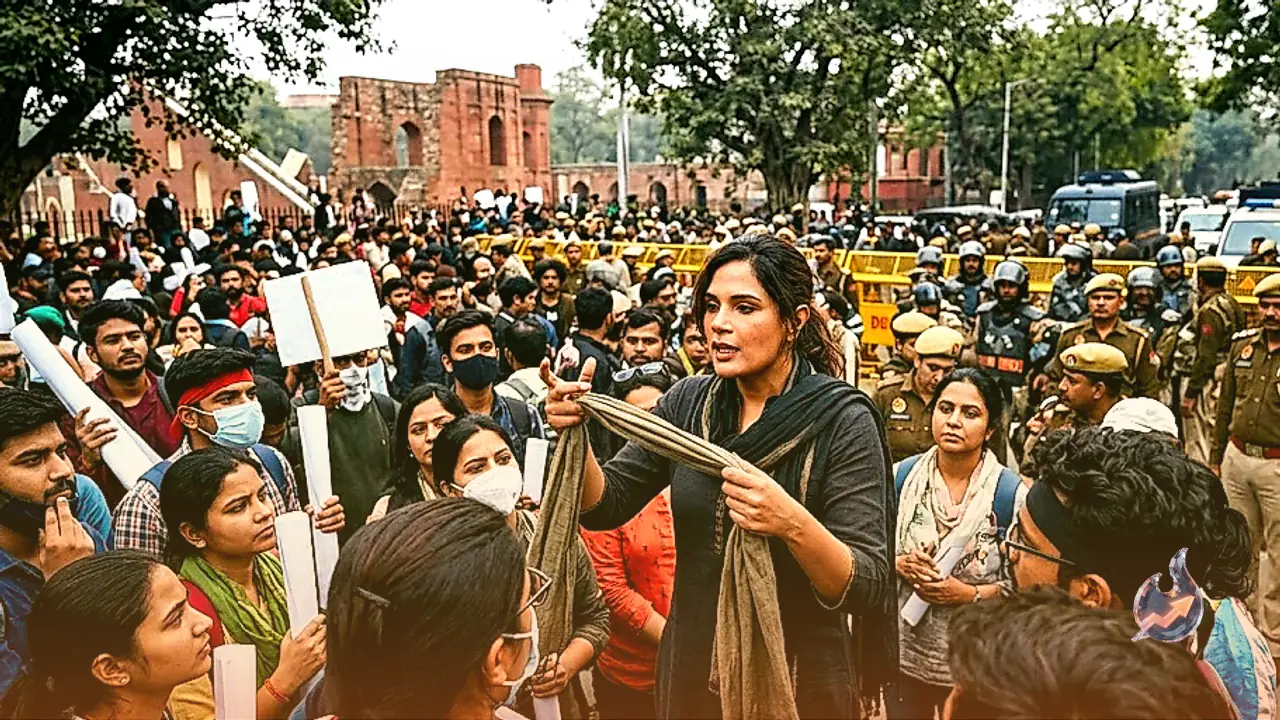


















The Indian film fraternity was plunged into grief following the passing of celebrated screen icon Nana Patekar on 8 October. Renowned for his uncompromising authenticity both on and off the screen, the seasoned performer had navigated through severe adversity before earning widespread acclaim. Among the most harrowing chapters of his journey was an era of crushing penury that left him utterly powerless to secure adequate medical attention for his critically ill father.
Stardom Arrived Long After Irreparable Loss
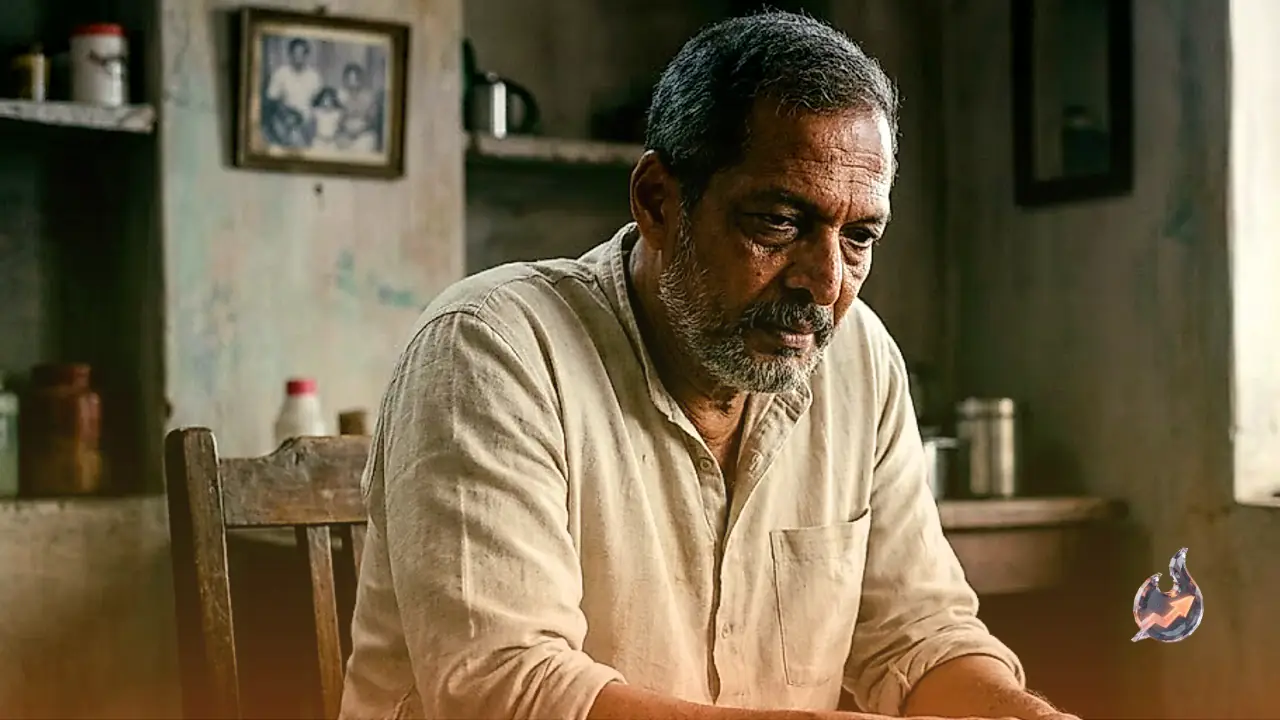
Although his subsequent entry into feature films gradually stabilized his finances and brought immense material prosperity, that financial relief materialized far too late to alter his family's fate. Reflecting on that sorrowful chapter in an interview, he recounted the profound helplessness of watching his parent slip away in medical care, stating, “when my father fell ill, I had no money for his treatment and he died in the hospital.”
Anxious Vigils on Stairwells and Pavements
During the period his ailing father remained admitted, visiting restrictions forced the young actor to face agonizing circumstances outside the ward. Barred from staying indoors after visiting hours concluded, he was compelled to spend whole nights out in the open alongside a companion. Perched on bare concrete steps and roadside pavements, the duo nervously sang musical games through the night simply to cope with the agonizing wait for health updates.
The Torment of Being Unable to Afford Better Facilities
No amount of subsequent acclaim or commercial triumphs could erase the bitter regret that he lacked the resources to admit his father to a superior healthcare facility. While his screen presence later made him a household name across the nation, his inability to provide essential medical backing during his father's final hours remained a permanent ache in his heart.
A Lingering Guilt Untouched by Fame
The veteran artist later reflected that having adequate funds back then would have allowed him to procure higher-grade pharmaceuticals and secure admission into a premier medical center. That inability to intervene left a persistent knot of remorse that never dissipated with age. Whenever memories of that helpless phase resurfaced, the grief would instantly bring tears to his eyes, proving that no amount of late wealth could substitute for saving a loved one in time.