





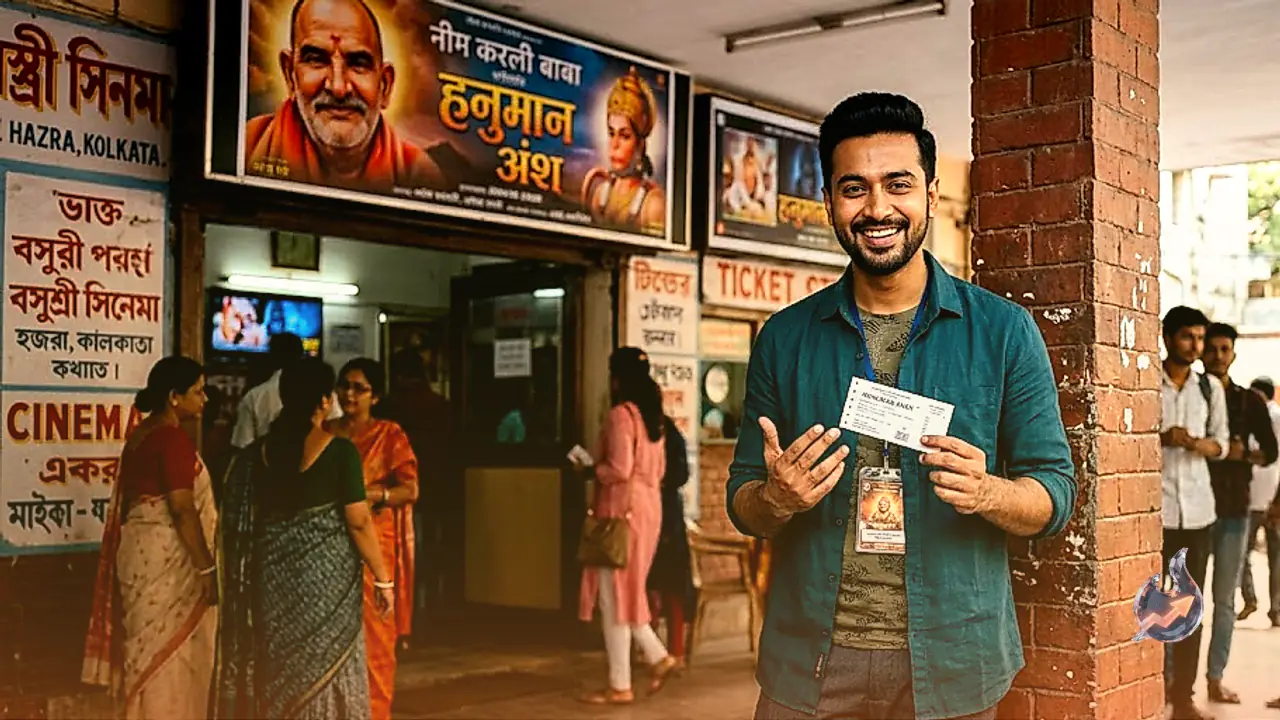














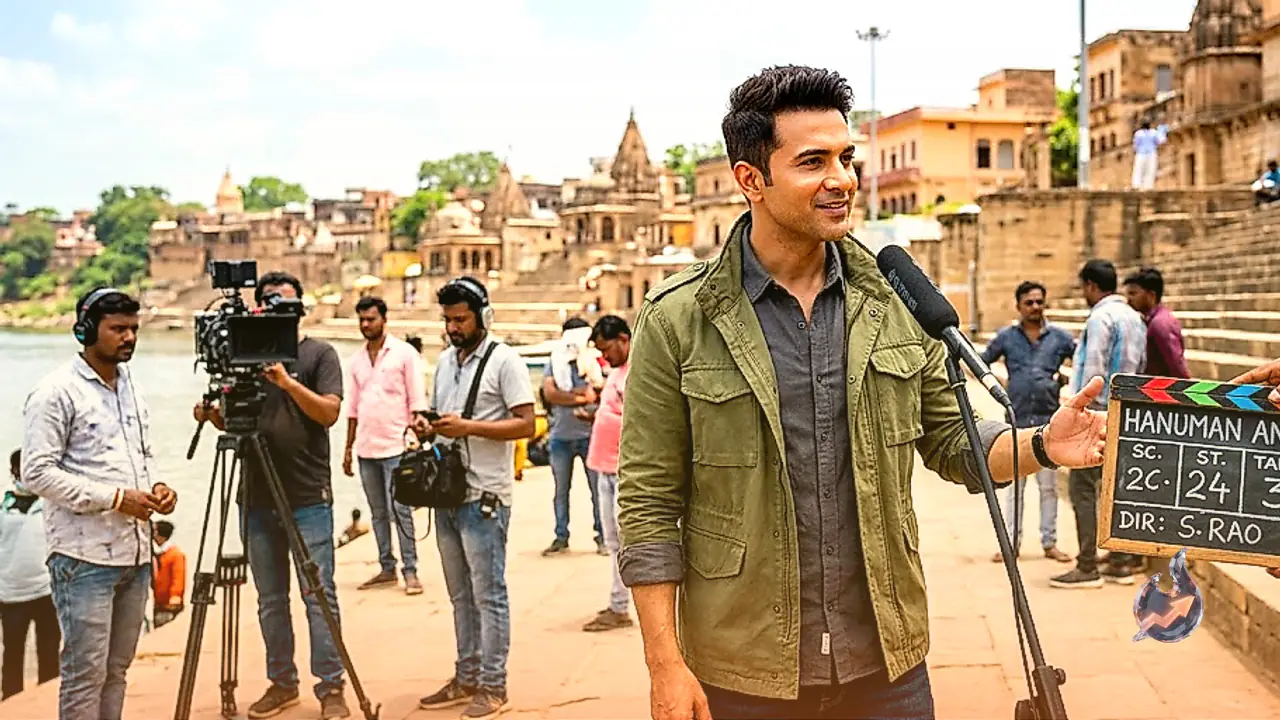

In the landscape of Indian cinema during 2026, the biographical spiritual feature Hanuman Ansh emerged as a notable talking point, drawing widespread interest for its grounded aesthetic and focus on genuine heritage settings. Centered on the formative years and spiritual quest of saint Baba Neem Karoli Maharaj, more than 80 percent of the film was shot on location across the sacred and rugged terrain of Chitrakoot and its neighbouring districts. Rather than relying on synthetic soundstages, the creative team opted to embed their cameras directly into places carrying deep historical and cultural resonance, led by the revered Aghamarshan Kund situated at Dharkundi Ashram, roughly 70 kilometres away from Satna.
Aghamarshan Kund and Its Epic Mythological Roots
Located within the peaceful confines of the well-known Dharkundi Ashram near Chitrakoot, Aghamarshan Kund served as the backdrop for several pivotal meditative sequences in the production. Beyond its picturesque greenery, the site holds long-standing traditional reverence among pilgrims. Local folklore links this serene reservoir to the Mahabharata era, with enduring regional beliefs associating the tranquil waters with the philosophical exchange between Yudhishthira and the Yaksha. The filmmaker utilized this exact environment to stage reflective conversations and meditation sequences between the central protagonist and an ascetic, capturing the quiet shifts in consciousness that marked the character's turn toward renunciation and inner discovery.
Rugged Ridges and Untouched Natural Streams
The surrounding hillside topography and cascading natural water channels around Aghamarshan Kund provided a striking organic visual frame for the movie. The production deliberately avoided elaborate architectural sets, choosing instead to let the raw landscape dictate the mood of the scene. The physical ambience, natural light, and undisturbed waters were recorded to convey the authentic atmosphere of the holy spot. While these specific moments account for only about 1 to 2 minutes of total runtime in the finished cut, their narrative weight is substantial, acting as a crucial turning point in the protagonist's personal trajectory.
Beginning the Narrative at Punjabi Baba Ashram
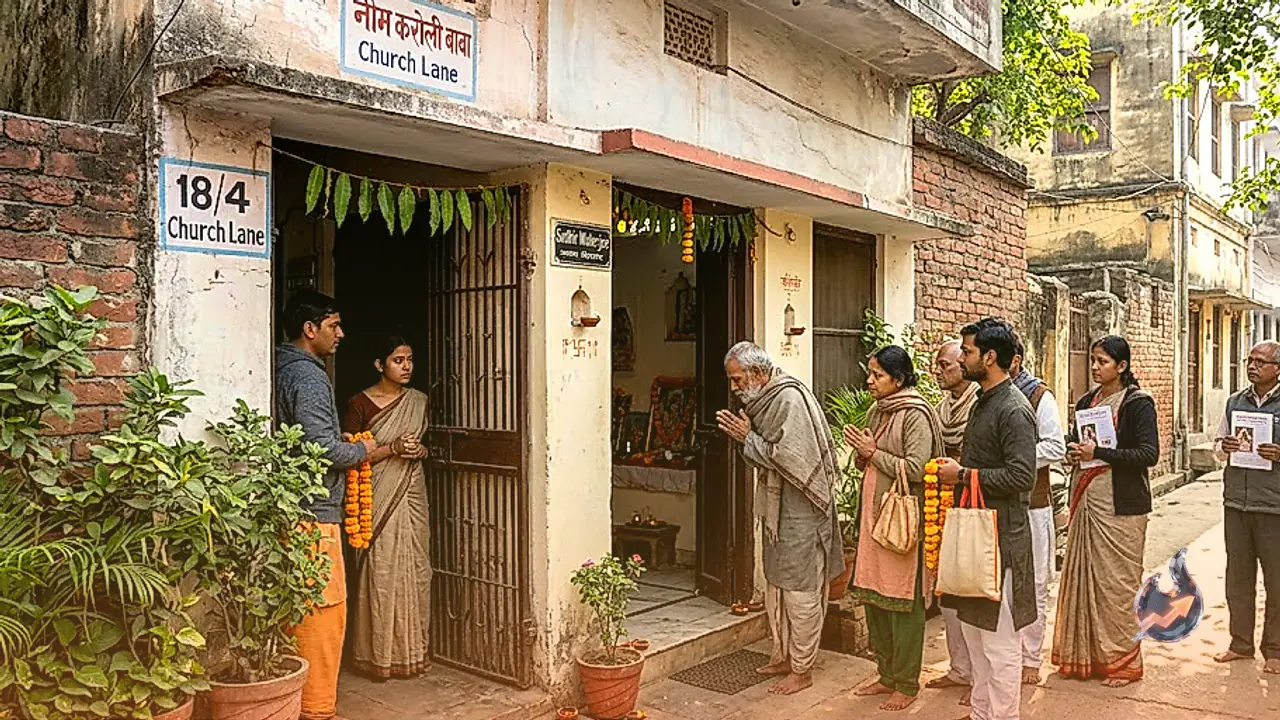
The quest for geographic authenticity also led the crew to the banks of the Mandakini River in Chitrakoot, specifically to Punjabi Baba Ashram. The opening scene of the entire film was recorded inside the very chamber where Neem Karoli Baba historically stayed during his travels. By filming within the actual physical spaces tied to the saint's real-life movements, the director aimed to preserve an unadorned historical texture that connected the cinematic narrative directly to regional memory.
Local Bundeli Culture and the Shivrampur Transformation
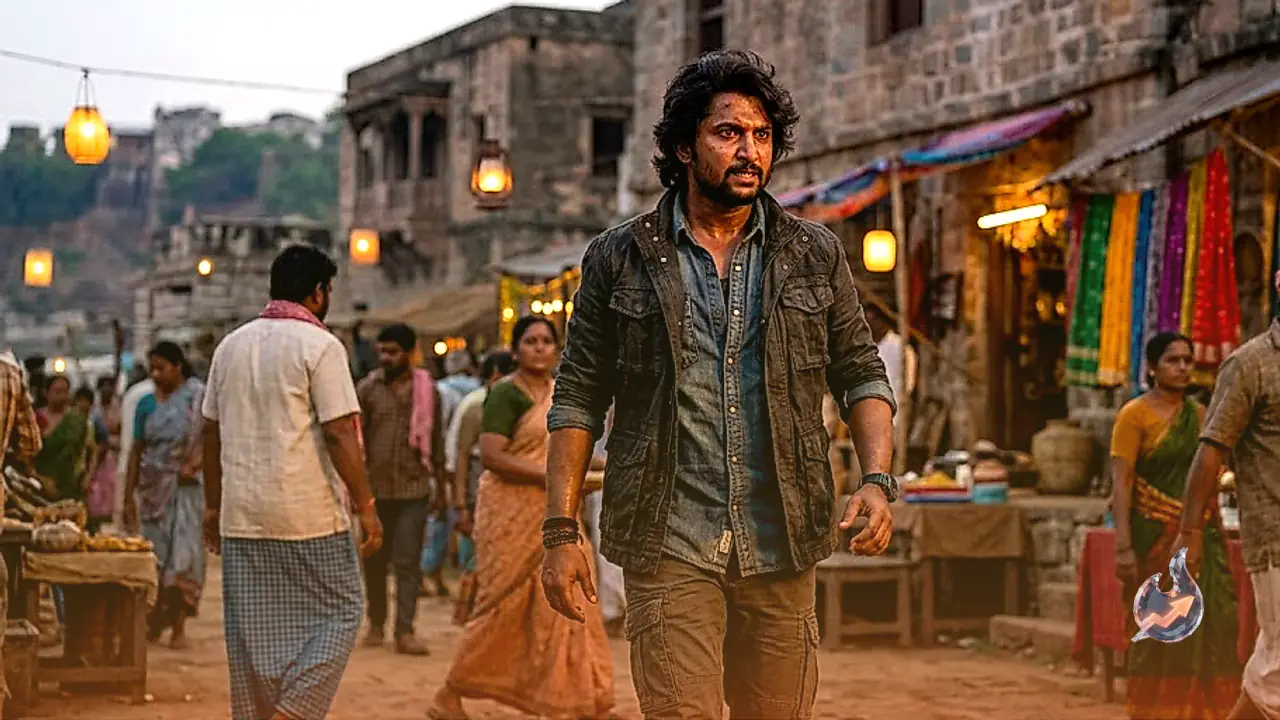
To ground the visual palette in everyday life, the makers immersed the project in the surrounding Bundeli and Bagheli cultural backdrop. Ordinary village residents from surrounding hamlets were invited into the frame, imparting a lived-in, unpretentious quality to the rural backdrops. Production design also relied on clever repurposing of existing regional architecture rather than costly studio fabrication. In Shivrampur, an aging junior high school building was transformed through practical art direction to recreate the historical setting of Fatehgarh jail, proving that inventive local adaptations could convincingly replace extravagant soundstage construction.
Lean Production, Box Office Returns, and the Road Ahead
Directed and scripted by Dr. Vishal Chaturvedi under the banner of Swayambhu Media Network, the narrative examines the saint's origins, tracing his path from his early name Lakshmi Narayan through his renunciation, divine yearning, and emerging spiritual stature. Lead performances were delivered by Shobhit Srivastava alongside Chandan Anand. Produced on a modest budget of around 2 crore rupees, the theatrical run collected upwards of 50 crore rupees, ranking the venture among the most profitable domestic cinematic releases of that year. Following this commercial milestone, the makers announced a sequel titled Hanuman Ansh 2. The subsequent instalment is slated to focus on the saint's ties to the Braj belt, incorporating his birthplace in Firozabad along with historic chapters across Agra, Mathura, and his spiritual sanctuary at Kainchi Dham in Nainital.