

















Faith-driven narratives in Indian cinema have repeatedly defied commercial conventions, creating box office turnarounds that stun industry observers. The low-budget feature Hanuman Ansh has recently emerged as an extraordinary commercial powerhouse, echoing a cultural phenomenon witnessed fifty-one years ago. Back in 1975, the release of Jai Santoshi Maa transformed cinema halls across the country into sacred shrines where audiences performed devotional rituals, offered floral tributes, and distributed consecrated sweets directly before the silver screen. The parallel trajectories of these two faith-centered releases demonstrate that spiritual subject matter, when resonating deeply with public sentiment, possesses immense commercial potential.
Modest 1975 Release of Jai Santoshi Maa Created Cinematic History
Helmed by director Vijay Sharma and financed by producer Satram Rohra, the 1975 mythological drama Jai Santoshi Maa arrived in theatres with modest expectations and an equally modest production outlay. Featuring a dedicated ensemble that included Anita Guha, Bharat Bhushan, Kanan Kaushal, and Ashish Kumar, the production brought divine lore to vivid screen life. The central storyline focused on the divine grace of deity Santoshi Mata and the steadfast reverence of her devotees. While ticket sales remained relatively modest during its initial days, word-of-mouth recommendations rapidly snowballed into an unprecedented box office surge that left auditoriums overwhelmed.
Bullock Carts and Unshod Devotees Transformed Theatres into Sanctuaries
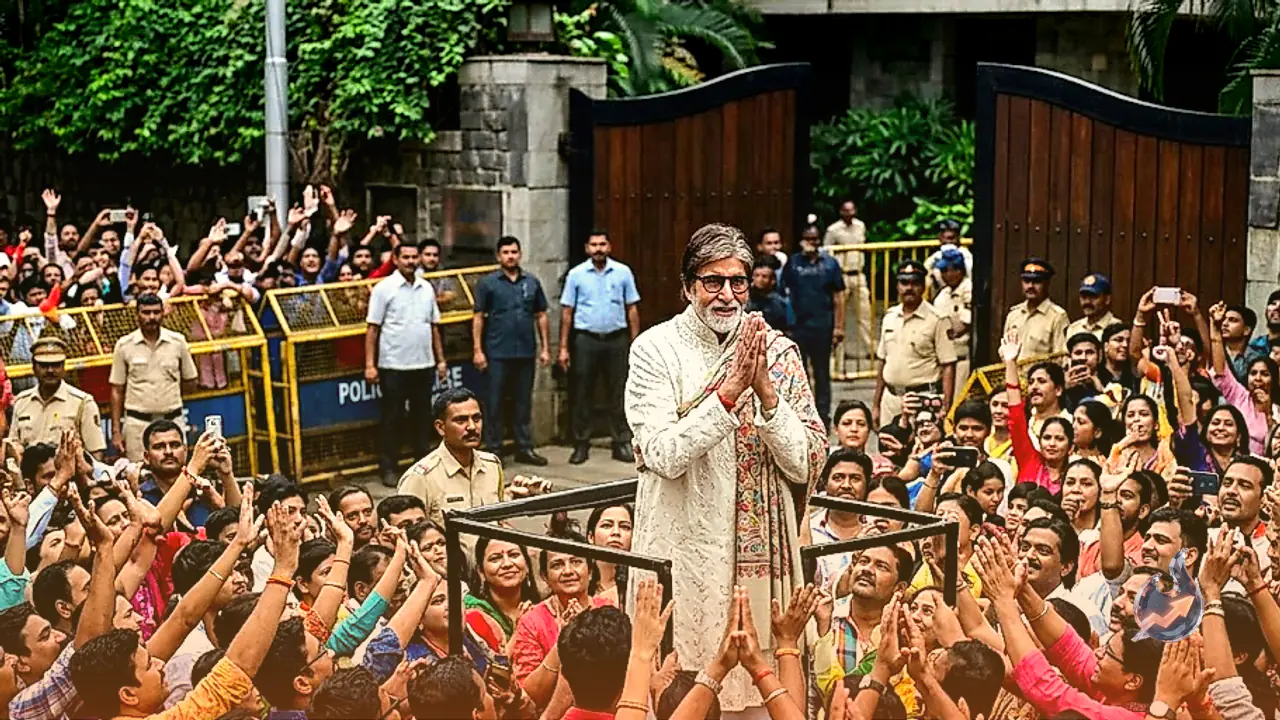
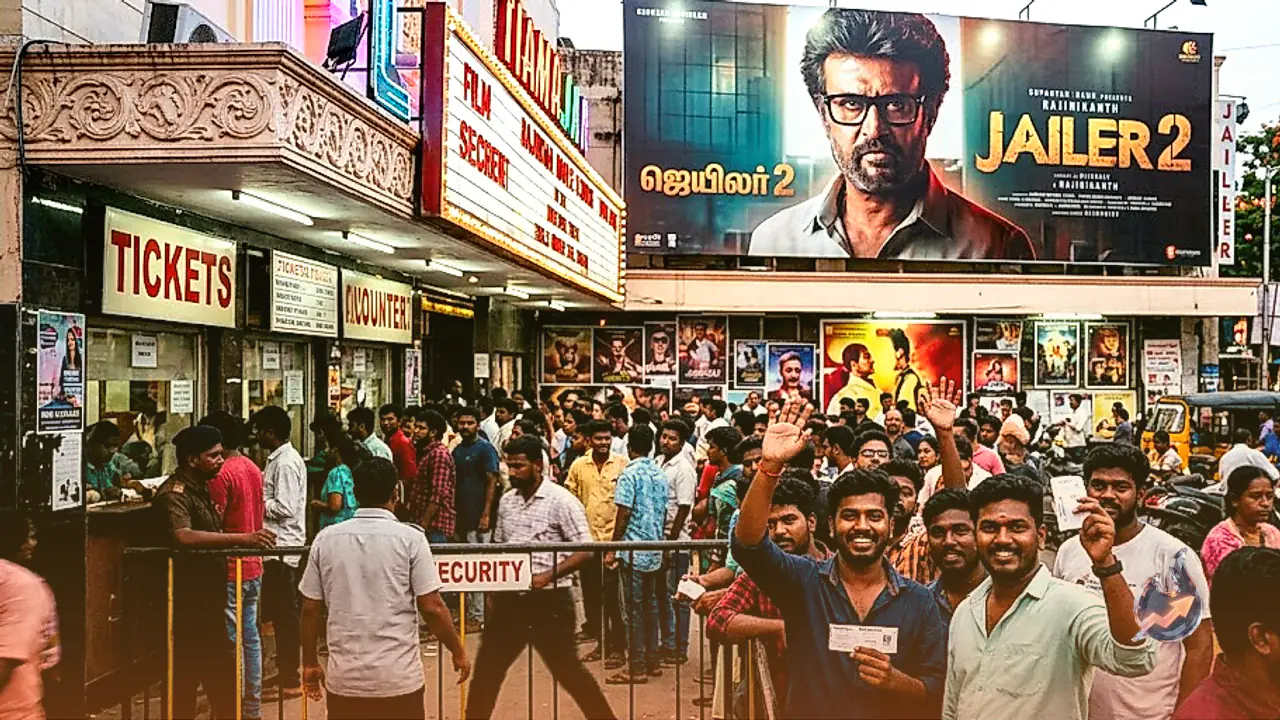
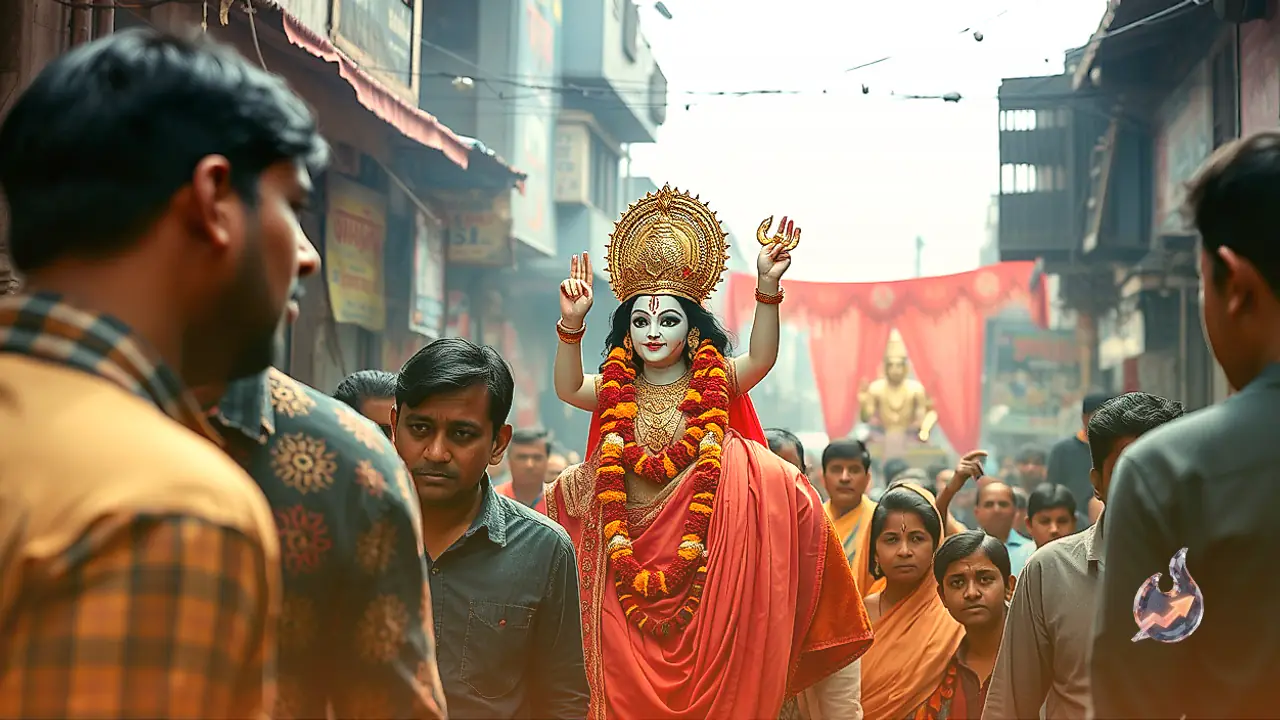
The cultural momentum surrounding the mythological drama quickly swept across rural heartlands and peripheral towns. Groups of elderly patrons and rural women traveled long distances, arriving at district cinema halls in convoys of packed bullock carts. Audiences treated the movie theatres as genuine temples, conscientiously removing their sandals outside cinema halls before entering the screening halls. Spectators tossed flower petals, uncooked rice, and monetary coins toward the screen as the film played. Screenings frequently concluded with formal prayer ceremonies accompanied by the sound of bells and the singing of devotional hymns, followed by the orderly sharing of sacred offerings among audience members.
Holding Firm Against the Phenomenon of Sholay
The enduring success of Jai Santoshi Maa is particularly remarkable because it shared marquee space with Ramesh Sippy's legendary spectacle Sholay, which starred Amitabh Bachchan and Dharmendra. While Sholay was backed by premier industry stars, elaborate budgets, and massive action sequences that cemented its status as an all-time blockbuster, the low-cost devotional release refused to be overshadowed. Despite intense competition from the iconic multi-starrer, Vijay Sharma's project maintained packed houses for months on end, carving out its own historic share of box office revenue.
Hanuman Ansh Reclaims Spiritual Resonance with 431.85 Crore Rupees Haul
Fifty-one years later, the 2026 release Hanuman Ansh has renewed interest in the box office potency of spiritual themes. Centered around the revered life and teachings of mystic Neem Karoli Baba, the project was directed by filmmaker Vishal Chaturvedi. Similar to its 1975 predecessor, the devotional drama failed to make any noticeable commercial impact during its first two weeks in theatrical circulation.
Following that muted two-week opening, the cinematic tide turned dramatically as enthusiastic audience praise sparked an unprecedented commercial run. Produced with a shoestring budget of just 2 crore rupees, Hanuman Ansh has amassed more than 431.85 crore rupees in worldwide box office ticket sales to date. Popular spiritual songs featured throughout the film contributed significantly to its sustained appeal across varied demographics. Even the film's creative producers openly admitted that they had never anticipated an ultra-modest 2 crore investment to yield a worldwide collection exceeding 431.85 crore rupees.