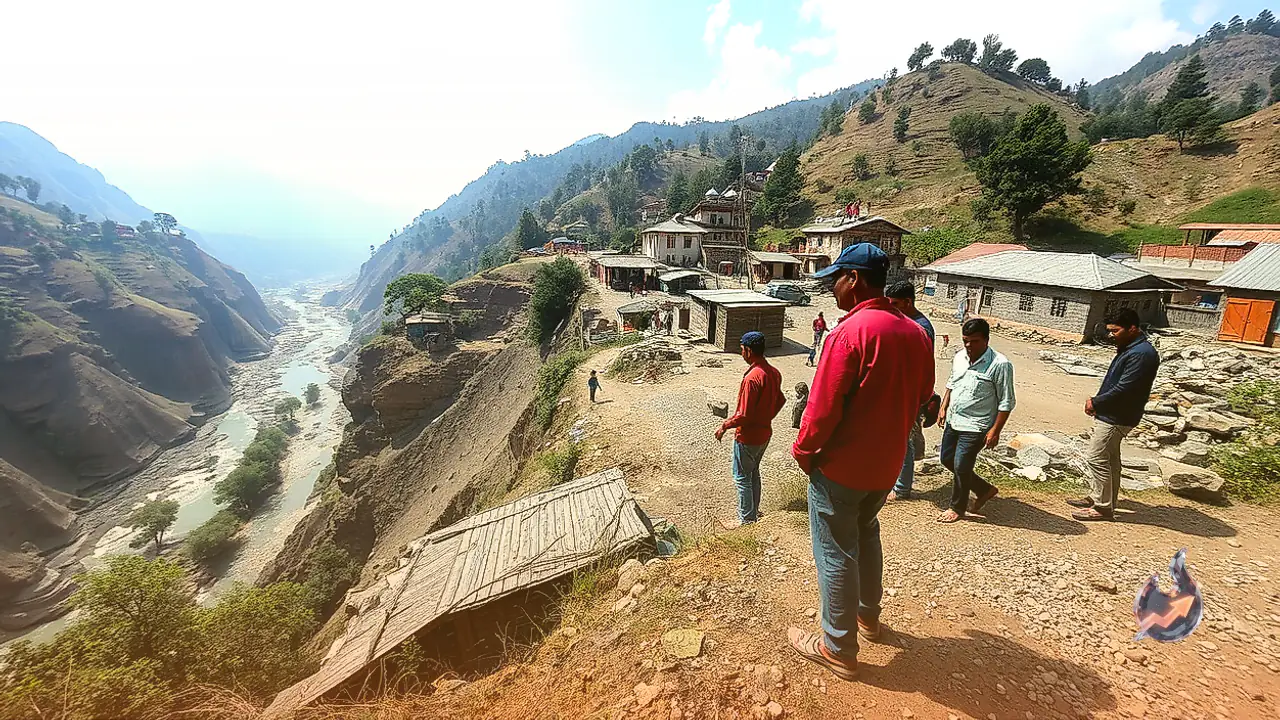


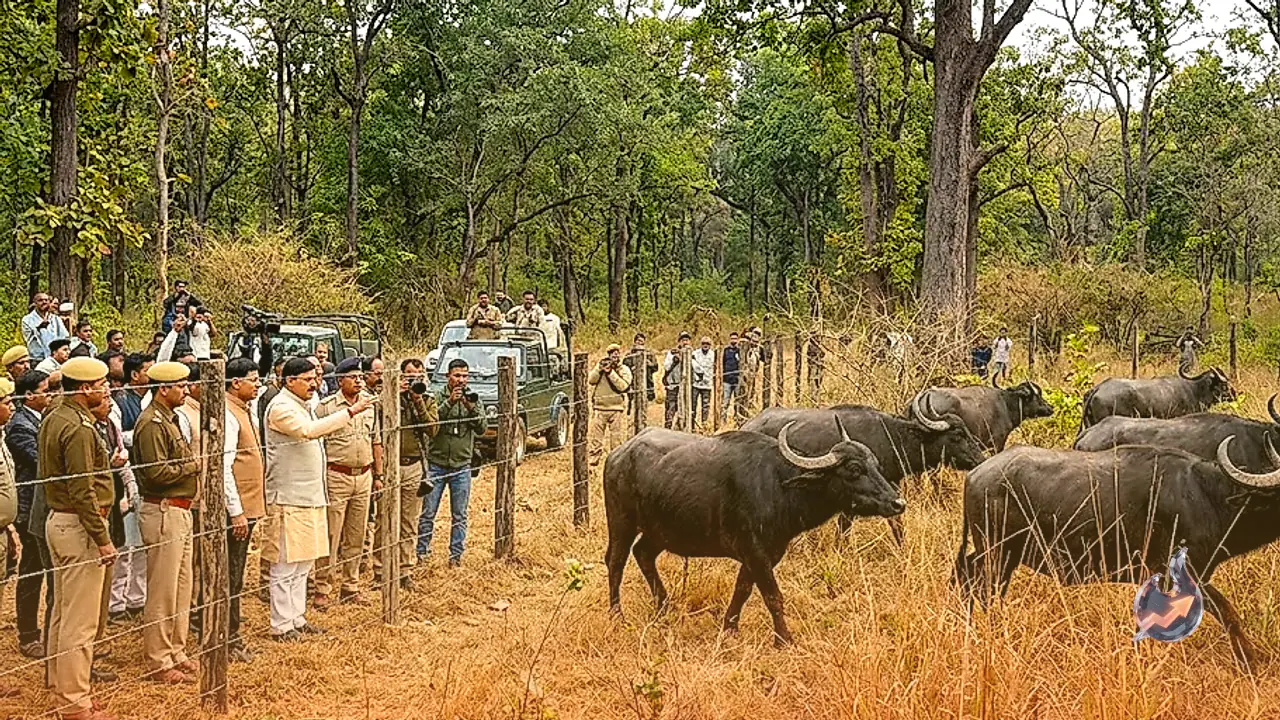
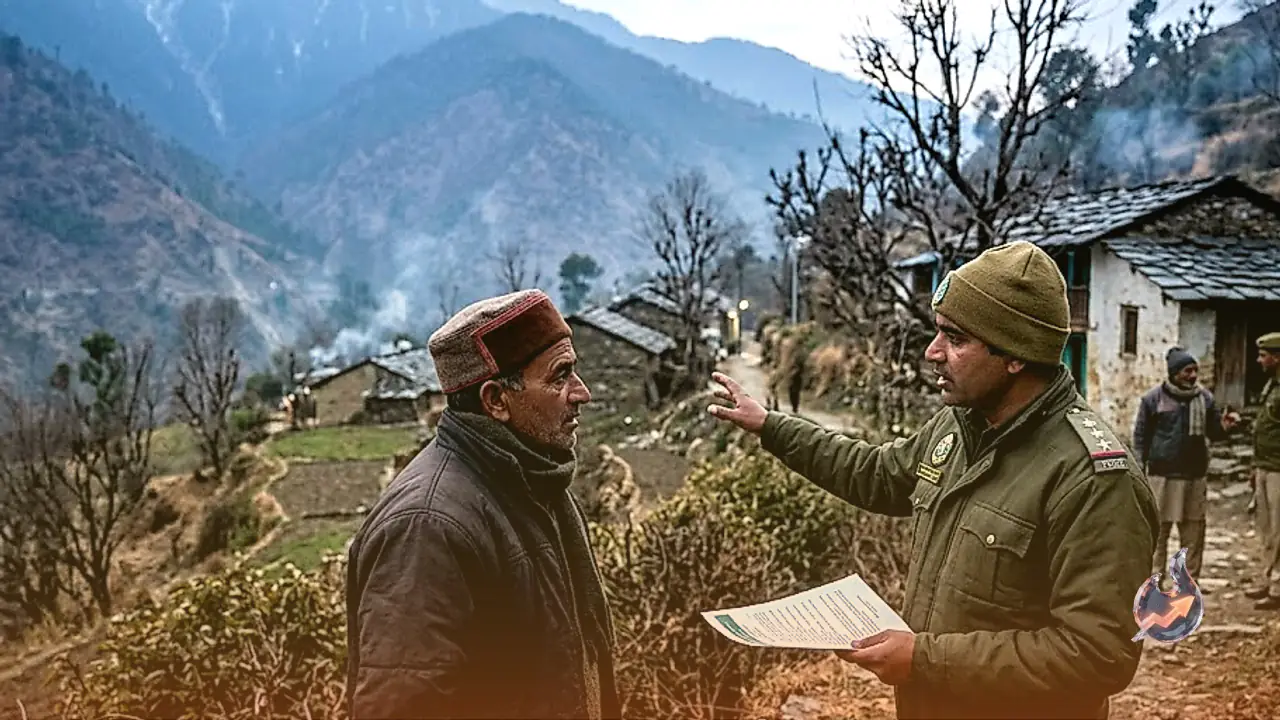


















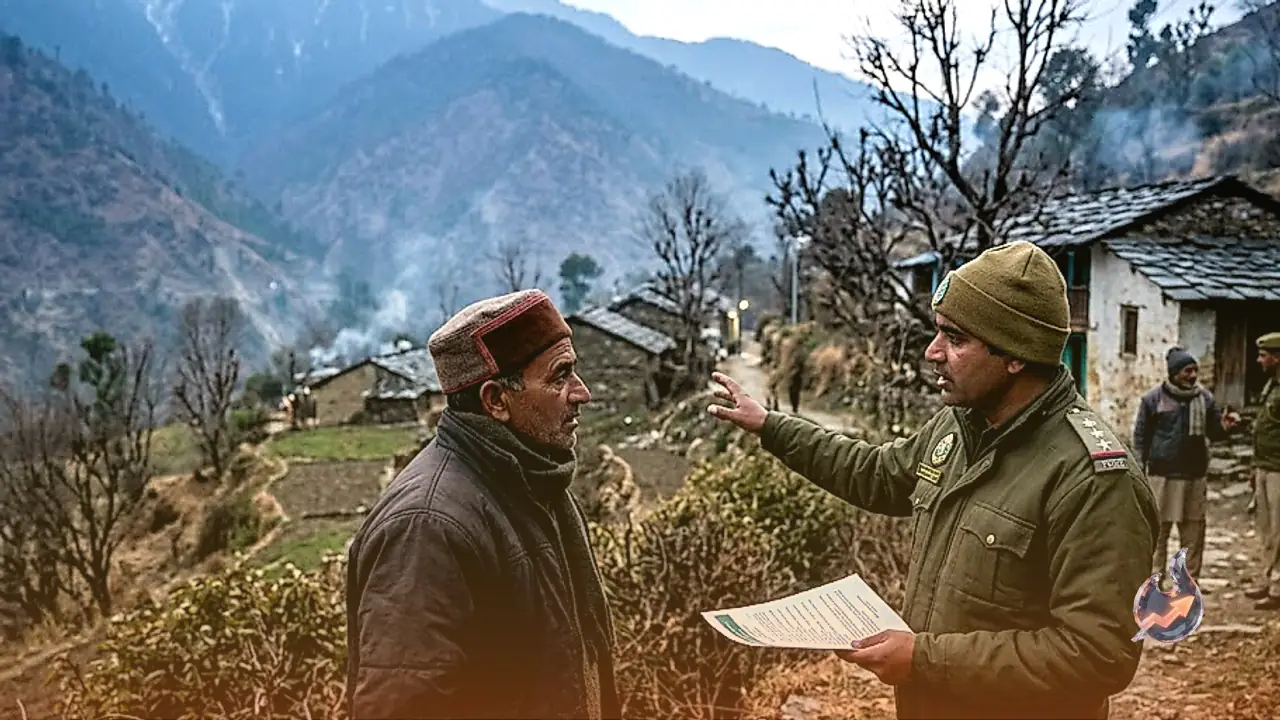

With the onset of winter across the mountainous terrains of Uttarakhand, interactions between wildlife and human settlements have begun to escalate significantly. As temperatures plunge, bears and leopards frequently abandon the deep woods in search of sustenance, venturing into residential pockets and village peripheries. This seasonal movement poses an imminent hazard to the lives of local villagers as well as tourists visiting the hill stations. In an urgent effort to safeguard the public and avert fatal encounters, the Uttarakhand Forest Department has stepped forward with a detailed advisory for residents in Haldwani and surrounding hill belts, emphasizing that simple precautionary steps can effectively shield families from wild animal strikes.
Securing Residential Perimeters and Farmland
The winter months witness a sharp spike in wild animal movements near habitations, demanding heightened vigilance from the local populace. Officials have advised residents and agriculturalists to ensure robust illumination around their properties, farms, and courtyards after dusk. Well-lit perimeters serve as a natural deterrent against prowling carnivores. In addition, cultivators must erect protective barriers such as thorny shrubs, fences, or sturdy boundary wire around their crop fields to block easy entry. Maintaining cleanliness around dwellings and ensuring domestic livestock are secured within sturdy, fully enclosed sheds are equally critical steps, as vulnerable cattle often lure predators directly into village settlements.
Precautionary Protocols for Forest Routes and Isolated Paths
For individuals commuting along woodland borders or secluded mountain tracks, the authorities have outlined clear safety measures. Walking alone on unpopulated pathways or near the tree line is strictly discouraged. Whenever travel is unavoidable, people should move together in groups and carry a solid wooden stick for personal protection.
Maintaining audible presence while traversing sensitive zones is strongly recommended; commuters should talk loudly or produce rhythmic sounds so that nearby animals are alerted in advance and retreat quietly into the forest cover. Travellers must also keep a sharp eye on their surroundings, watching out for animal footprints, droppings, and broken brush, which indicate recent predator activity. During evening or night hours, carrying a reliable torch or high-powered light is mandatory. Furthermore, vulnerable family members, especially young children and the elderly, must never be allowed to venture out unaccompanied towards open fields or forest edges during the early dawn or twilight hours.
Waste Disposal Rules and Avoiding Provocation
Food scent remains a major trigger drawing wild beasts into village streets and housing compounds. The forest department has urged residents not to discard kitchen scraps, biological waste, or leftover food items in the open around their premises and cowsheds. Leaving harvested vegetables or fruits in courtyards produces strong odors that readily guide foraging bears straight to homes. If a resident unexpectedly encounters a leopard or a bear at close quarters, they must strictly refrain from taking photos or recording videos. Attempting to pelt stones at wild animals, mocking them, or cornering them can provoke extreme aggression and trigger immediate, deadly counterattacks.
Emergency Action and Forest Department Assistance
Whenever a wild predator is spotted lingering close to human habitations, or if local crowds gather to make loud noises by banging empty metal canisters, bursting firecrackers, or lighting bonfires to drive the beast away, the forest administration must be notified immediately. For rapid assistance during emergencies, residents have been directed to dial the official helpline number 1926 without delay. Prompt coordination with forest personnel ensures that rescue units can intervene swiftly and neutralize the danger before any untoward tragedy occurs.