


















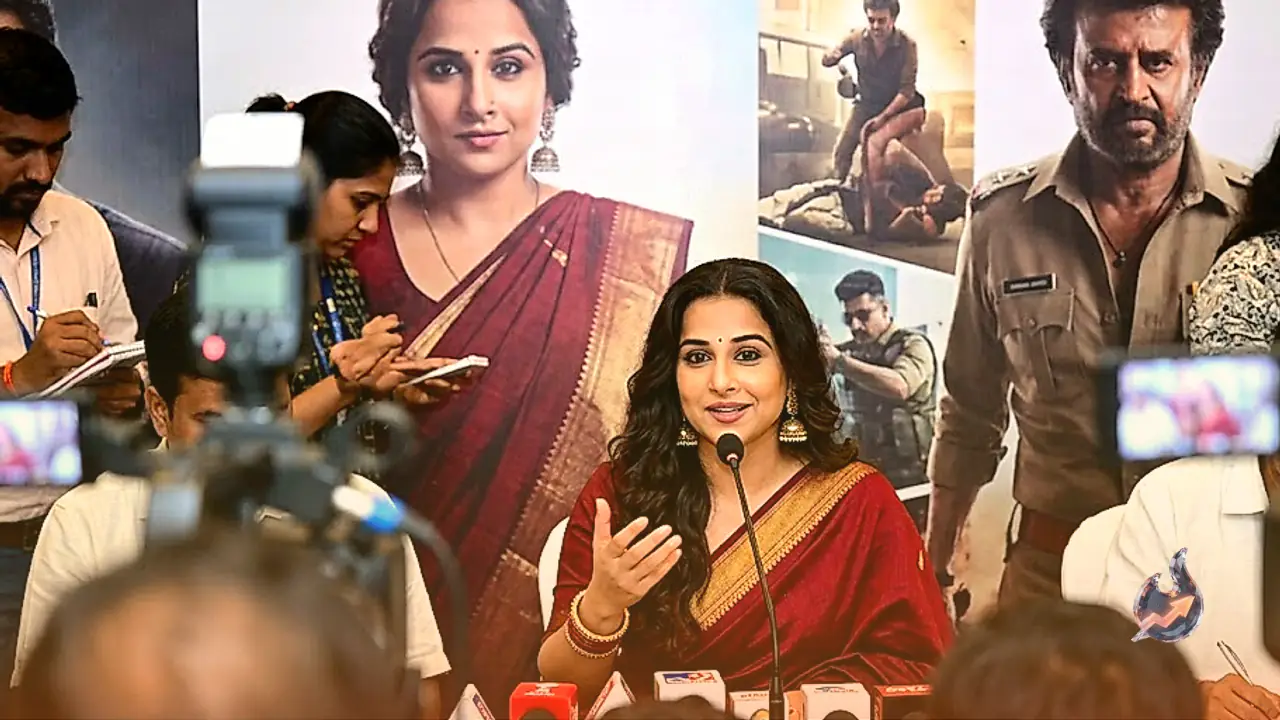

Behind the glittering facade of the entertainment industry lie numerous untold stories of harsh rejection, where talent is frequently judged not by merit but by circumstance. Today recognized as one of Indian cinema's most formidable performing talents, Vidya Balan walked a grueling path before finding her footing. During the formative phase of her career, an unfortunate turn of events led industry circles to label her an ill omen, resulting in her sudden dismissal from multiple film ventures before cameras could even start rolling. The emotional scarring from that period kept her hesitant to venture outside Hindi cinema for years. Decades later, that painful narrative comes full circle as she steps into Tamil cinema to lock horns directly with superstar Rajinikanth.
The Weight of Early Superstitions and Industry Ousters
The earliest stretch of Vidya Balan's professional journey was marked by severe stumbling blocks in South Indian regional cinema. She had initially secured a prestigious opportunity in the Malayalam film titled Chakram, paired alongside veteran actor Mohanlal. Expectations were understandably massive, yet production abruptly halted mid-schedule and the venture was permanently shelved. Following this sudden setback, irrational superstitions began circulating within production circuits. Observers uncharitably began branding the young performer as a harbinger of misfortune, presuming that any production involving her would be doomed to failure.
This baseless perception inflicted heavy damage on her burgeoning career. She found herself unceremoniously dropped from more than a dozen film projects across regional industries. In the Tamil sector, promising roles slipped away in rapid succession, including high-profile ventures like the R Madhavan starrer Run and the Srikanth led project Manasellam. On numerous occasions, producers replaced her right before principal photography was scheduled to commence, leaving her deeply shattered. The sting of these experiences eroded her confidence, creating a lingering hesitation toward working in languages other than Hindi. With time and maturity, she has come to view those setbacks as unfortunate outcomes of circumstance and timing rather than personal shortcomings.
A Journey from Parineeta to the Ruthless Kantha
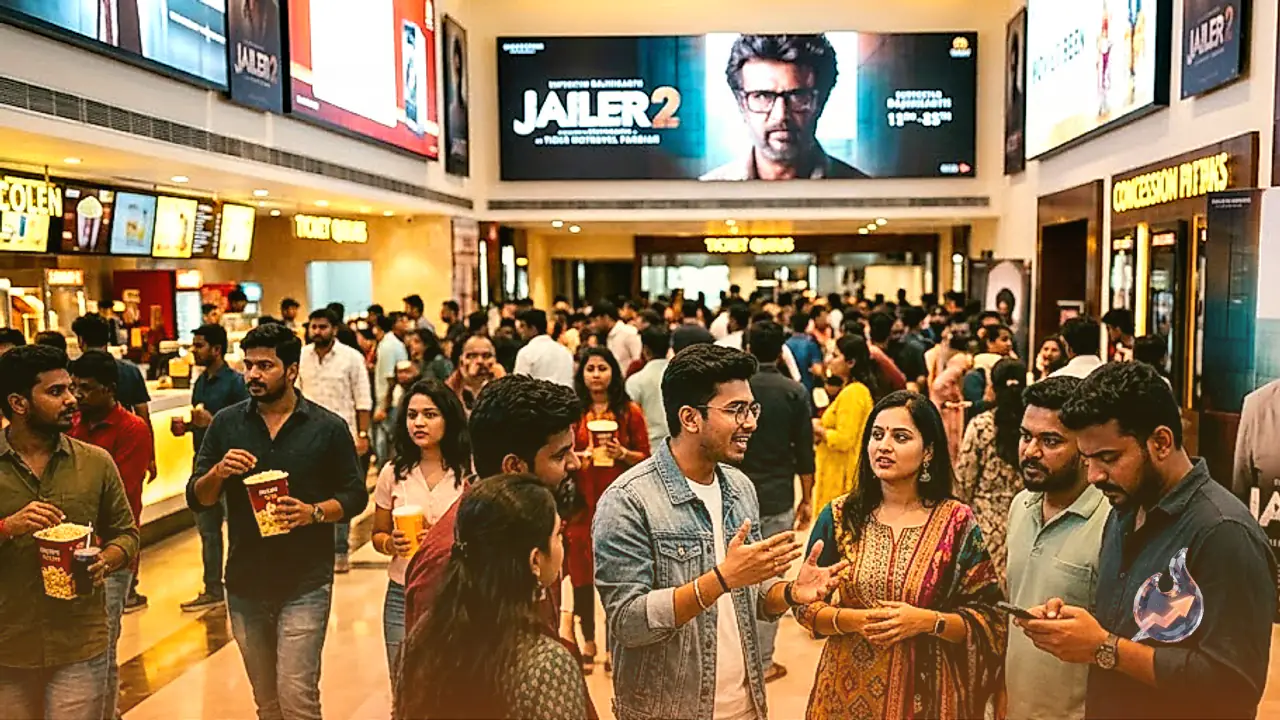
Vidya Balan eventually carved out an indelible niche in Hindi cinema following her breakthrough in the 2005 release Parineeta. From portraying grounded, layered women across classic stories, she has now joined director Nelson Dilipkumar's high-octane action thriller Jailer 2. In this film, she steps into the shoes of Kantha, a pivotal character who functions as a formidable antagonist driving the central conflict. Sharing frames with Rajinikanth represents an exceptional milestone in her cinematic journey.
The opportunity to collaborate with the veteran superstar had presented itself earlier as well, but unavoidable scheduling conflicts with another film prevented her from accepting that project. When director Nelson approached her with the script of Jailer 2, she was determined not to let the opportunity slip through her fingers again. The prospect of facing Rajinikanth across the camera served as the foremost motivation behind her decision to join the ensemble.
Smoking Before the Superstar and Overcoming Shaking Hands
The central dynamic of Jailer 2 pits Vidya Balan's ruthless character directly against Rajinikanth's legendary persona, Muthuvel Pandian. Promotional glimpses reveal a chilling scene where she exhales cigarette smoke straight across Rajinikanth's face. While the moment appears fierce and commanding on screen, pulling it off proved remarkably challenging for the actor. It marked the first instance in nearly fifteen years that she held a cigarette on camera, having last smoked on screen for director Milan Luthria's The Dirty Picture.
Reflecting on that particular sequence, she explained that she had assumed smoking was akin to riding a bicycle, an ingrained skill one never truly forgets. However, the nicotine rush triggered an unexpected physical reaction once the camera began rolling. During the very first take, positioned directly opposite Rajinikanth, her hands began trembling uncontrollably. She felt deeply embarrassed by the sudden vulnerability, yet the superstar responded with immense warmth and patience. To ensure the scene was executed cleanly, she spent time in a secluded corner of the set the following day rehearsing how to hold and smoke the cigarette as diligently as an actor rehearses dialogue.
Embracing the Edge of Antagonistic and Complex Characters
Moving away from conventional character archetypes has become an artistic priority for the actor. She observes that continuously portraying virtuous or straightforward female leads can easily become monotonous for a performer. Consequently, exploring gray and overtly negative facets of human nature offers her renewed creative energy. Merely months prior to embodying the fierce Kantha in Jailer 2, she stepped into the role of the conniving and shrewd Badi Begum in Riteish Deshmukh's Marathi historical action drama Raja Shivaji, reveling in the opportunity to play unapologetic, commanding antagonists on screen.
Trust in Natural Timing and Upcoming Slate
Having witnessed the full spectrum of career highs and lows, Vidya Balan maintains steadfast faith in the natural timing of life. Following Jailer 2, she is engaged in principal photography for her maiden solo-lead Tamil venture directed by R Balki. This film reunites the pair seventeen years after the release of the 2009 hit Paa and seven years after Mission Mangal. Alongside these regional ventures, she is slated to return to commercial Hindi entertainment with an untitled comedy film teaming her with Akshay Kumar and director Anees Bazmee. Her resurgence stands as proof that steadfast dedication can dismantle even the most stubborn early prejudices.