



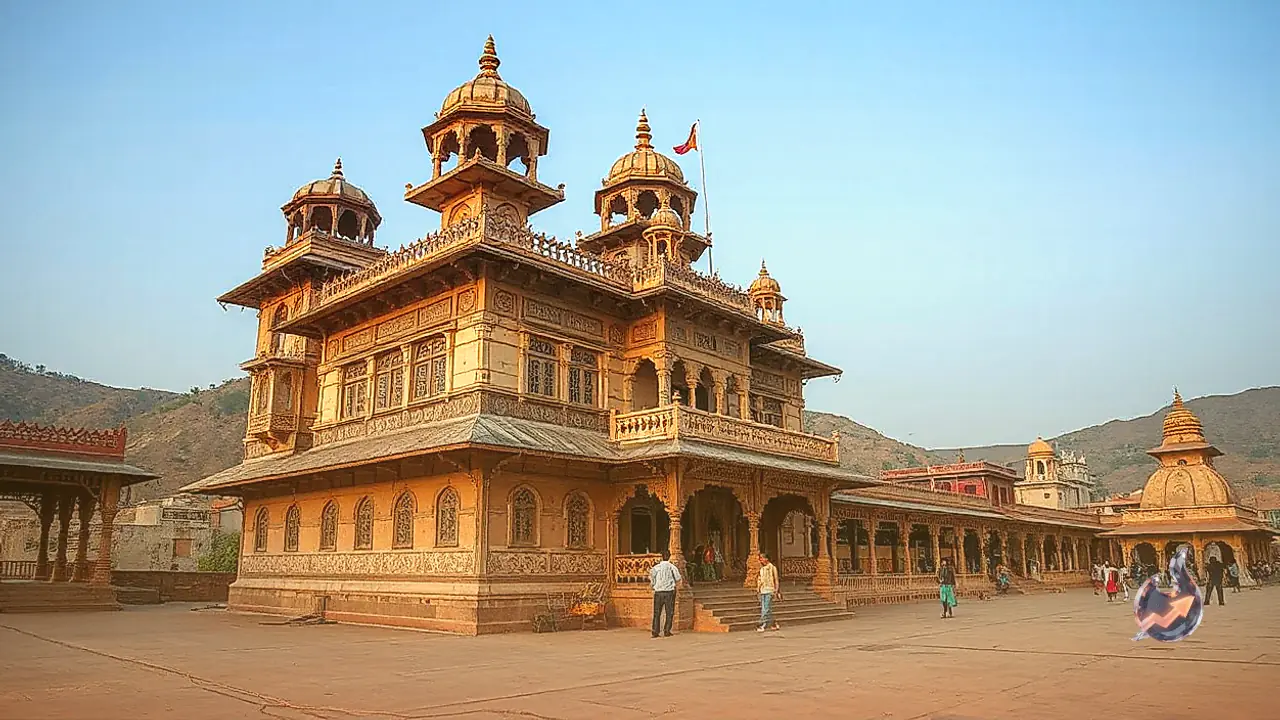














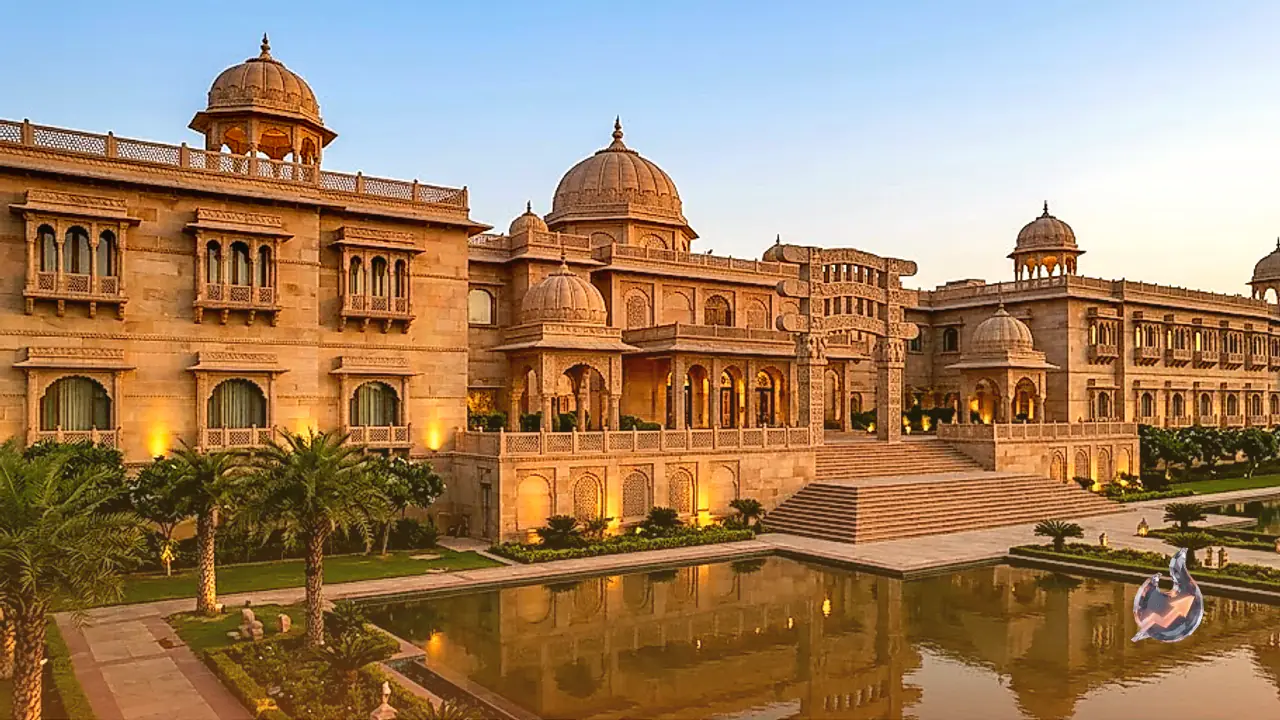

Located roughly 30 kilometres away from Gurugram, the historic Pataudi Palace remains one of the most prominent symbols of princely architecture in northern India. Spread across an expansive 10-acre estate, the majestic residence was constructed back in 1935. It was commissioned by the last ruling Nawab of Pataudi, Iftikhar Ali Khan, as a tribute to his wife. While the estate stood as the private home of the royal family for generations, it was leased out to the Neemrana Hotels group in 2005. Following the passing of his father, Nawab Mansoor Ali Khan Pataudi, actor Saif Ali Khan paid a substantial sum of 800 crore rupees to reclaim complete ownership of his ancestral property.
The Grand Scale of 150 Rooms and Neoclassical Heritage
The vast estate encompasses approximately 150 rooms designed to cater to luxurious living and elaborate entertaining. Among these spaces are 7 expansive bedrooms, 7 dressing rooms, and 7 billiard rooms, accompanied by grand dining and drawing halls. Renowned architect Robert Tor Russell shaped the structural aesthetics of the property, integrating geometric layouts that evoke classical European Neoclassical architecture. Intricate floral motifs embedded into the structure celebrate traditional Indian design, while framed archival photographs of the royal family lend an intimate, generational warmth to the interiors.
Checkered Marble Corridors and Curated Interiors
Wandering through the sweeping corridors of the palace reveals distinctive black and white checkered marble flooring that creates an immediate vintage appeal. The interior walls are finished in gentle, calming tones of yellow, white, cream, and subtle pastels, offering an airy atmosphere throughout the day. A dedicated vintage library houses historical literature and personal readings. In the primary dining area, sparkling crystal chandeliers, curated standing lamps, classic vases, and muted ambient lighting illuminate the space, with lush green plants positioned thoughtfully across corners to soften the regal framework.
Stupa Inspired Domes and Bespoke Craftsmanship
The private bedroom chambers are fitted with polished wooden floors and adorned with handcrafted wooden furniture alongside preserved antique decorative pieces. One of the most remarkable architectural achievements of the estate is its central dome mounted on stately pillars, an element inspired directly by the historic Sanchi Stupa. Soaring verandas with high ceilings, fine wood detailing, and exquisite pink Venetian chandeliers further enhance the palace's distinctive character.
Saif Ali Khan and Three Decades in Indian Cinema
Alongside maintaining his ancestral estate, Saif Ali Khan has charted a versatile path across the Hindi film industry. His on-screen journey began in 1993 with the feature film Parampara, soon followed by Aashik Aawara, which earned him early visibility. Although consistent box office success proved elusive throughout much of the 1990s, his comedic and action pairing with Akshay Kumar in Main Khiladi Tu Anari established him as a dependable commercial lead. The two actors recently reunited on screen in the film Haiwaan.
His nuanced performance in the multi-starrer family drama Hum Saath Saath Hain earned widespread appreciation from audiences. Subsequent projects including Dil Chahta Hai and Kal Ho Naa Ho significantly reshaped his cinematic identity, moving him into contemporary urban narratives. His portrayal of a charming romantic lead in Hum Tum won major commercial acclaim, while his dark, layered performance in Omkara marked a definitive turning point in his career, cementing his credentials as an actor of deep range.