


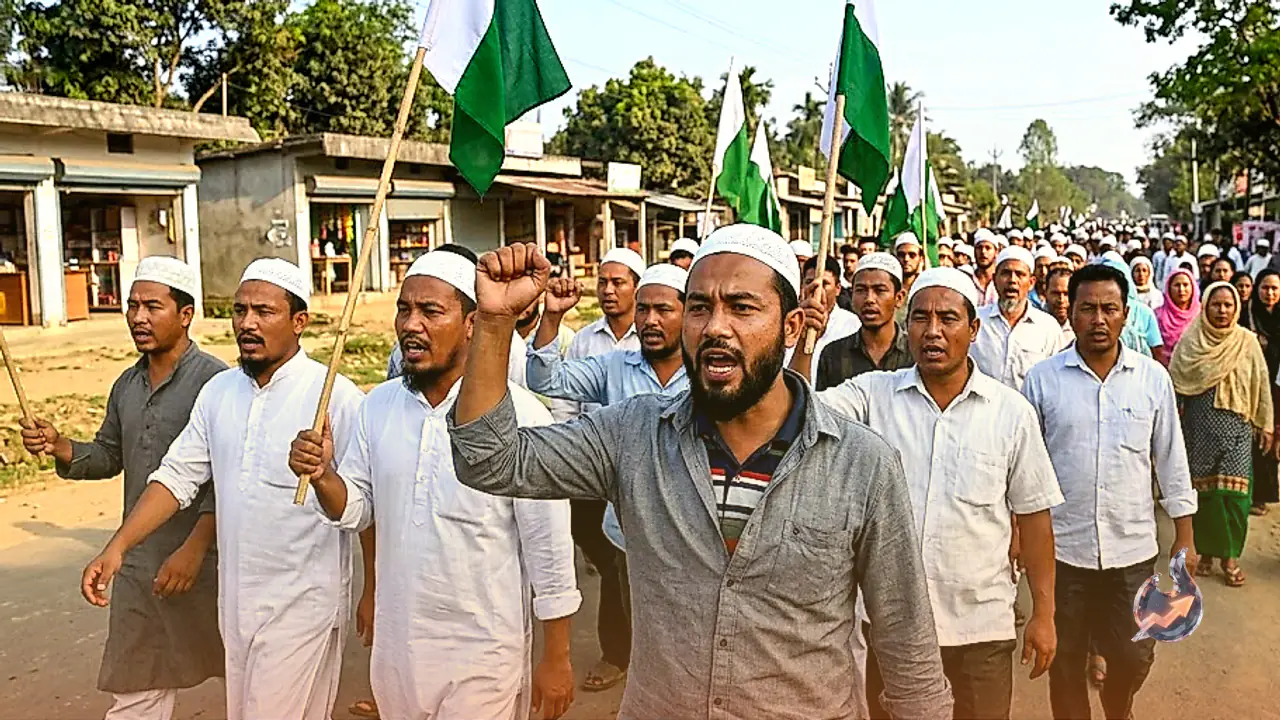















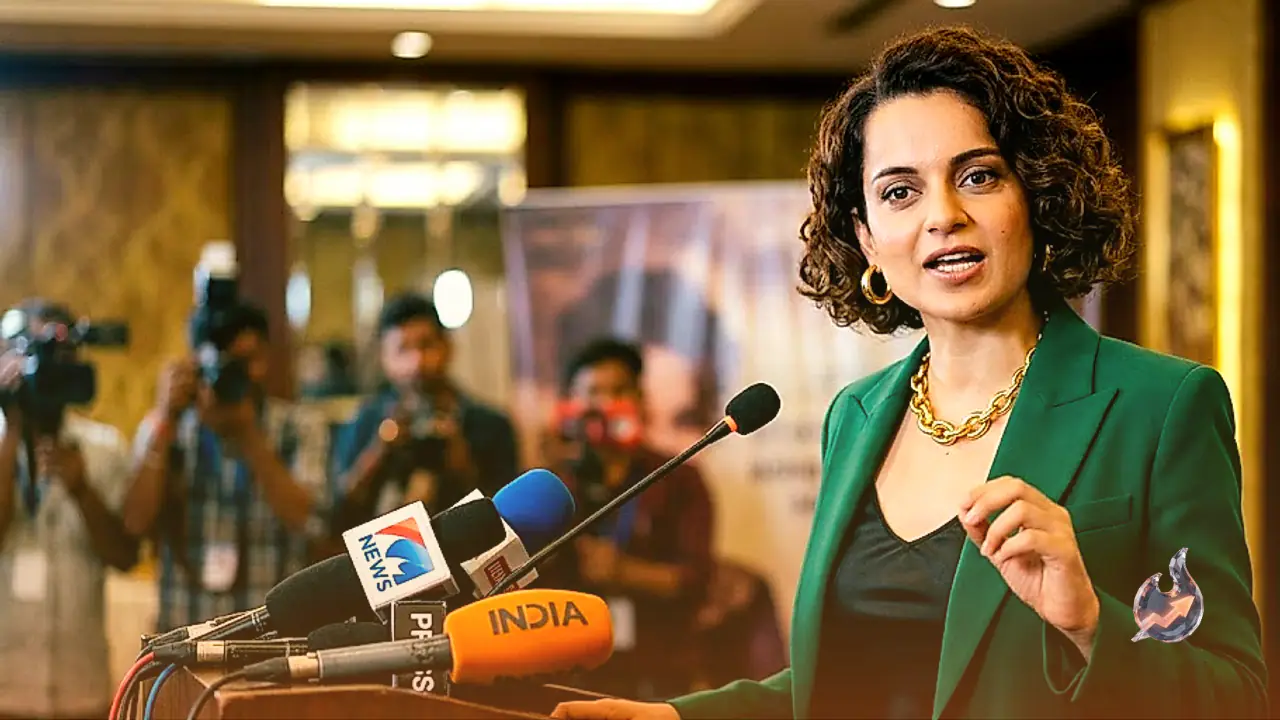

The ongoing debate surrounding the singing of stanzas beyond the first two lines of India's national song, Vande Mataram, has sparked a fresh exchange between public figures. Following actress Sharmila Tagore's recent remarks offering her perspective on the controversy, actress Kangana Ranaut voiced strong disagreement. Sharing a video clip of Tagore's commentary on social media, Ranaut criticized her approach to poetry and art, urging her to rise above religious divisions.
Questioning the Interpretation of Art and Poetry
In her social media post, Kangana Ranaut acknowledged Sharmila Tagore's right to register her objection regarding Vande Mataram, but expressed surprise that an actress would hold such a constrained and artificial view of creative work. Ranaut argued that writers and poets naturally employ diverse imagery and artistic symbols to evoke powerful emotions and achieve specific creative impacts. She emphasized that artistic expressions, especially those tied to national heritage, should not be evaluated through a narrow or superficial lens.
Historical Context of the Freedom Movement and Call for a Broader Mindset
Highlighting the historical significance of the song, Kangana Ranaut noted that Bankim Chandra Chattopadhyay composed Vande Mataram as an embodiment of the freedom struggle. She explained that the composition was intended to awaken the inner strength, patriotism, and resolve of countrymen during the independence movement. Addressing Tagore directly, Ranaut advised her to move past a "Hindu-Muslim mindset." She added that while she holds personal affection for Tagore, respects her, and has no issue with a warm hug from her, she finds it unfortunate when any religious framework restricts itself solely to a singular, patriarchal form of divine expression.
The Core Remarks Made by Sharmila Tagore
The exchange originated from an interview Sharmila Tagore gave to the news agency IANS regarding the Vande Mataram debate. Tagore pointed out that individuals who follow monotheistic belief systems find it difficult to recite lines that explicitly invoke specific deities, such as "Vande Kali" or "Vande Durga." To maintain inclusivity among India's diverse religious communities, Tagore suggested that sticking to the first two stanzas of the national song serves as a practical and unifying approach. It was this suggestion that prompted Ranaut's detailed social media reaction.