
















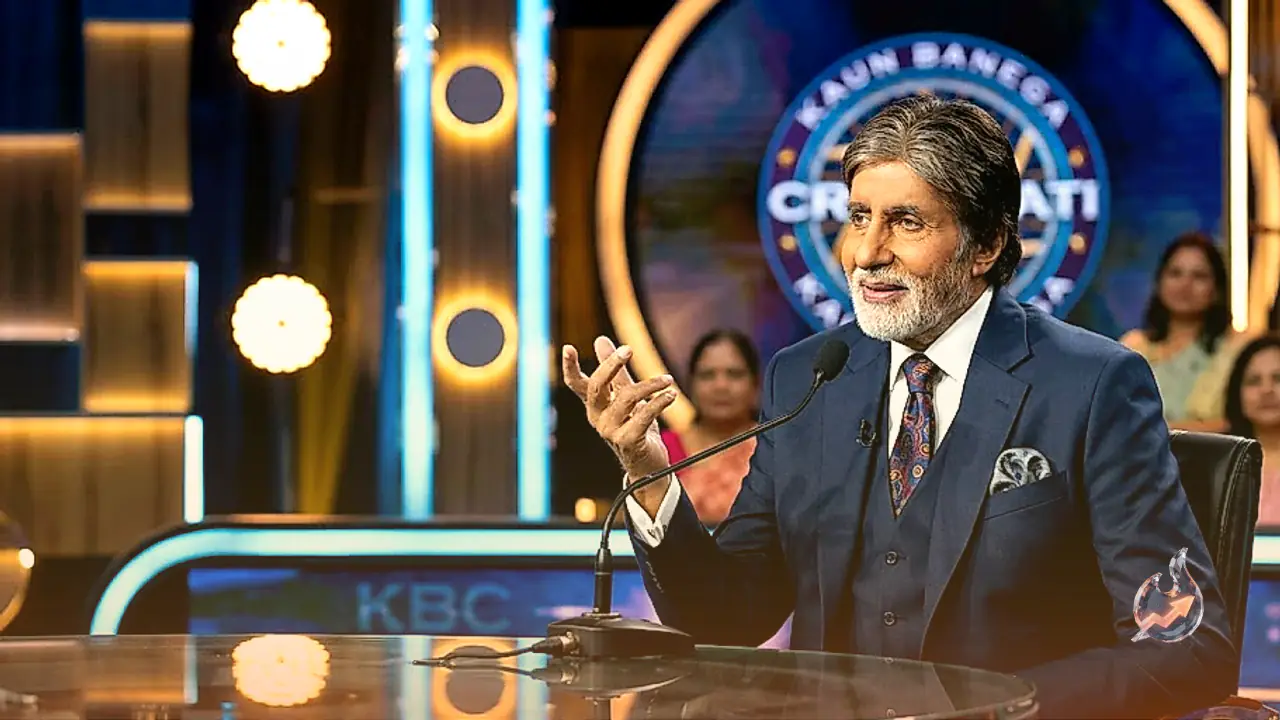

Veteran actor Amitabh Bachchan recounted a pivotal memory from his early days in Indian cinema during a recent broadcast of the quiz show Kaun Banega Crorepati 18. Interacting with a contestant on stage, the actor disclosed that when he first went looking for work in the film industry, producers were apprehensive that his tall frame might discourage leading ladies from acting alongside him.
A participant named Vinamra, whose grandfather was previously a film distributor, brought up Bachchan's famous long hair and prominent sideburns, remarking how that distinct look came to define his star image. In response, Bachchan explained that his long hair was not adopted as a fashionable aesthetic or a conscious trend, but rather as a deliberate adjustment during a very testing phase of his career.
The Dual Criticisms Raised by Filmmakers
Entering the entertainment industry as a newcomer, Bachchan was confronted with feedback that could have easily unsettled any aspiring performer. Filmmakers at the time pointed out two main issues. Their first concern was his towering height, with makers expressing doubt that any heroine would agree to be cast alongside him.
Their second critique centered on facial proportions, noting that his face appeared relatively small in comparison to his overall height. Realizing he needed to alter his physical presentation to secure roles, Bachchan took practical steps to make his face appear fuller and more balanced relative to his frame.
How a Practical Camouflage Turned into an Iconic Hairstyle
To give his face a broader look, Bachchan decided to grow his hair longer, allowing it to extend around the temples and sideburns. This adjustment softened the visual disparity and created the appearance of a fuller face. Ironically, the exact styling technique introduced simply to offset perceived flaws went on to become one of the most recognizable and imitated hairstyles in the history of Indian entertainment.
From Saat Hindustani to Stardom as the Angry Young Man
Bachchan made his Bollywood screen debut in 1969 with the film Saat Hindustani. While his work in those early cinematic outings earned polite appreciation, critical recognition alone did not immediately translate into substantial box-office momentum. He worked across multiple projects without landing the defining breakthrough required to cement his standing in the industry.
That dramatic turning point finally arrived with the 1973 film Zanjeer, where he portrayed an intense police inspector named Vijay. The film turned into a massive commercial triumph, establishing Bachchan as Hindi cinema's enduring 'Angry Young Man'. Following that milestone, he went on to star in landmark cinematic titles such as Deewaar, Sholay, Don, Amar Akbar Anthony, and Muqaddar Ka Sikandar, cementing his legacy in Bollywood history.