
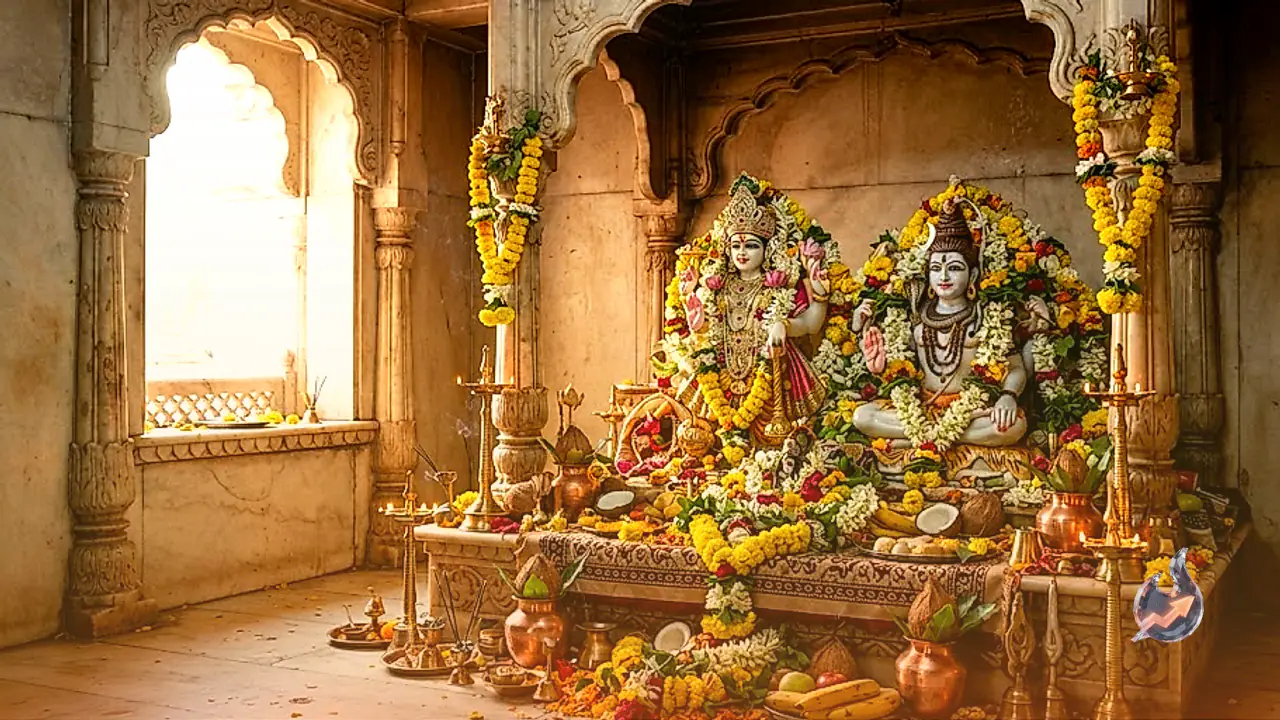


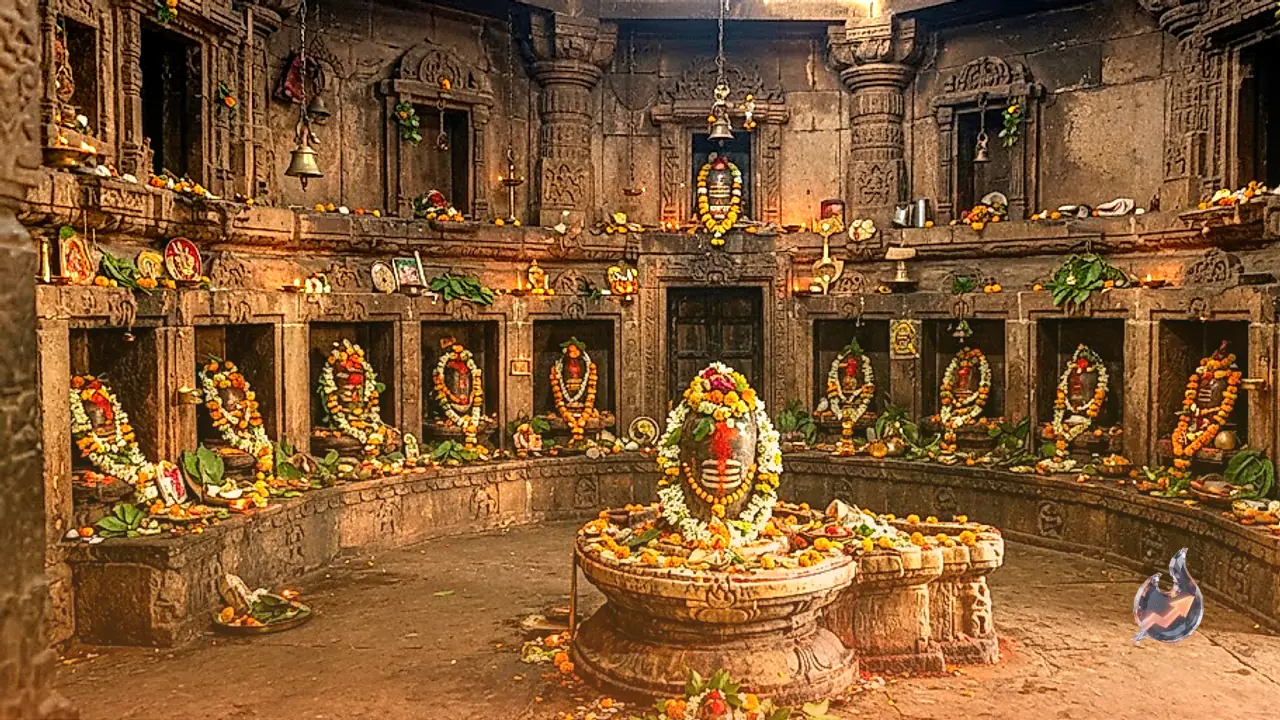















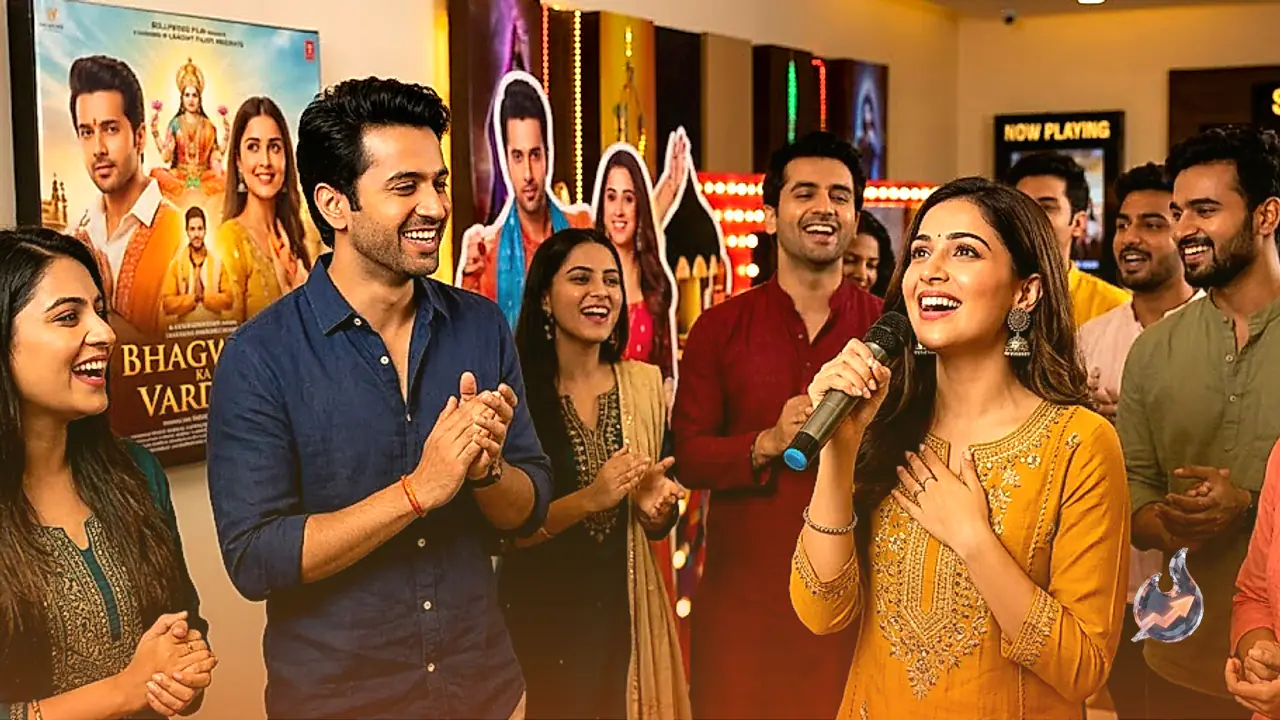

In the vast landscape of cinema, while a compelling narrative forms the foundation of any movie, it is often the music and soulful tunes that elevate a simple project into a cultural phenomenon. In recent times, the film Hanuman Anh, based on the life and teachings of Baba Neem Karoli, has captured the imagination of audiences, with its craze reaching unprecedented levels. Alongside the engaging storyline, skilled performances, and brilliant direction, the massive popularity of this movie is largely attributed to its spiritual tracks, notably the bhajan Maine Tere Hi Bharose Hanuman and Parvati, which features the striking refrain about Goddess Parvati determination. In today digital era, these tracks have spread like wildfire through social media platforms, YouTube Shorts, and short-video reels.
The Divine Magic That Rewrote Box Office Rules
The reception currently enjoyed by the devotional tracks of Hanuman Anh mirrors the unprecedented craze seen decades ago during the releases of iconic spiritual films or regional blockbusters. The primary bhajan of the film, Maine Tere Hi Bharose Hanuman, was originally rendered by Sunil Lodhi, a renowned visually impaired folk artist from the Bundelkhand region. Accompanied solely by his traditional tambourine, his raw and soulful delivery resonated deeply with listeners, turning the song into an internet sensation right after the movie release. Similarly, singer Sadhu Tiwari infused a distinct Bundeli folk flavor into the track Parvati, which narrates the unwavering penance and absolute resolve of Goddess Parvati to win Lord Shiva as her consort. This song quickly captured the hearts of the younger generation, trending widely across Instagram and other digital platforms.
When a Low-Budget Spiritual Drama Challenged Sholay
Looking back at the rich heritage of Indian cinema, the power of devotional music to propel a film to legendary status dates back decades. Released in 1975, Jai Santoshi Maa stands as one of the most remarkable achievements in cinematic history, created on a remarkably modest budget while going on to challenge the box-office juggernaut Sholay. The film powerful bhajans, led by Main To Aarti Utaroon Re Santoshi Mata Ki, connected directly with the masses and transformed the project into a massive blockbuster. At a time when classic action films dominated the cultural conversation, audiences from distant rural villages traveled in bullock carts just to reach urban theaters and watch the movie. Lead actress Anita Guha became so profoundly associated with the divine persona portrayed on screen that viewers began to worship her as an actual manifestation of the Goddess.
From Rajesh Khanna Classics to Nineties Romance
Beyond strictly spiritual themes, mainstream Bollywood cinema has repeatedly witnessed how profound musical scores can immortalize a film and its characters. In the 1983 drama Avatar, starring veteran actors Rajesh Khanna and Shabana Azmi, the tremendous commercial success was heavily anchored by the timeless devotional hymn Chalo Bulawa Aaya Hai, Mata Ne Bulaya Hai alongside Kishore Kumar classic rendition of Yeh Saari Duniya Hai Aati Jaati. Even decades after its theatrical run, the former track remains an indispensable staple at religious gatherings, jagratas, and festive celebrations across the country. Years later, the 1990 romantic drama Aashiqui achieved blockbuster status primarily because director Mahesh Bhatt conceived the entire narrative around an evergreen musical score. The track Dheere Dheere Se served as a major unique selling proposition, while romantic melodies like Nazar Ke Samne Jigar Ke Pass reached households via audio cassettes long before the film even premiered in theaters, compelling audiences to flock to cinema halls.
Transforming Celebrations and Cultural Landscapes
As the film industry evolved into the 1990s and beyond, soundtracks continued to redefine cultural milestones and everyday celebrations. The 1994 family drama Hum Aapke Hain Koun introduced chart-topping numbers like Dede Tera Dewar Deewana, Pehla Pehla Pyar, and Joota De Do Paise Le Lo, which completely reshaped the atmosphere of traditional Indian weddings and festive events. The unprecedented sales of audio cassettes and compact discs ensured that the film promotion reached every corner of the nation. Similarly, the 2006 release Vivah arrived during an era when pop and remix tracks dominated the music scene, yet it charmed audiences with its classical purity and profound simplicity. Songs like Milan Abhi Aadha Adhura Hai, Mujhe Haq Hai, and Do Anjane Ajnabee beautifully captured the delicate hesitation and budding attraction between the protagonists, while Radha Krishnan Ki Jyoti Alaukik provided a spiritual anchor for the entire narrative. In recent years, Rishab Shetty Kannada blockbuster Kantara demonstrated the exact same cultural phenomenon, where the powerful track Varaha Roopam not only drove audiences to theaters in droves but also introduced the traditional coastal folk art of Bhootha Kola to a global audience through a deeply emotional and divine musical connection.