


















In an era where mythological epics are mounted with astronomical budgets and hyper realistic visual effects, reflecting on the infancy of Indian cinema reveals an astonishing chapter of creative grit and devotion. The year 1917 was a watershed period when moving pictures could not speak, yet they managed to cast an indelible spell across audiences. Revered as the father of Indian cinema, Dadasaheb Phalke etched history by bringing the monumental Hindu epic Ramayana to the silver screen for the very first time. Titled Lanka Dahan, this silent marvel went on to rewrite the cultural and commercial landscape of storytelling in India.
Building on the Groundbreaking Milestone of Raja Harishchandra
Dhundiraj Govind Phalke, globally celebrated as Dadasaheb Phalke, had laid the foundation stone of Indian feature filmmaking in 1913 with Raja Harishchandra. Riding high on that monumental triumph, he sought a narrative that resonated deeply with the Indian ethos. In 1917, he embarked on the ambitious task of adapting one of the most thrilling episodes of the Ramayana, specifically the heroic act where Lord Hanuman sets the golden city of Lanka ablaze. This venture highlighted not only Phalke's technical ingenuity but also his profound reverence for Indian mythos, permanently defining the mythological film genre in the country.
The Silent Canvas Where Gestures and Expression Reigned Supreme
While contemporary blockbusters rely heavily on thunderous punchlines, background scores, and musical numbers, Lanka Dahan existed in a silent universe without recorded audio. The story unfolded without a single spoken line, utilizing intertitle cards inscribed in English, Marathi, and Hindi to guide viewers through the unfolding scenes. Even without sound, the actors articulated depth through physical mannerisms, precise posturing, and intense facial expressions. The sheer visual grandeur and emotive power of the storytelling bridged the barrier of silence, lodging the sacred epic straight into the hearts of spellbound spectators.
Anna Salunke's Historic Dual Role Across Gender Lines
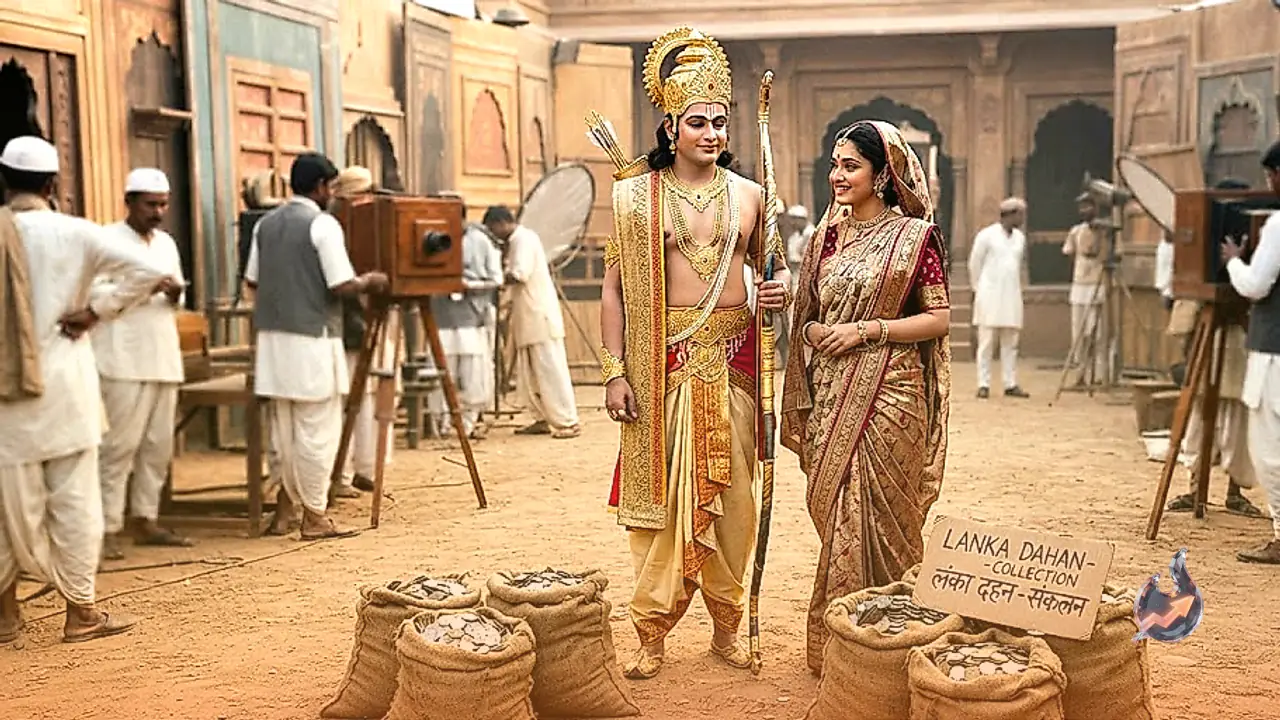
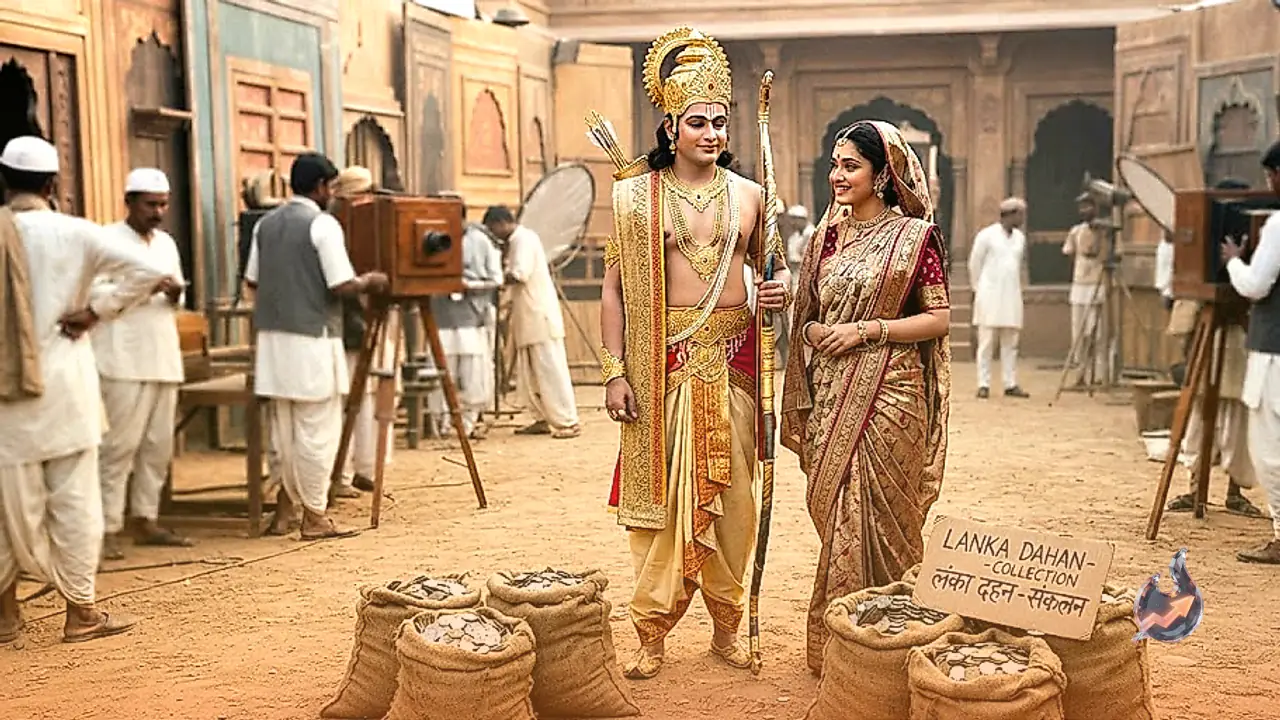
One of the most fascinating aspects of Lanka Dahan lies in its unconventional casting process. During the early twentieth century, rigid societal taboos strictly barred women from performing on stage or before the motion picture camera. Facing an absolute absence of female performers, Dadasaheb Phalke engineered an extraordinary solution by casting a male actor in both pivotal lead roles. Anna Salunke was selected to embody Lord Ram while simultaneously portraying Goddess Sita. Salunke performed both characters with supreme dignity and nuance, earning the unique distinction of becoming the first actor in Indian cinema history to portray both the lead hero and the lead heroine in a single production.
Crafting Miraculous Visual Tricks on Primitive Celluloid
Operating during an era characterized by primitive equipment and negligible infrastructure, Phalke utilized sheer inventiveness to design optical effects that astounded the public. The sequence where Hanuman leaps into the sky and ignites Lanka was achieved through ingenious in-camera techniques, double exposure, and meticulous manual cutting. Long before the advent of computer-generated imagery, this visual depiction of leaping flames and divine flight appeared nothing short of a miracle. Phalke struck an immaculate equilibrium between dramatic tension and thrilling action, cementing his standing as a master technician of silent cinema.
Unprecedented Crowds and Collections Hauled in Gunny Bags
The euphoria surrounding Lanka Dahan completely shattered existing box office benchmarks. Because movie halls were scarce outside major urban hubs, rural devotees walked barefoot for miles to experience the divine drama. Crowds overwhelmed ticket counters to such a degree that theatre operators were inundated with massive piles of copper and silver coins. With no time left between sold-out shows to count the proceeds, theatre owners routinely stuffed the earnings into heavy gunny sacks to transport them safely. The monumental financial return empowered Phalke's production enterprise and proved unequivocally that Indian audiences held an insatiable appetite for homegrown mythological narratives.
When Cinema Halls Turned into Sanctuaries of Devotion
In the Indian consciousness, the Ramayana represents far more than an ancient literary chronicle; it is the cornerstone of collective spiritual reverence. Lanka Dahan marked the first occasion where audiences could witness their revered deities moving before their eyes. When images of Lord Ram, Lakshman, and Hanuman graced the screen, spectators routinely abandoned their status as mere moviegoers and broke into spontaneous prayers with folded hands. In numerous venues, patrons reverently removed their footwear outside the theatre doors prior to entering the hall, treating the screening venue exactly like a sanctified temple. Lanka Dahan transformed cinema from a novel commercial diversion into a sacred cultural experience, initiating an artistic tradition that echoes in Indian popular entertainment to this day.