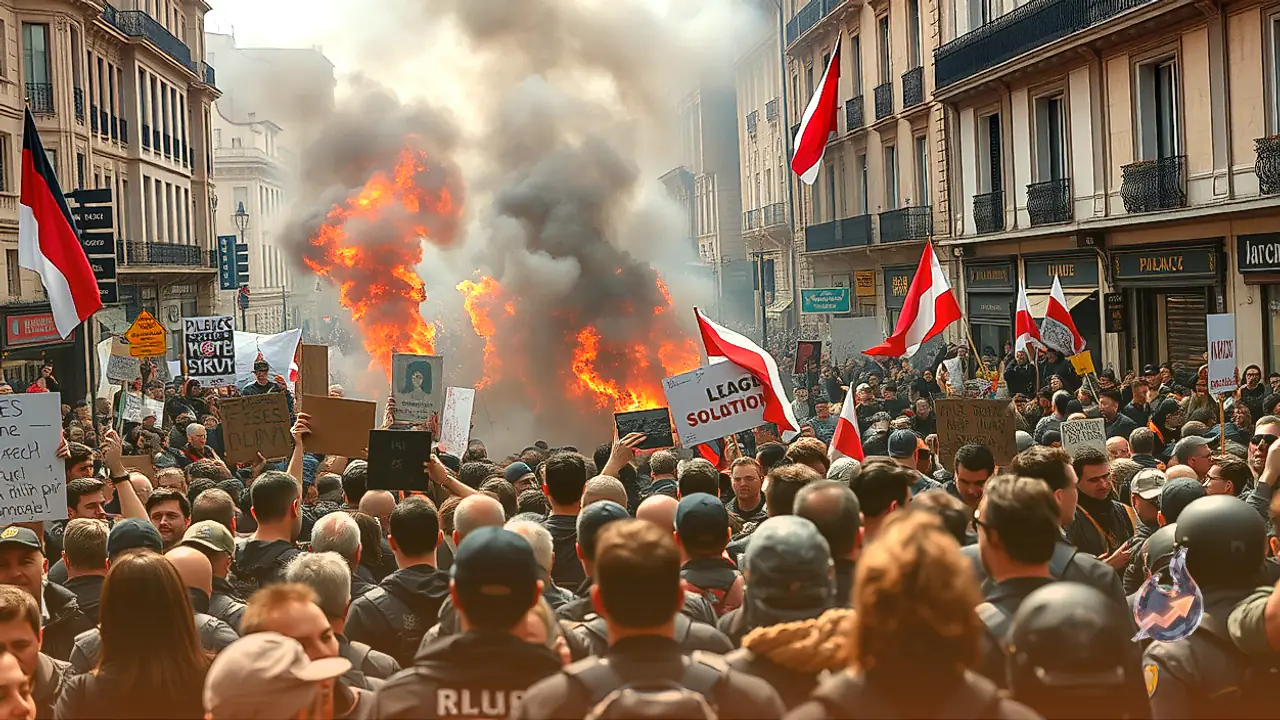

















A severe governance crisis has gripped France after a weekend marked by extensive rioting, arson, and widespread looting, representing some of the most intense public disorder in the nation's contemporary history. In response to the escalating turmoil, Prime Minister Sébastien Lecornu convened an urgent cabinet crisis meeting on Monday to evaluate the nationwide damage and review security shortcomings. The explosion of unrest has laid bare deep-seated social anger and left authorities scrambling to restore stability.
Peaceful Marches Hijacked by Widespread Mayhem
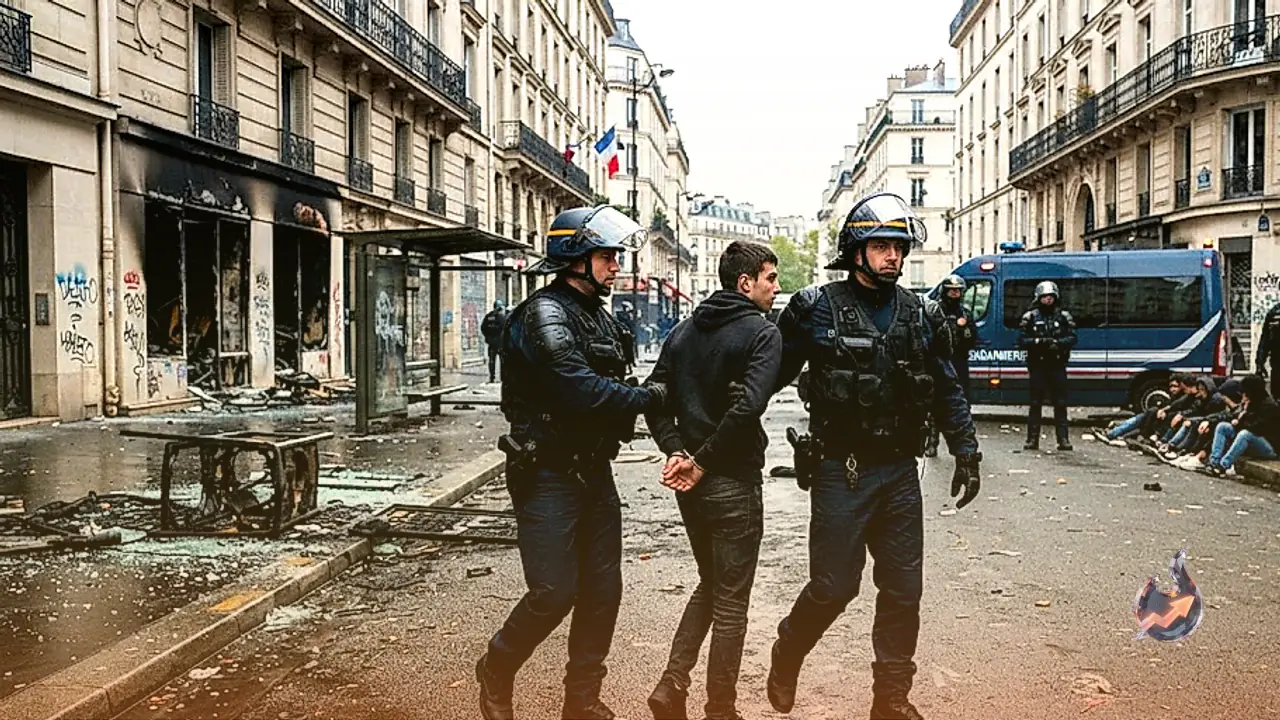
The turmoil originated on Saturday, when more than 500,000 demonstrators mobilised across French cities. The vast majority gathered peacefully to protest against the crushing cost of living and the steady decline of state services, particularly the diminishing quality of public education. However, the civic demonstration deteriorated rapidly once groups of masked vandals dressed entirely in black infiltrated the gatherings and initiated coordinated attacks against public and private infrastructure.
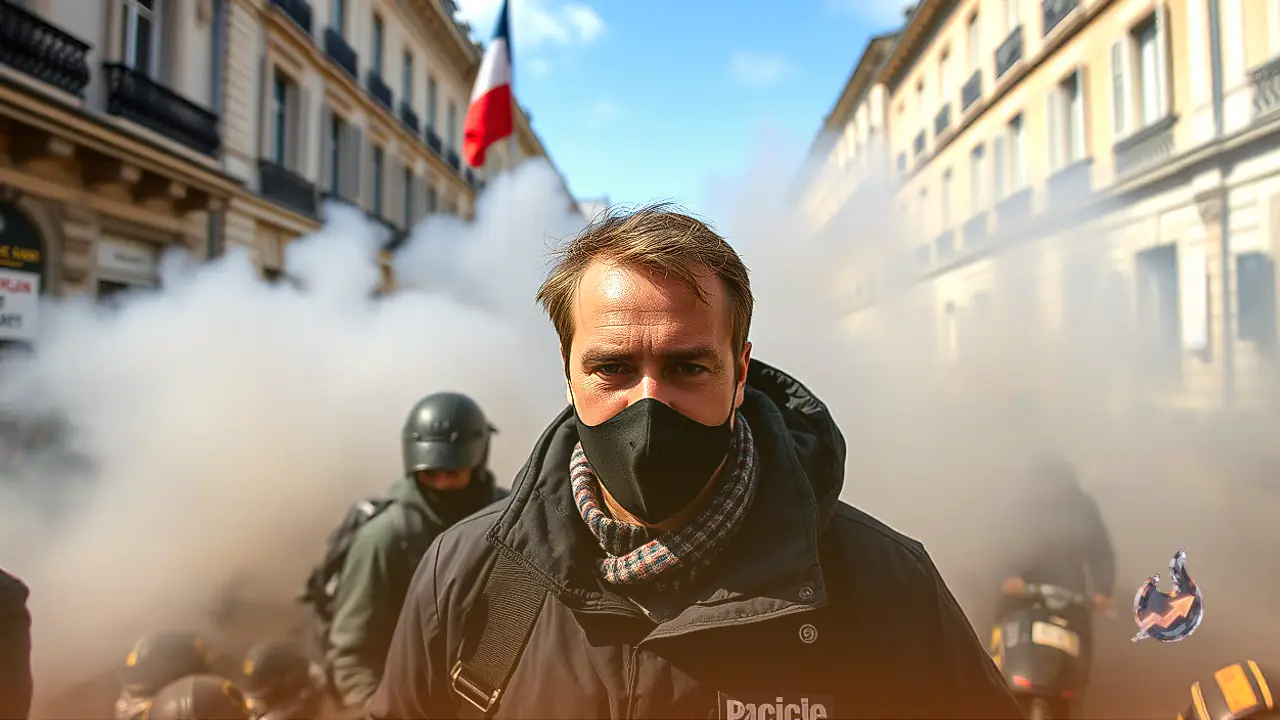
During the chaos, an estimated 1,500 retail outlets and commercial enterprises were systematically raided, trashed, and burned. Confronting severe unrest, riot police deployed tear gas, used water cannon to push back aggressive crowds, and wielded batons across multiple flashpoints. According to data released by France's interior ministry, roughly 1,000 law enforcement officers sustained injuries during Saturday's clashes, with seven personnel suffering grave wounds. Landmark heritage sites were not spared; vandals defaced the central Paris monument Statue de la Republique, and local town halls were set on fire, drawing profound distress from local residents. Along a corridor of smashed storefronts in Paris on Sunday evening, red spray paint declared that dark times had fallen upon the city of light.
Backlash Over Macron's National Address and Security Lapses
Amid the spiralling volatility, rumours circulated across France that President Emmanuel Macron might impose localized curfews or formally declare a state of emergency to quell the disorder. Ultimately, Macron opted against exceptional security powers, delivering a televised address to the nation on Sunday evening instead. In his speech, he appealed for civic unity and pledged that every perpetrator of vandalism and criminal destruction would face legal consequences.
Nevertheless, the president's remarks triggered immediate dissatisfaction across social media networks and the political spectrum, with critics citing a glaring absence of practical measures. Observers questioned how lawbreakers will effectively be held accountable, how urban centres will be secured against upcoming rallies, and how affected business owners will receive compensation. Others pressed the administration on when constructive negotiations would open with educators and student bodies. Echoing the growing demand for answers, Yaël Braun-Pivet, the president of France's lower house of parliament, announced her intention to initiate an official legislative inquiry into the weekend's security lapses and chain of events.
Pre-Election Rivalries Amid Legislative Paralysis
Trade union leaders have taken direct aim at executive leadership. On Sunday, CGT union Secretary General Sophie Binet asserted that Macron had utterly ignored the urgent pleas of students, the pressures of daily inflation, and the ongoing deterioration of vital public services. While the president appeared to pass the operational burden to Prime Minister Lecornu, both the prime minister and his interior minister face intense criticism from citizens and parliamentarians for being drastically unprepared and failing to deploy adequate security contingents ahead of Saturday's scheduled rallies.
This civil unrest arrives at a particularly vulnerable political juncture. France's parliament remains deadlocked, fractured among three uncompromising ideological factions that impede stable governance. With the presidential election scheduled in six months, Macron is increasingly regarded as a departing figure with waning authority. Political contenders from both extremes are actively capitalising on the national turbulence: Marine Le Pen of the anti-immigration nationalist right and Jean-Luc Melenchon of the anti-capitalist left are aggressively battling for public attention.
This political opportunism has stoked bitter cynicism among ordinary citizens. Edouard, a local teacher and parent of three, expressed deep frustration that political figures are using public peril as a convenient football ahead of the presidential race while citizens worry about basic physical safety. Government figures attributed the violence squarely to radical far-left agitators and criminal elements. Conversely, Melenchon accused the state of blatant incompetence, while Le Pen published a presidential-style video in front of the national flag, lambasting what she described as an exhausted, disoriented administration running completely out of steam.
Fiscal Tightrope and Threats of Renewed Unrest
Compounding the security and governance breakdown is a looming economic dilemma. Sovereign bond markets and institutional investors are exerting immense pressure on Paris to rein in its ballooning public debt. However, policymakers find themselves hemmed in: enacting strict austerity measures, curtailing social welfare, or cutting public services risks driving even larger masses of enraged citizens onto the boulevards.
Security officials anticipate a brief lull over the coming fortnight as secondary school and university students begin their scheduled half-term recess on Monday. Yet that pause is expected to be short-lived. A coalition of major labour federations alongside factions from the gilets jaunes (yellow vest) movement, which staged protracted protests throughout 2018 during Macron's initial mandate, have formally called for massive demonstrations on 5 November. With systemic economic grievances unresolved and deep political polarization entrenched, France faces an exceedingly precarious road ahead.