





















Ukrainian President Volodymyr Zelensky announced in Oslo that the operational sharing of US military intelligence covering lethal Russian missile strikes has returned to functional status after direct consultations with Steve Witkoff, the special envoy representing President Donald Trump. The high-stakes engagement hosted in Norway follows sharp grievances previously voiced by Kyiv regarding withheld military intelligence, an allegation that US Secretary of State Marco Rubio had denounced as scandalous.
Progress in Peace Frameworks and the Oslo Summit Dynamics
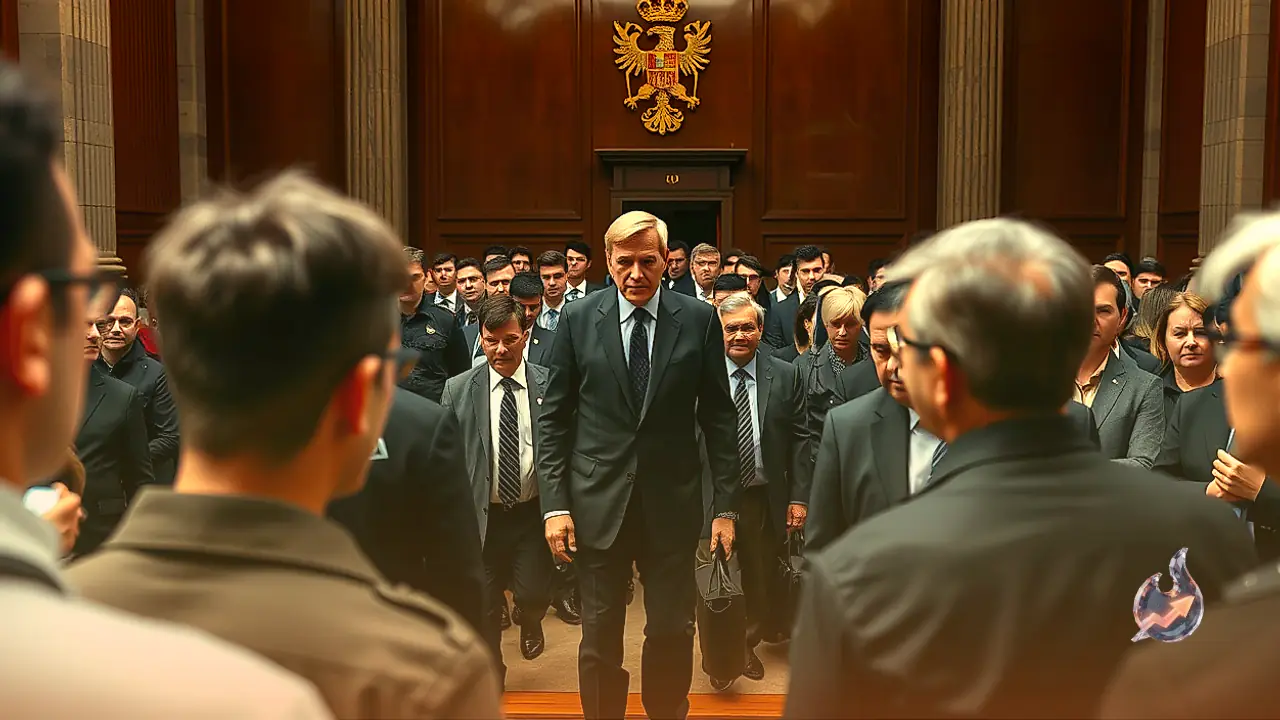
The diplomatic sessions in the Norwegian capital included the participation of Finnish President Alexander Stubb, who observed that genuine headway had been achieved regarding proposals aimed at securing peace. President Stubb refrained from outlining specific terms and cautioned that patience remains essential as the framework develops. Both the Ukrainian administration and allied European nations maintained that the responsibility to address the terms formulated in Oslo now lies directly with Moscow, as Witkoff travels to St Petersburg on Wednesday to present the package.
Witkoff did not attend the joint press briefing following Tuesday's consultations in Oslo. Concurrently, Jared Kushner, Donald Trump's son-in-law and a central envoy, took part in the negotiations remotely via video link. While Russian President Vladimir Putin has not offered public remarks on the latest diplomatic movements, Russian Foreign Minister Sergei Lavrov stated that the Kremlin intended to examine the proposals Witkoff brings forward, though he firmly ruled out any political concessions from Moscow.
Strained Kyiv-Washington Ties and White House Pressure
Diplomatic friction between Ukraine and the United States has escalated noticeably over recent weeks. The strain reached a level where Donald Trump publicly suggested that it was time for Ukraine to elect a new leader, and remarked more recently that another figure should step in to negotiate on behalf of the nation.
Following the press conference delivered by Zelensky in Oslo, Donald Trump addressed reporters gathered at the White House, reiterating his demand for Kyiv to conclude an agreement. Trump stated that Russia was eager to finish the process and declared that the time had arrived for Ukraine to bring the conflict to a close. Vladimir Putin initiated the full-scale invasion of Ukraine in 2022, and Russian forces currently occupy roughly 20% of Ukrainian territory.
Deadly Drone Strikes Across Ukrainian Municipalities
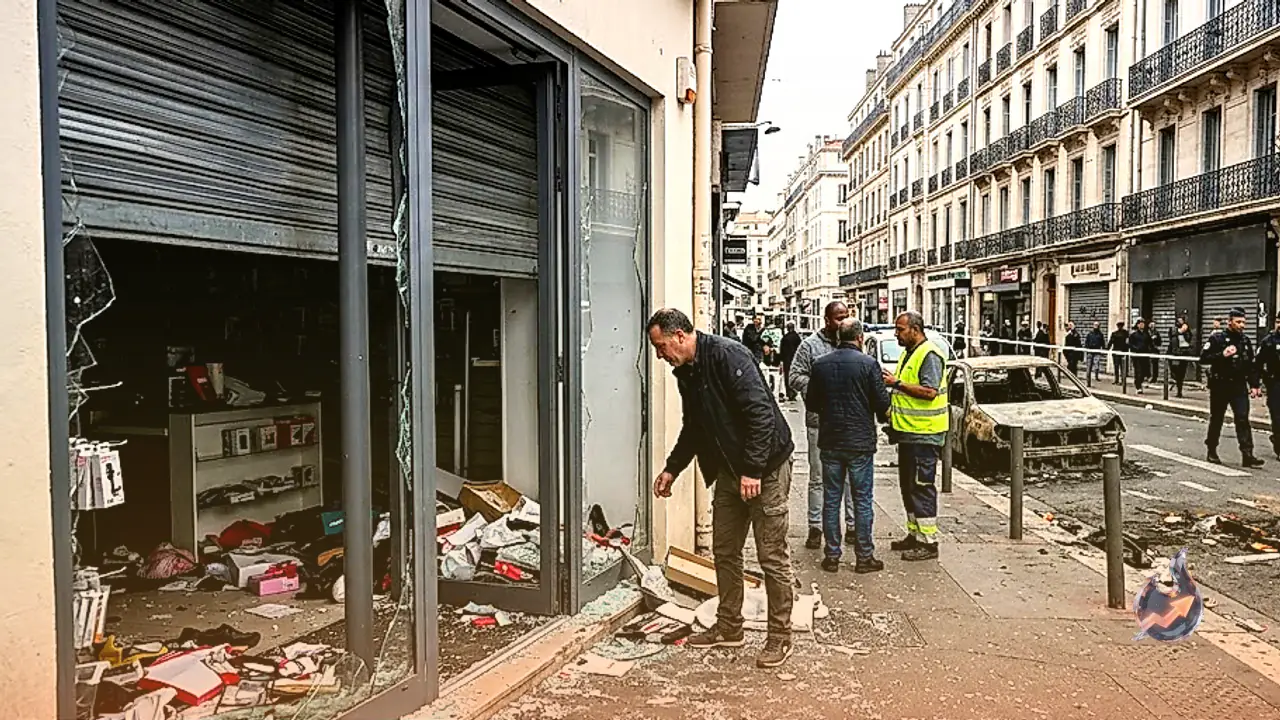
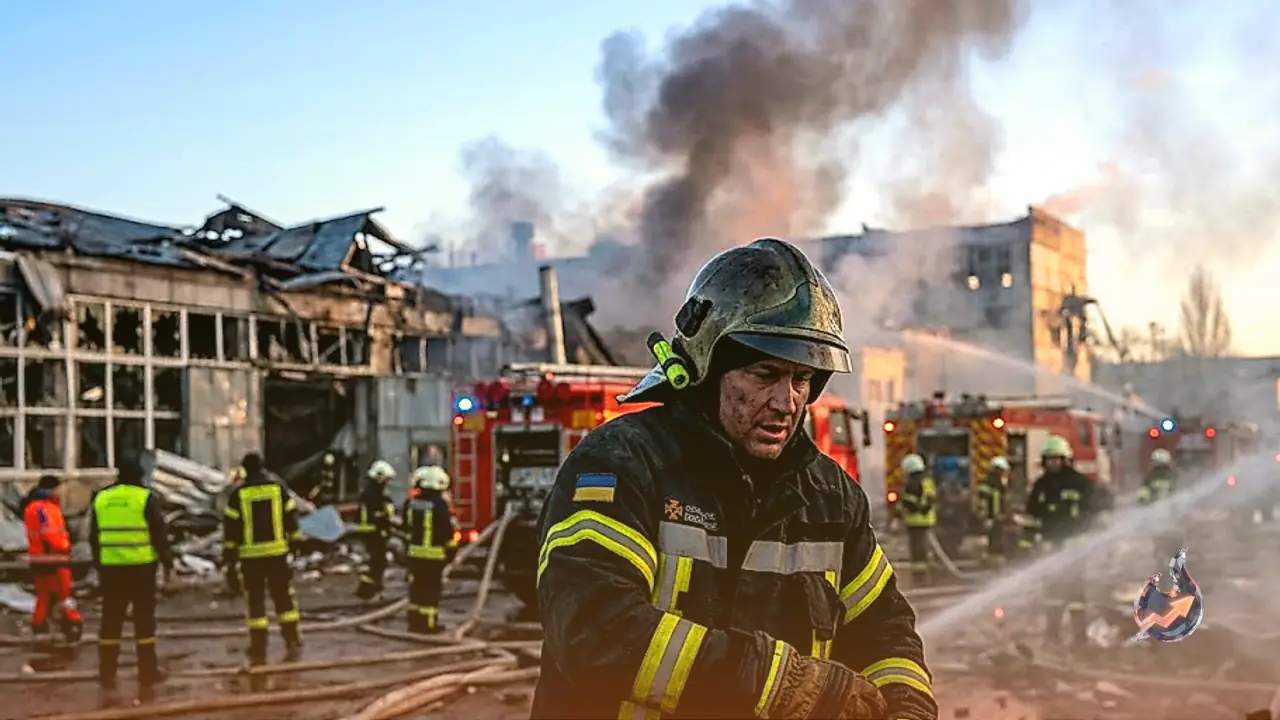
Even as envoys gathered for peace discussions, Russian drone bombardments persisted across Ukrainian population centres on Tuesday. Government officials confirmed that the strikes claimed at least 10 civilian lives across multiple regions. Specifically, four individuals were killed in Kyiv and the surrounding capital territory, four victims died in the eastern Donetsk province, and two residents were killed in the central city of Dnipro.
Prior to conducting their closed-door meetings in Oslo, envoy Witkoff, Finnish President Stubb, and Zelensky met to coordinate the agenda aimed at addressing battlefield realities and regional stability.
Restoration of Air Defence Alerts and Satellite Infrastructure
Reflecting on the resolution of the intelligence impasse after Tuesday's diplomatic talks, Zelensky expressed relief regarding the restored flow of tactical information. Highlighting the vital necessity of air raid notifications, the Ukrainian leader stated,
"Speaking about early warning, which is very important for our people, our children, adults, civilians because we can hear when ballistic[s] is coming - so we are thankful to American side, now it works, it's great,"
Zelensky further noted his anticipation of a favourable resolution concerning SpaceX's Starlink communication network. Ukrainian military units had recently flagged bandwidth and speed restrictions on the US satellite service, which plays an essential role in directing Ukrainian drone strikes into Russian territory. At the same time, the Ukrainian president reiterated his readiness to engage in formal discussions to conclude hostilities, observing,
"Of course, we are not losing this war, but we are losing people because Russia attacks,"
Discussions in Oslo also covered the establishment of robust security guarantees for Ukraine alongside proposals targeting an energy-sector ceasefire. Norwegian Prime Minister Jonas Gahr Støre, who took part in the multilateral talks, emphasized that European governments must retain an active place at the negotiating table throughout all efforts to resolve the conflict.
Prior Channels and the Political Impact of Refinery Strikes
Accompanying Zelensky to the Oslo summit were Ukrainian intelligence head Rustem Umerov and prominent parliamentary figure Davyd Arakhamia. Both officials had previously travelled to Miami earlier in the month to conduct preparatory talks with Witkoff and Kushner. During earlier disruptions in Western coordination, Zelensky had sardonically characterized the strategic lapses as a pleasing birthday present for Vladimir Putin.
With US midterm elections approaching next month, Donald Trump has openly attributed climbing domestic fuel costs to Ukraine's ongoing strikes against Russian crude oil refineries, coming amidst broader price pressures following the US-led war on Iran.
Ahead of the summit in Norway, Zelensky noted having held productive discussions with Marco Rubio regarding early missile warnings, interceptor ammunition supplies, and Starlink operational stability. Reports circulating earlier Tuesday suggested that fresh deliveries of US-produced Patriot interceptor missiles, which represent Ukraine's only dependable defensive weapon against ballistic strikes, had not yet cleared administrative authorization.
Speaking during an official visit to India, Rubio conceded to journalists that shipments of Patriot interceptors might not yet have reached Ukrainian soil, though he insisted that the United States had not deliberately withheld any military materiel from Kyiv.
European Apprehension and Conflicting American Priorities
Statements originating from Washington regarding Russia and military assistance have triggered considerable anxiety among European leadership. German Chancellor Friedrich Merz pointed to conflicting signals and mixed messaging surrounding the conflict, remarking that he was actively working to persuade the American administration to treat the resolution as a joint responsibility. Discussing the financial commitment required to sustain support, Merz told Bloomberg TV,
"It's really a big effort for our budgets, it's really a big thing for the European Union, but we are doing that and we are trying to keep on doing that until this terrible war ends,"
Contrasting views within the US leadership were articulated on Monday by US Vice-President JD Vance. When queried on whether Ukraine qualifies as an official ally of the United States, Vance characterized Kyiv as a selective partner with whom Washington holds divergent priorities, specifically citing Ukraine's bombardment of Russian energy installations.
Vance further detailed his perspective on defense commitments by saying,
"We don't have a formal alliance as far as I know with Ukraine. They're not in Nato, I don't think they should be in Nato... we're gonna work together on some things, but also we're going to be opposite on some things too,"This friction highlights that while intelligence cooperation has been restored, foundational disagreements persist regarding alliance commitments, energy targeting, and peace conditions.