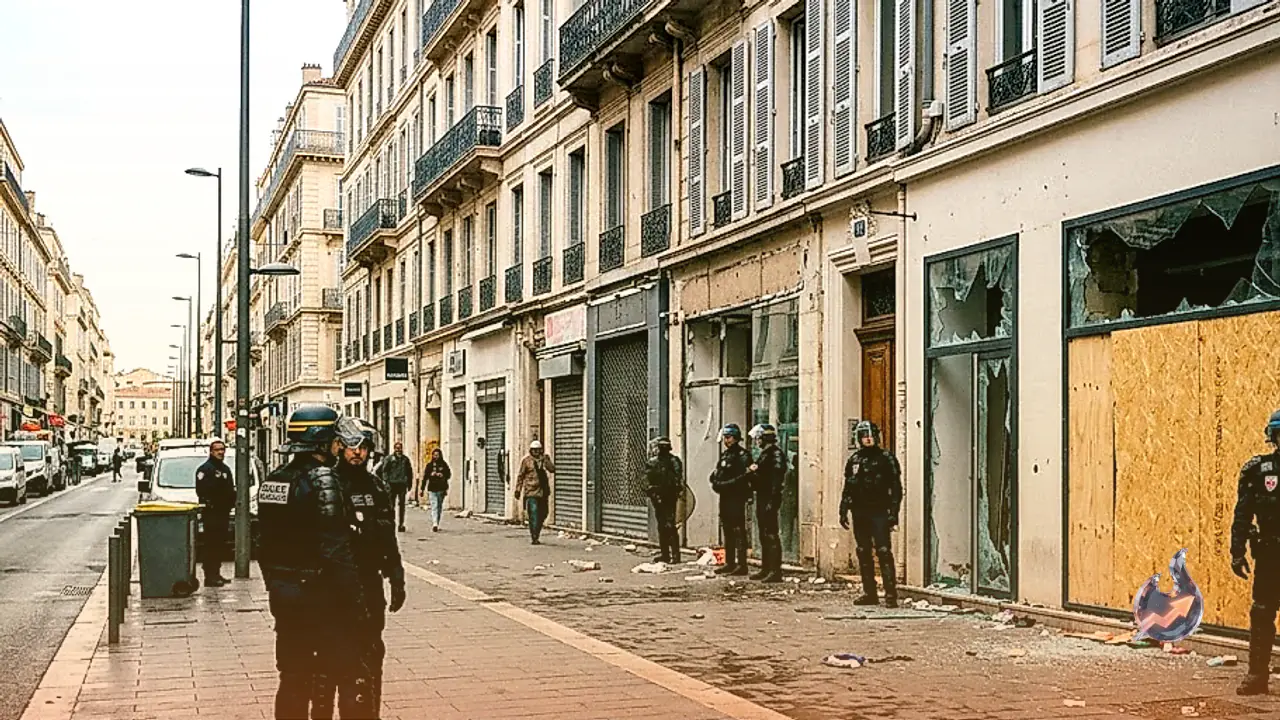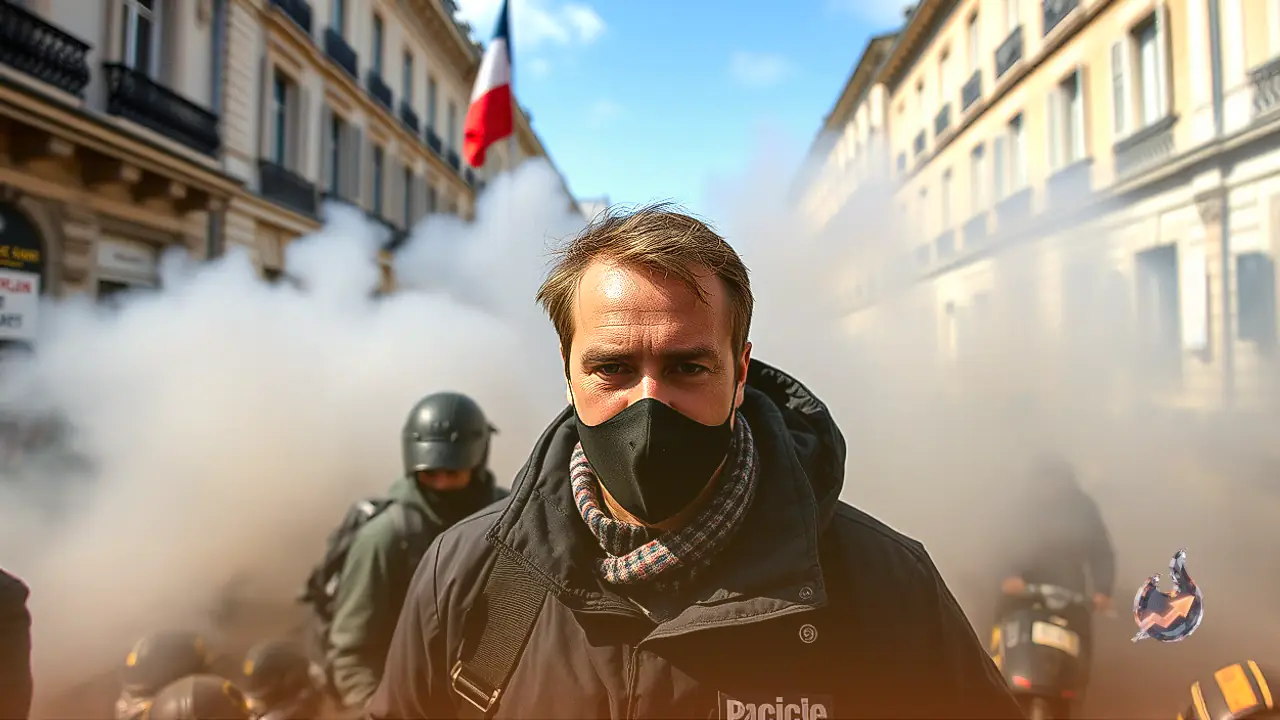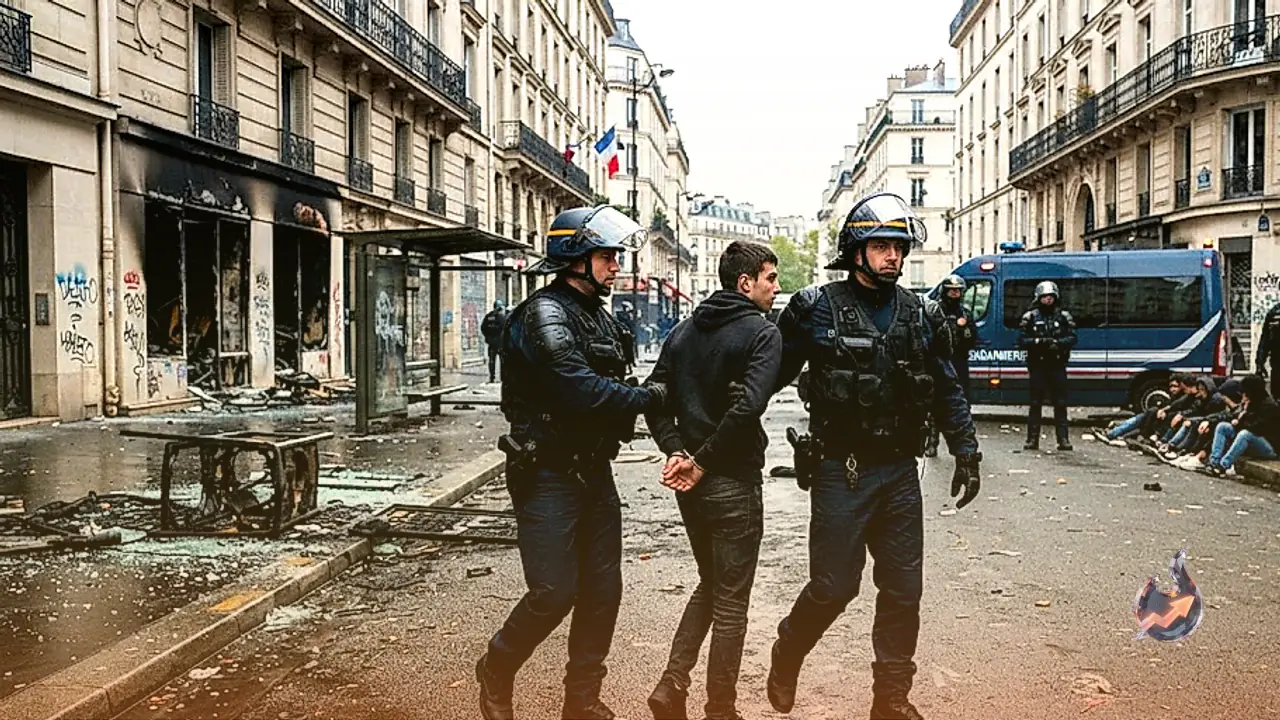

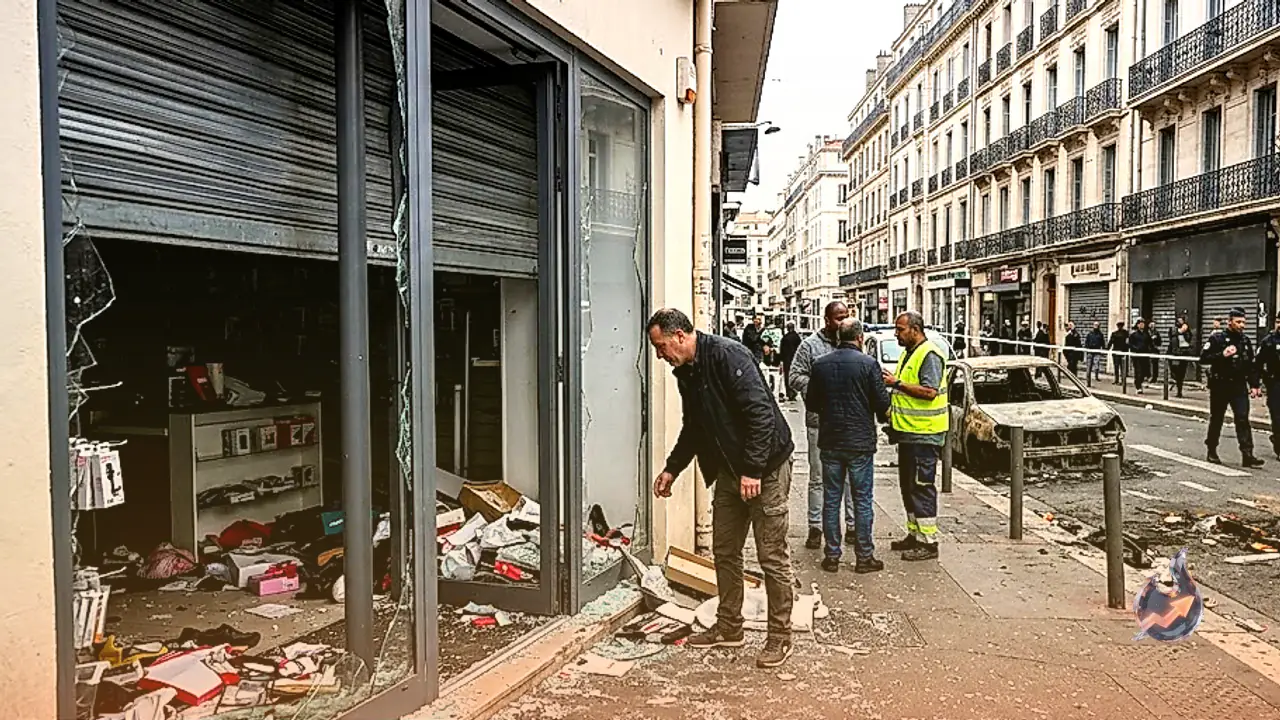
















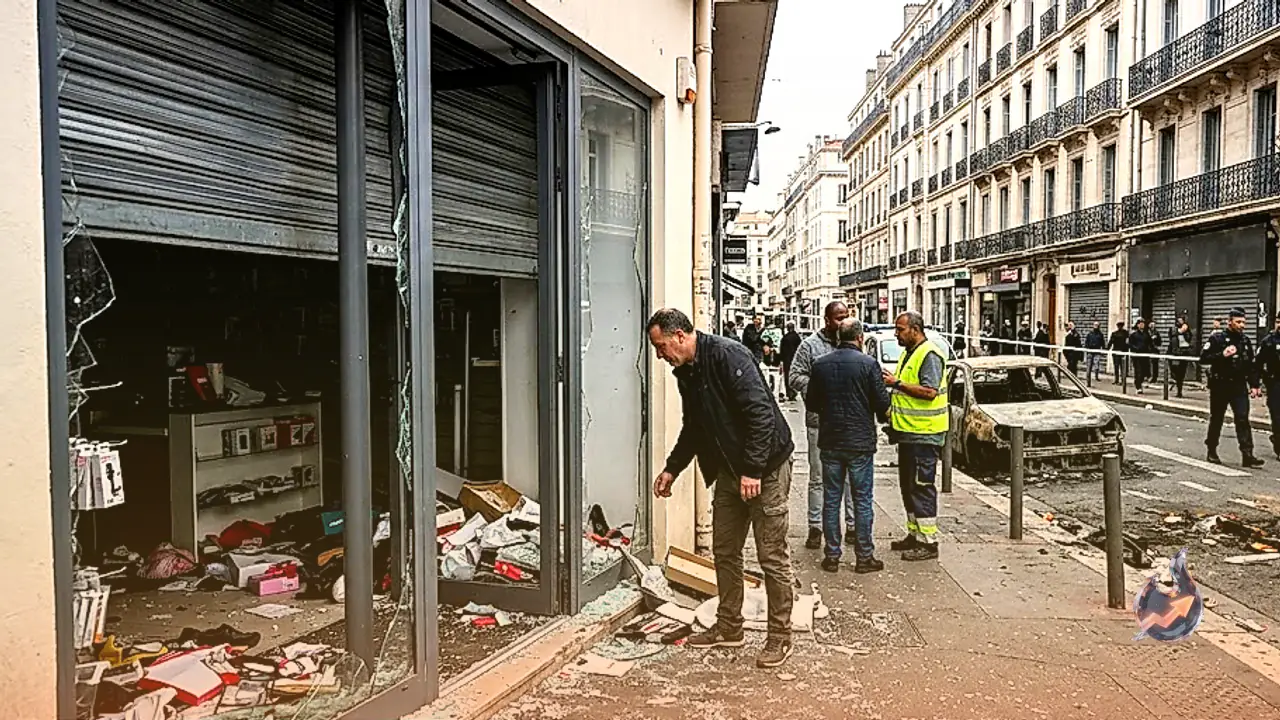

A tense quiet has descended over France's second largest city after a weekend of extreme street violence left downtown districts devastated. Following days of severe unrest, the port city of Marseille awoke beneath storm clouds to rows of shattered shopfronts and hastily boarded doors. Commercial representatives across the metropolis reported that more than 500 business locations suffered structural damage, with the vast majority being thoroughly looted by crowds during the height of the turmoil.
From Classroom Grievances to Street Clashes
The unrest trace their roots back to September, initially organized by high school students protesting substandard educational infrastructure and inadequate school conditions. Over subsequent weeks, the mobilization grew significantly as demonstrators incorporated wider economic pressures into their demands, prominently the escalating cost of living. When assemblies took place on Saturday, what began as a spirited youth rally rapidly devolved into widespread street disorder across multiple urban corridors.
Maryame, an 18-year-old student who relocated to Marseille only weeks prior from nearby rural surroundings, joined the demonstrations alongside friends. She observed that while the collective energy and solidarity of the original student march felt powerful, the rapid transition to street vandalism was deeply frightening. Maryame reflected on whether violent upheaval could force political leadership to address public grievances, noting that France has a long history anchored in revolutionary actions, even though the moral dilemma surrounding destructive protests remains intensely complicated.
Targeted Commercial Districts and Extensive Pillaging
Looting spread swiftly across critical commercial arteries in Marseille. High-profile retail districts including La Canebière, the prominent thoroughfare Rue Paradis, and the downtown Centre Bourse shopping complex were systematically breached by looters. The property destruction extended well beyond the core urban center into peripheral commercial zones, striking large shopping centers like Grand Littoral and Le Merlan situated in the northern sector of the city.
Arnaud Blaise, representing the UN1TE police union, characterized the intense confrontations as unprecedented, comparing the environment to an active war zone. Blaise explained that organized far-left agitators, known domestically as the Black Bloc, deliberately instigated violent clashes with law enforcement. According to his account, opportunistic youths hailing from economically marginalized northern suburbs seized upon the ensuing turmoil to break into stores and haul away merchandise, severely stretching defensive lines as officers attempted to respond across disparate locations.
Police Tactile Operations and Mounting Casualties
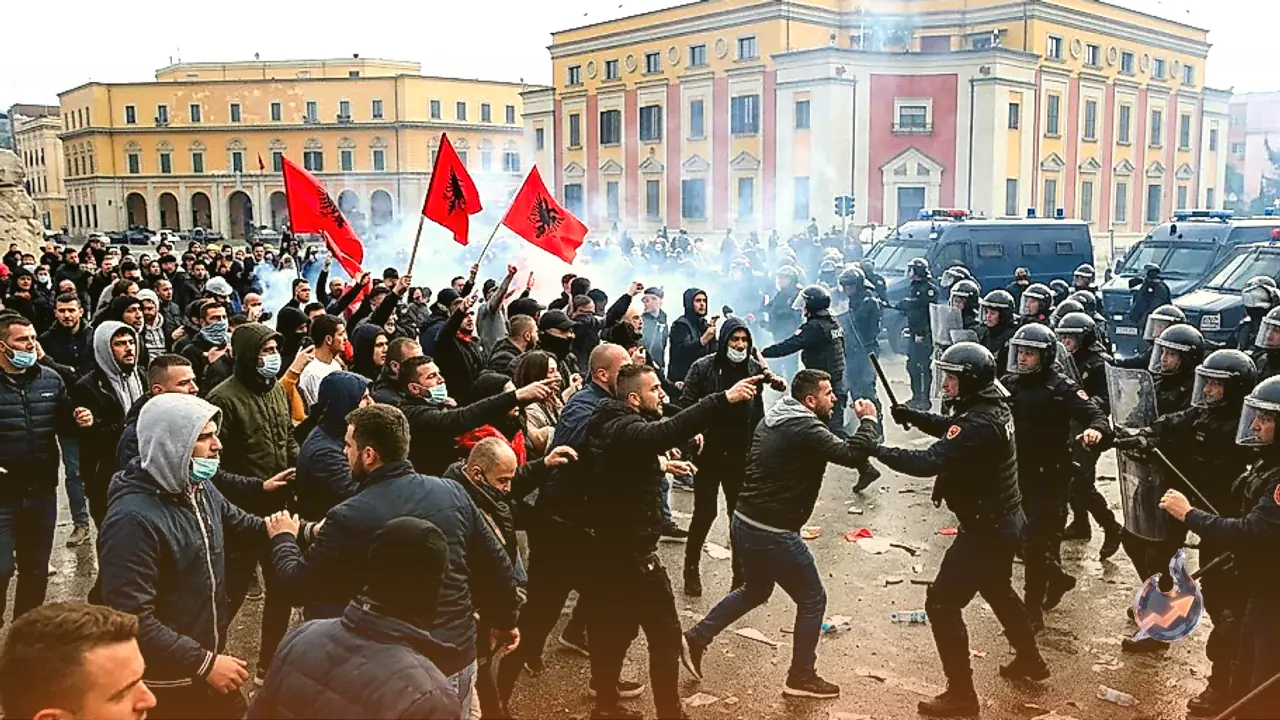
The clashes resulted in considerable physical harm to law enforcement personnel, with 118 officers sustaining injuries in Marseille alone, representing over ten percent of all police casualties recorded throughout the country during the nationwide disturbances. Operational officers deployed roughly 4,000 tear gas canisters in an attempt to disperse volatile crowds. Blaise stated that units were ultimately forced to fall back once their munitions were exhausted, rejecting criticism that officers were overly harsh toward peaceful student demonstrators while failing to protect private shops from destructive ransacking.
Judicial authorities have confirmed 101 arrests within the city so far, with minors making up approximately one-fourth of those taken into custody. In an attempt to preempt a third consecutive night of destructive violence, municipal authorities enforced an eight-hour complete ban on public assemblies on Monday. The decree cleared central squares of demonstrators, leaving visible security detachments monitoring quiet quaysides where only scattered groups of tourists navigated the inclement weather.
Political Fallout and Curfew Directives
The municipal administration has expressed sharp criticism over the handling of the crisis. Marseille's Socialist Mayor Benoît Payan openly condemned the operational strategy, describing the state's attempt to restore order as an absolute fiasco from start to finish. Payan argued that under-resourced police forces were deployed erratically, warning that if law enforcement continues focusing primarily on school demonstrators instead of addressing systemic looting, retail districts will be stripped of whatever little merchandise remains intact.
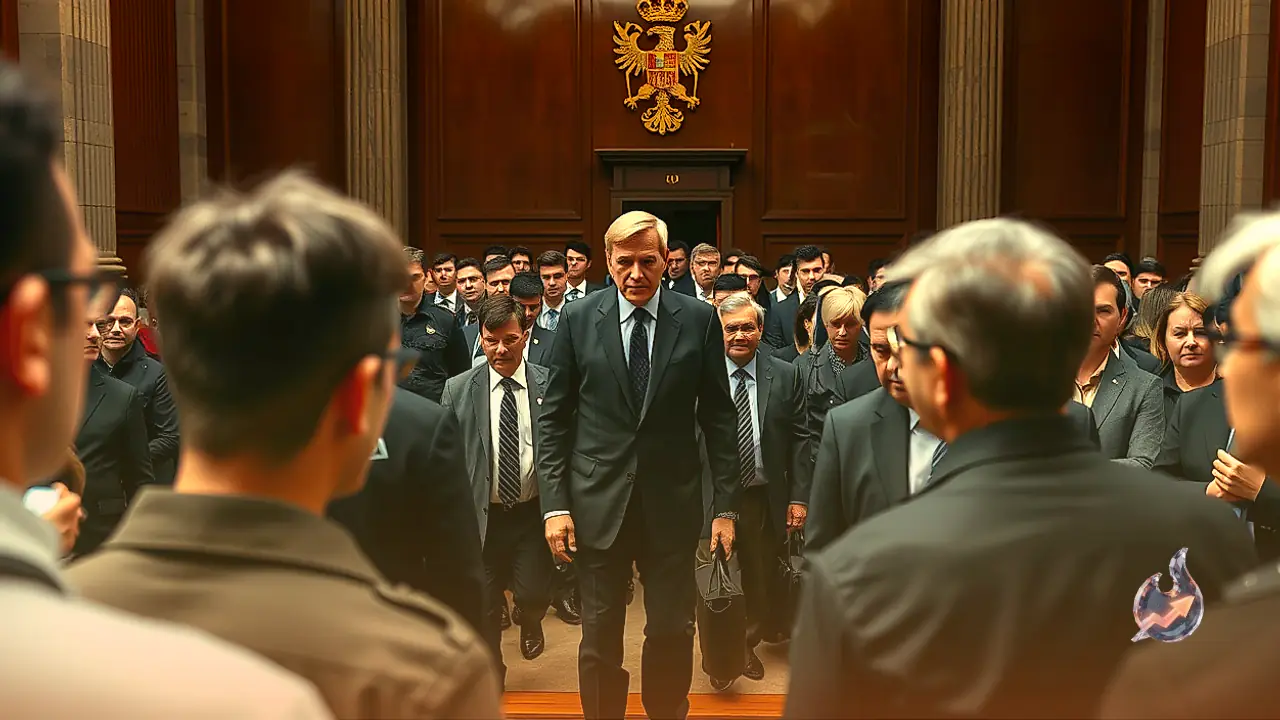
The administrative strain reached national levels when France's Interior Minister Laurent Nuñez travelled to Marseille on Monday evening for emergency discussions. Nuñez had previously submitted his resignation in response to nationwide instability, but the offer was formally turned down by President Macron. Upon arriving at Marseille City Hall, which had been briefly penetrated and occupied by demonstrators during Saturday's chaos, the minister conferred directly with Mayor Payan regarding enforcement updates and plans to implement overnight curfews for minors across designated city sectors starting Tuesday.
Systemic Strain and Generational Despair
The recent destruction has brought renewed attention to persistent social neglect across the port city. Standing near a demolished transit shelter, 79-year-old resident Chantal Bellanger expressed long-standing distress regarding the broader deterioration of public infrastructure in France. Drawing from her past professional experience working within the impoverished northern periphery, Bellanger pointed to deep structural decay in hospitals, schools, and essential social services, noting that neglected communities have suffered from years of isolation.
Bellanger voiced profound sorrow over the sight of disenfranchised youths being pulled into criminal activities out of frustration and economic helplessness. She warned that the trajectory risks alienating an entire generation from mainstream civic life. While the immediate combination of assembly bans and selective curfews has produced a temporary lull in major confrontations, organizers have already called for fresh demonstrations over the coming weekend, raising widespread apprehension that the underlying crisis remains far from resolved.