

















In what represents a potentially decisive breakthrough for diplomatic efforts in Eastern Europe, Ukraine has officially acknowledged that an Indian peace initiative offers the most exhaustive roadmap toward ending its armed conflict with Russia. Ukrainian authorities confirmed that out of four major international peace blueprints currently under diplomatic evaluation, the proposal formulated by New Delhi provides the widest scope. The announcement marks the first instance where Ukrainian officials have formally noted India's willingness to step into an active mediation role, moving past general appeals for dialogue toward direct diplomatic facilitation. In parallel, authorities in Kyiv signaled their preparedness to explore targeted truces covering critical energy infrastructure and Black Sea agricultural corridors alongside an unconditional comprehensive ceasefire.
Evaluating Four International Peace Roadmaps
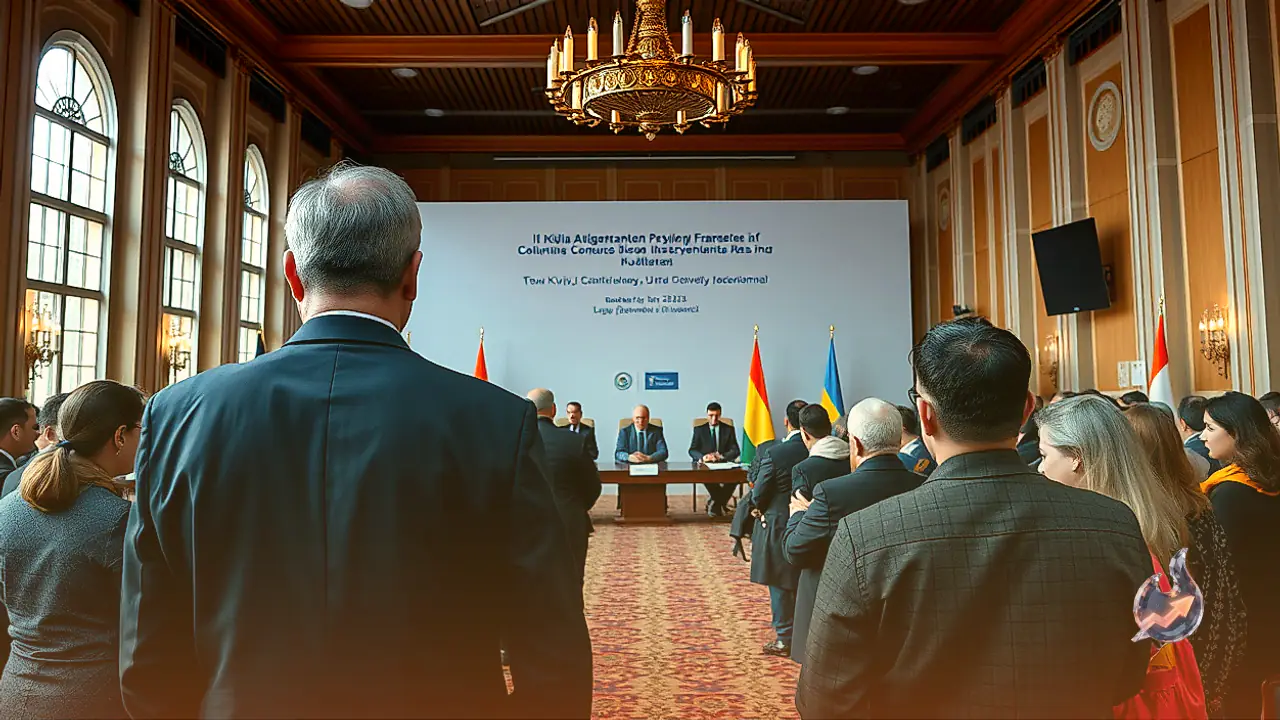
During an official press briefing reviewing ongoing diplomatic negotiations, Ukrainian Foreign Minister Andrii Sybiha provided details regarding the competing frameworks submitted to de-escalate hostilities. Sybiha explained that four distinct mediation concepts remain under formal consideration, with the Indian approach standing out due to its breadth and structural balance.
'We have four proposals before us. India's is the most comprehensive.'
Sybiha underscored that New Delhi has explicitly signaled a readiness to assume a proactive diplomatic posture in bringing both sides to the table. Kyiv has previously shared its fundamental perspective on conflict resolution with key international partners, maintaining readiness to engage constructively with specific ceasefire mechanisms. The Ukrainian foreign ministry's favorable assessment of the Indian roadmap suggests growing confidence that New Delhi can bridge the profound diplomatic divide separating the belligerents.
Black Sea Grain Corridors and Energy Infrastructure Ceasefires
Outlining the other initiatives on the table, Sybiha explained that alternative proposals focus primarily on targeted sector-specific pauses rather than an overarching resolution. A joint initiative presented by Turkey and Egypt seeks to establish a maritime ceasefire in the Black Sea dedicated to safeguarding agricultural shipments and grain transport. This framework aims primarily at stabilizing global commodity supplies and mitigating food insecurity across developing economies.
Separately, a proposal originating from the United States envisions a suspension of strikes directed against energy grids and critical utility facilities. The framework for an energy-sector ceasefire featured prominently in recent strategic conversations between Ukrainian President Volodymyr Zelenskyy and US President Donald Trump. While these regional and sector-specific truces address pressing humanitarian and economic hazards, Ukrainian officials view the Indian plan as the single framework designed to tackle the underlying territorial and diplomatic architecture of the entire dispute.
Moscow Endorses Prime Minister Modi's Constructive Diplomacy
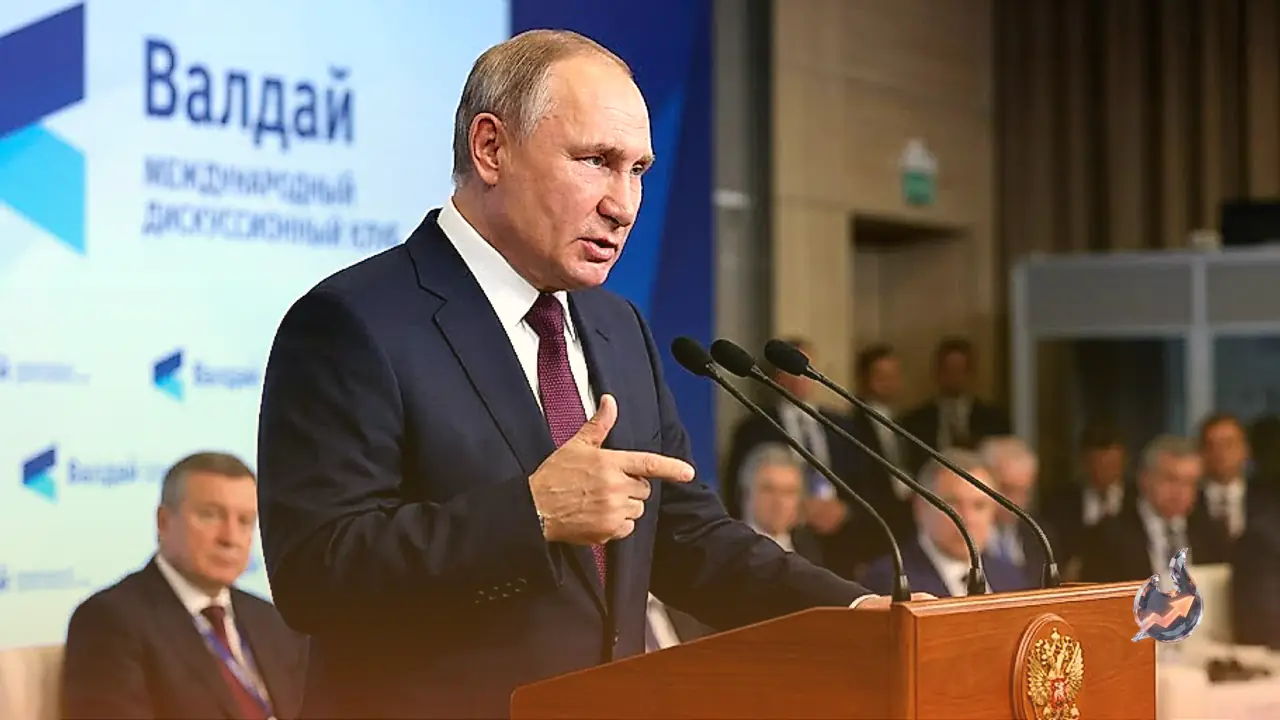
The favorable reception from Kyiv aligns with positive diplomatic signals emerging from the Kremlin regarding Indian involvement. Russian President Vladimir Putin publicly affirmed at the annual Valdai International Discussion Club gathering that Prime Minister Narendra Modi possesses sound and well-considered proposals capable of advancing a mutually agreeable settlement.
Addressing the international forum, Putin observed that despite the enduring friendship and strategic alignment shared between Moscow and New Delhi, Prime Minister Modi consistently raises the necessity of ending the military conflict during every bilateral engagement. The Russian leader emphasized that Modi approaches the subject with genuine concern and substantive proposals, highlighting India's unique capacity to maintain open channels with all stakeholders without compromising its diplomatic neutrality.
Reflections on Indian Pluralism and Social Cohesion
Beyond geopolitical strategy, President Putin used the Valdai platform to reflect on India's distinct demographic scale and cultural harmony, describing the nation's ability to maintain unity amidst deep diversity as truly remarkable.
Recalling past conversations, Putin cited Prime Minister Modi's explanation of India's linguistic landscape, noting that roughly 600 million people out of an approximate 1.5 billion population speak Hindi, while hundreds of millions converse in numerous regional languages. Putin remarked that despite these vast differences, the society functions as a coherent, unified whole. In his view, this organic synthesis of cultural plurality and civic unity offers a profound philosophical foundation for multilateralism and peaceful global engagement.
High-Level BRICS Consultations and the Diplomatic Horizon
Diplomatic momentum accelerated following extensive communications between Prime Minister Modi and President Putin ahead of the BRICS Summit in New Delhi. During those preliminary discussions, the Russian head of state provided an in-depth review of operational developments along the frontlines as well as an assessment of competing international peace tracks. Since the outbreak of full-scale warfare in February 2022, numerous nations have attempted intermediary efforts, yet India's steady adherence to direct negotiations and principled diplomacy has kept its standing intact.
Reinforcing this stance, Kremlin Press Secretary Dmitry Peskov stated prior to the leaders' discussions that the Russian Federation would warmly welcome any peace endeavor spearheaded by India. Peskov stressed that Moscow's approach to conflict resolution closely reflects the foundational principles of dialogue advocated by Indian foreign policy. With Ukraine's foreign minister now openly endorsing India's comprehensive formula, both warring parties appear uniquely aligned in recognizing New Delhi as a credible broker capable of guiding negotiations toward a durable cessation of hostilities.