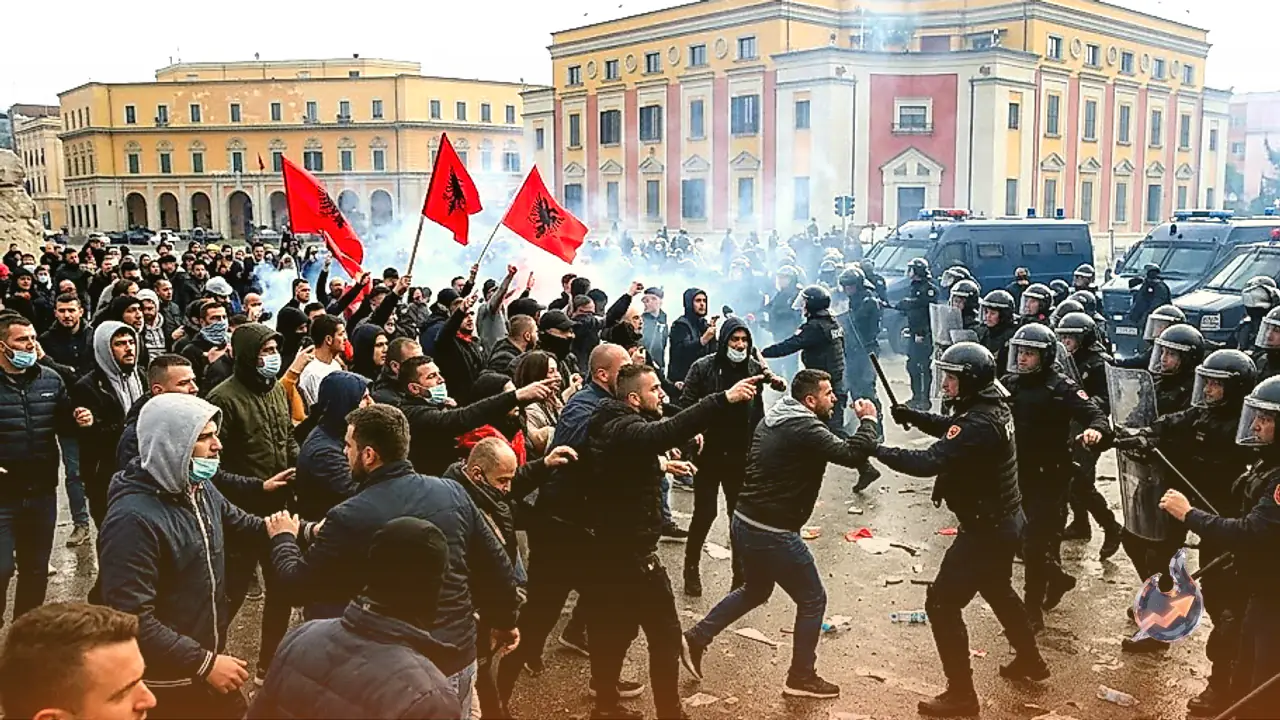
























Spanish Prime Minister Pedro Sánchez has strongly defended his administration following the sudden arrival of 72,000 migrants in the North African exclave of Ceuta. Addressing the Spanish parliament, Sánchez asserted that no intelligence or official warnings had foreseen the magnitude of the border crossing. He dismissed allegations that the government had advance knowledge of the situation as unfounded, even as opposition parties rallied tens of thousands of protesters across the country to criticize his handling of the emergency.
Parliamentary Defense Amid Growing Political Backlash
During his parliamentary address, Prime Minister Sánchez emphasized that it was unreasonable to suggest the government was aware of the impending movement and failed to take action. Describing the events of 30 and 31 July as an exceptionally complex episode driven by multiple converging factors, he reiterated that authorities moved swiftly to address the logistics on the ground while facing intense scrutiny from political opponents inside Spain.
Humanitarian Crisis and Mass Returns in Ceuta
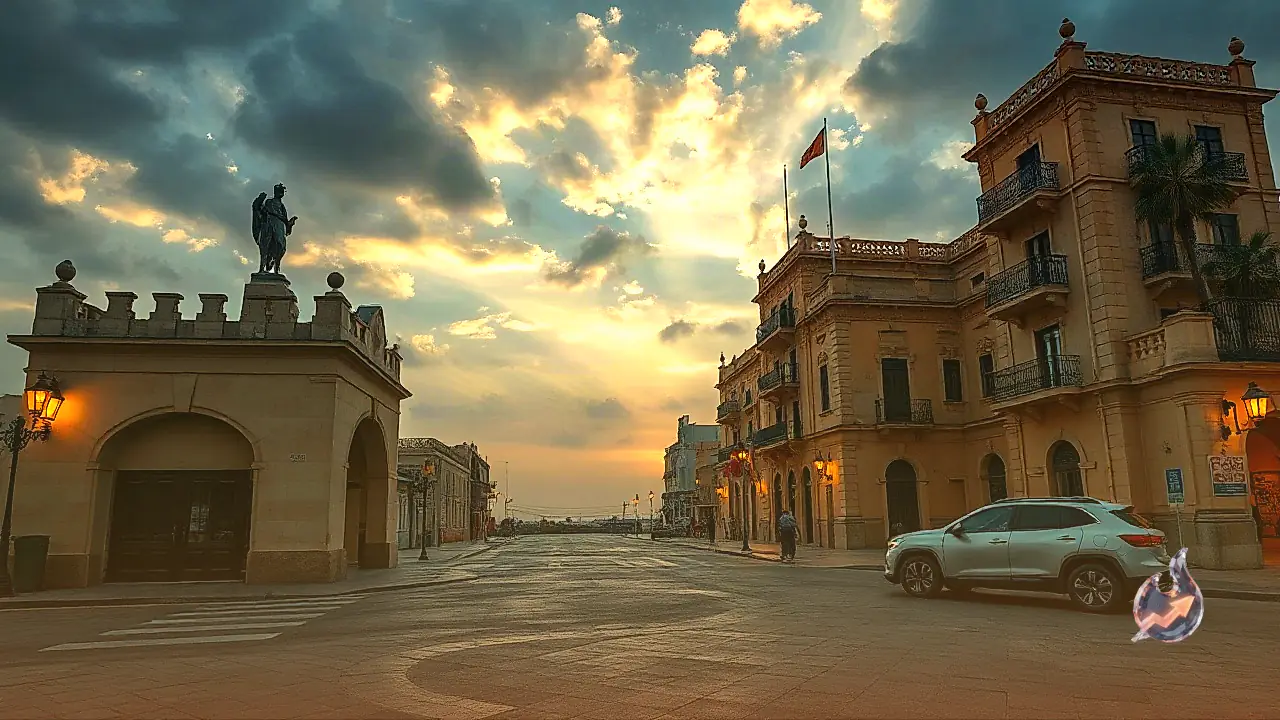
Ceuta, along with its sister exclave Melilla, represents the European Union's only direct land borders on the African continent. Following the mass crossing, close bilateral coordination enabled the return of more than 90% of the migrants to Morocco within 72 hours. Despite these efforts, approximately 5,000 individuals remain in Ceuta, sheltering on streets and public beaches. Among those remaining are as many as 1,400 children, creating a severe administrative and humanitarian challenge for local municipal authorities.
Court Directives and Police Intelligence Findings
An internal Spanish police report highlighted substantial permissiveness by Moroccan border security personnel during the surge. However, senior Spanish officials clarified that the document does not formally attribute responsibility to the government in Rabat. Concurrently, reports indicate that officials had been alerted to potential increases in sea arrivals after a Spanish court ruling was widely misunderstood by migrants, many of whom believed it shielded them from immediate pushbacks if they swam across the border.
Diplomatic Friction with Morocco and European Allies
While maintaining that bilateral operational cooperation was effective during the returns, Sánchez voiced firm disapproval of statements issued by two Moroccan ministers regarding Ceuta and Melilla, characterizing their remarks as unacceptable. The fallout from the situation has also extended into the European Union, with Italy responding by introducing border restrictions on arrivals originating from Spain. In response to regional concerns, Sánchez told parliament that Ceuta is not merely a border of Spain, but represents Spain situated on the border of Europe.
Role of Disinformation and Human Trafficking Networks
Assigning cause for the rapid escalation, Sánchez pointed to human trafficking syndicates and online disinformation campaigns. He informed lawmakers that hoaxes spread across digital platforms played a central role in mobilizing the migration wave. While highlighting social media activity linked to accounts in Russia, Israel, and international far-right movements, he stated there was no conclusive evidence indicating direct state sponsorship. Additionally, Sánchez commended local police forces in Ceuta for focusing their efforts on preserving human life during the crisis.