
























Spain's Supreme Court has formally affirmed the lifting of national arrest warrants against Carles Puigdemont, the former president of Catalonia, opening the doors for his unhindered return to the country after nearly ten years in self-imposed exile. The legal action against him had been tied directly to the regional administration's defiance of Madrid during the contested 2017 independence vote. Under the current ruling, the prominent separatist leader faces no immediate risk of detention upon crossing back into Spanish territory.
The Legal Dispute Over the 2024 Amnesty Framework
Monday's judicial determination effectively resolves an extended impasse between Spain's central courts and the exiled Catalan political leadership. In 2024, the socialist administration in Madrid enacted an amnesty measure intended to relieve dozens of Catalan regional officials and political organizers facing prosecution over the secession bid. Despite the legislation, the Supreme Court initially concluded that Puigdemont and several close associates could not benefit from the relief, citing allegations concerning misuse of public funds in connection with the organization of the vote.
That stance was decisively struck down earlier this month by the Constitutional Court, which overturned the Supreme Court's restricted interpretation. Consequently, the Supreme Court on Monday dismissed a legal challenge brought forward by the far-right Vox political party, confirming the removal of arrest orders for Puigdemont alongside former regional ministers Lluís Puig and Toni Comín. With those domestic warrants dissolved, the primary legal obstacles to their physical return have fallen away.
Fallout from the 2017 Independence Referendum
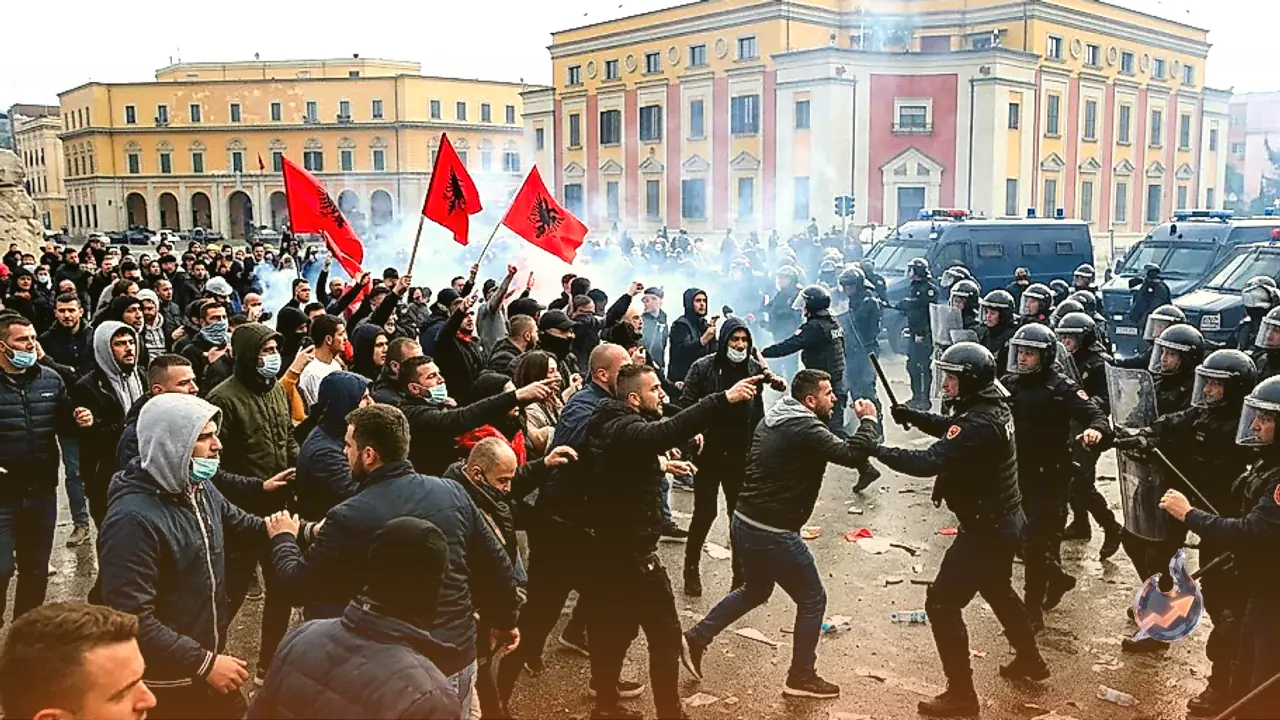
The unauthorized referendum of 2017 plunged Spain into its most severe constitutional upheaval since the re-establishment of democratic governance following the death of Francisco Franco. The polling initiative encountered aggressive police intervention across the region. Despite the central government's ban, the secessionist majority in the Catalan regional parliament proceeded to issue a declaration of independence. Madrid reacted swiftly by dismissing the regional cabinet, dissolving the local assembly, implementing direct rule, and calling snap regional elections.
Faced with prosecution, Puigdemont relocated to Waterloo, Belgium, utilizing the town as his base of operations while continuing his political campaigns abroad. Meanwhile, nine of his political colleagues who remained within Spain were sentenced to terms of imprisonment for their involvement in the secession attempt. Those officials served time behind bars until the central government granted them official pardons in 2021.
Exile Politics and the Fleeting Barcelona Appearance
Throughout his years in Belgium, Puigdemont maintained a visible public profile across the continent, advocating internationally for Catalan sovereignty and offering persistent criticism of Spain's democratic institutions. He secured election as a Member of the European Parliament (MEP) in 2019 and subsequently gained a seat in the Catalan regional parliament in 2024 as the head of the centre-right Together for Catalonia (JxCat) formation. During the 2024 campaign, he operated from southern France, staging rallies that drew supporters across the Spanish frontier.
His only confirmed return to Spanish soil occurred during that same period in 2024, when he made an unannounced appearance in Barcelona. After addressing a large rally of followers in the city, he vanished before law enforcement units could intercept him, successfully slipping back across the French border and evading a coordinated police manhunt. His ability to evade custody further intensified the legal and political controversy surrounding his standing.
Response to the Verdict and Upcoming Travel Plans
Immediately after the Supreme Court issued its Monday decision, Puigdemont released a video statement on social media outlining the strategy behind his prolonged stay outside Spain. He explained that his deliberate purpose had been to influence international public sentiment, elevate the dispute onto a global stage, and operate from the center of Europe to challenge Madrid's characterization of the political situation. While the decision now legally facilitates his return, he has not published an exact date for his journey back to Spain.
Action among his close circle, however, is already underway. Toni Comín, who previously directed Catalonia's health portfolio, is scheduled to visit Madrid this week. Comín intends to conclude administrative obligations required to formalize his status as an MEP, marking an immediate operational shift following the court's decree.
A Transformed Political Landscape in Catalonia and Madrid
The political environment awaiting Puigdemont differs substantially from the conditions that defined the 2017 crisis. Over the past decade, public enthusiasm for Catalan secession has receded from the forefront of public debate, with voter priorities shifting heavily toward economic issues, notably housing availability and immigration management.
At the national level, parliamentary votes from Puigdemont's JxCat party proved critical in enabling Prime Minister Pedro Sánchez to assemble a workable left-leaning coalition following the general elections of 2023. Locally within Catalonia, however, JxCat confronts growing headwinds as a competing pro-independence force, the far-right Catalan Alliance, cuts into its electoral base. The shifting dynamics are set to be tested further in next month's national elections, where far-right parties stand a realistic chance of entering Spain's national government for the first time.