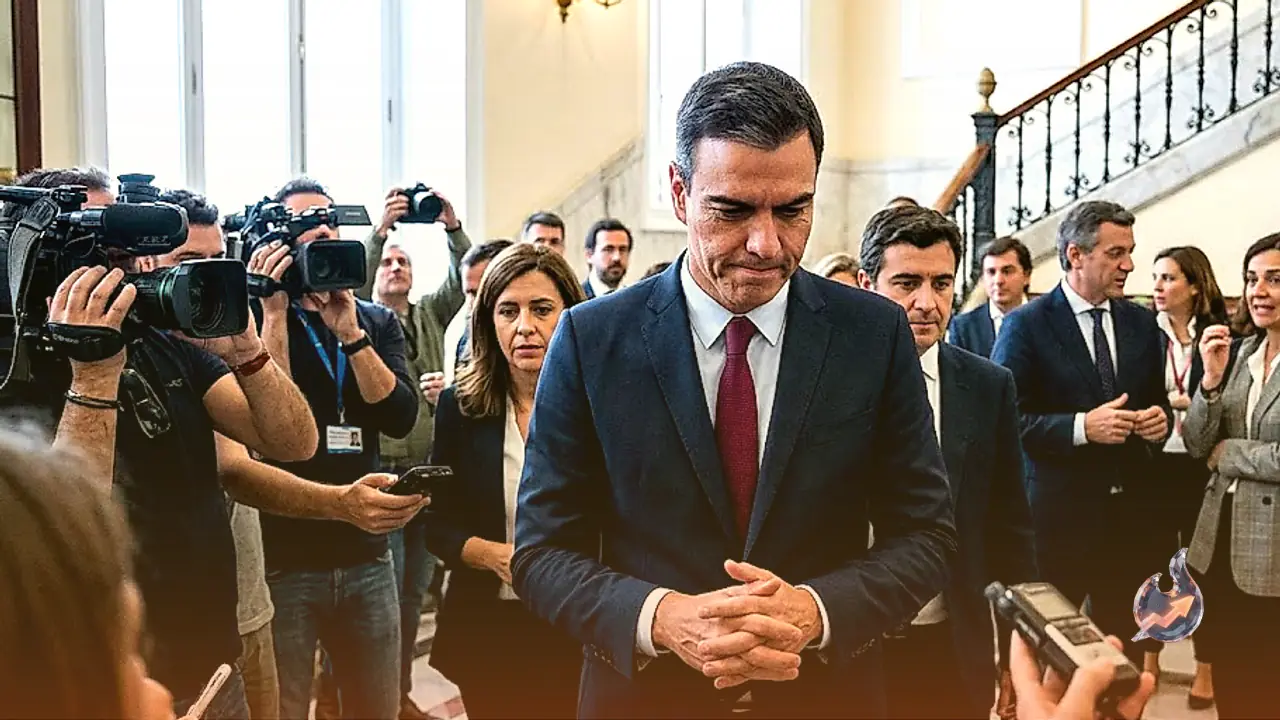

























Spanish Prime Minister Pedro Sánchez has officially scheduled an early general election for 29 November after his administration suffered critical legislative defeats on measures intended to resolve the nation's spiralling housing crisis. Speculation surrounding an unpredicted trip to the ballot box intensified dramatically over the weekend once parliament rejected two flagship decree laws tabled by the government to safeguard tenants in the rental market. Addressing the public in a televised speech on Monday, the prime minister framed the snap vote as an essential step to rebuild and widen democratic backing for progressive policymaking.
Sánchez Seeks Fresh Mandate Against Economic Pressures
During his Monday television appearance, Sánchez declared that the administration faced an undeniable need to renew and broaden people's support. He maintained that pushing substantive reforms past entrenched opposition required explicit popular endorsement, explaining that the executive needs the backing of the populace along with a broader progressive majority capable of overcoming the resistance mounted by elite interests.
Sánchez currently directs a minority left-wing coalition government formed by his ruling Socialist party alongside junior coalition partner the Sumar alliance. Without an outright majority in parliament, the administration has continually had to navigate fragile legislative arithmetic. Under ordinary circumstances, Spain was not scheduled to conduct a general election until the summer of 2027 at the latest, making the November date a significant acceleration of the country's political cycle.
Backlash Over Eviction Sparks Nationwide Rallies
Public pressure surrounding tenant vulnerability reached boiling point after the high-profile eviction of 87-year-old Maricarmen Abascal from her home in Madrid. A legal loophole had enabled her property owner to hike her monthly rent from €500 (£428; $572) up to €2,650. Even after an adjustment lowered the demand to €1,650, the sum still exceeded her monthly retirement pension by €300. Law enforcement eventually removed the elderly woman on a stretcher from the apartment she had inhabited for over 70 years, after which she was taken to hospital.
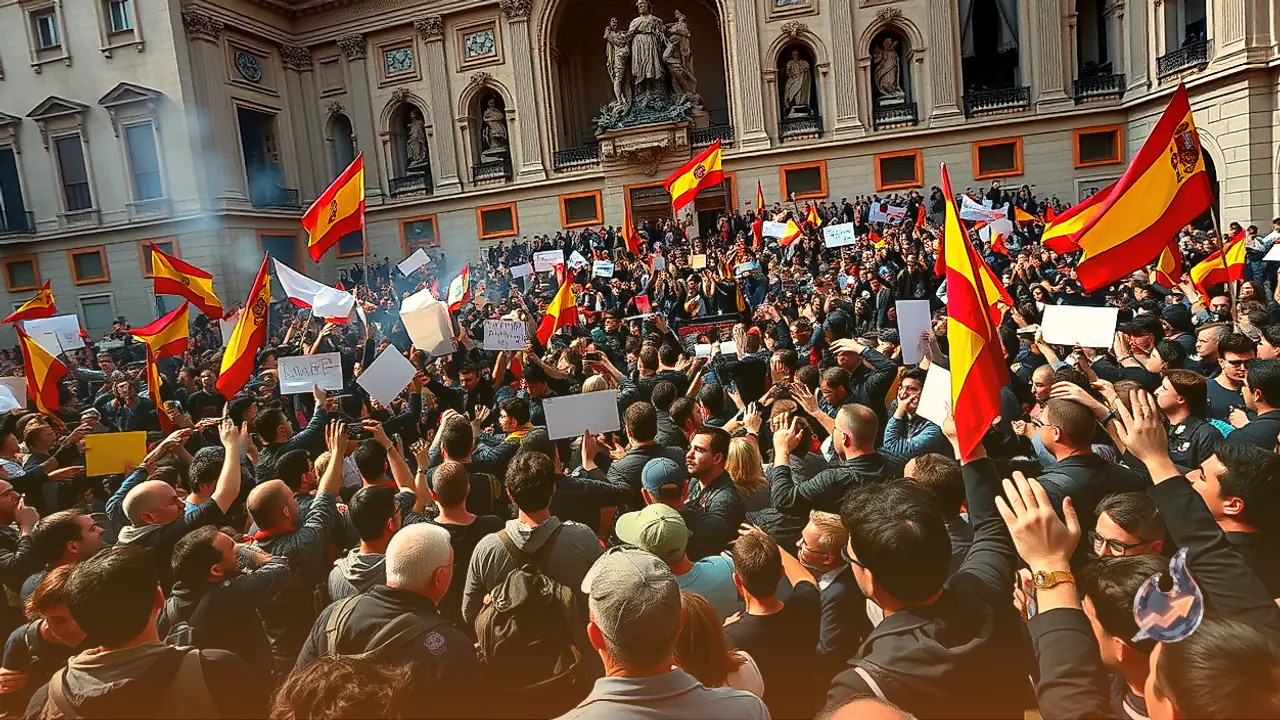
The incident ignited intense public indignation across Spain. On Saturday, tens of thousands of demonstrators filled city centres across Madrid, Valencia, and Barcelona to demand rigorous protection against displacement and excessive rent increases. The rapid escalation of public anger propelled the housing question to the absolute centre of the national political debate.
Rejected Decrees and Parliamentary Discord
To contain the mounting demonstrations, the left-wing coalition attempted to enact emergency measures through two separate decree laws. The first decree package laid out protections that included halting the eviction of vulnerable tenants until 2030, alongside an automatic two-year extension on residential rental leases scheduled to expire before 2028. It also incorporated higher tax rates targeted at tourist apartments and placed explicit restrictions on residential acquisitions by what government officials characterised as vulture funds.
A second decree generated even sharper political friction due to a clause enforcing the automatic renewal of rental contracts. This provision formed a central demand among left-wing groups and the prominent tenants' collective Sindicato de Inquilinas. However, both measures failed to survive parliamentary scrutiny on Friday, stripping the minority cabinet of its regulatory response.
Opposition Resistance and Market Arguments
Parties on the political right pushed back forcefully against the government's interventionist proposals, arguing that artificial constraints on the private rental market would restrict housing availability and inadvertently drive lease prices higher. Summarising the conservative perspective, Juan Bravo of the People's Party remarked last week that housing does not become cheaper through decrees, but rather becomes cheaper through the construction of more homes.
Right-leaning lawmakers argued that imposing long-term caps and mandatory lease extensions would cause property owners to withdraw units from the market entirely, compounding the very shortage tenants were protesting against.
Electoral Landscape and Shifting Coalitions
Pedro Sánchez has occupied the prime minister's office since June 2018. In Spain's previous general election in 2023, his Socialist party placed second behind the conservative People's Party. While the People's Party captured the largest bloc of parliamentary seats, it failed to build a working majority. Sánchez remained in power by constructing an alliance with left-wing forces and securing crucial backing from Basque and Catalan nationalist and pro-independence groups.
Reacting immediately to Monday's snap election declaration, Alberto Núñez Feijóo, leader of the People's Party, declared that Spaniards would finally have the opportunity to decide. The conservative leader asserted that the contest would not represent ordinary balloting, but rather a fundamental decision for the electorate to choose between decline or change, lies or change, incompetence or change, division or change, and corruption or change.
Current opinion polls suggest that the conservative People's Party is positioned to finish as the largest single party in the upcoming election. Nevertheless, projections indicate that forming a governing majority would likely require conservative leadership to strike a coalition agreement with the hard-right Vox party, setting up a deeply polarised campaign ahead of the 29 November vote.