






















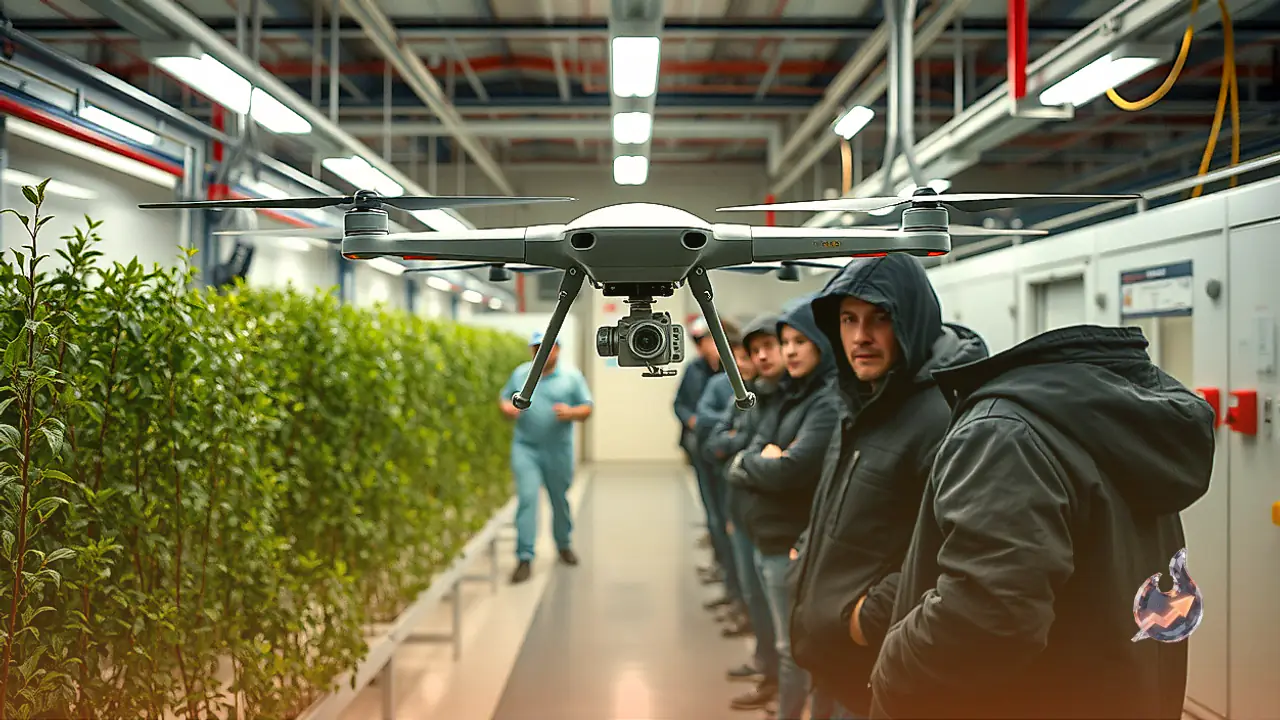

A fatal Russian drone strike on a pharmaceutical manufacturing facility in the Ukrainian city of Sumy has killed one person and left several others wounded. The impacted facility has been identified in widespread accounts as belonging to Indian pharmaceutical firm Kusum Healthcare, though an official confirmation regarding the ownership of the site has not yet been issued. Ukrainian President Volodymyr Zelenskyy revealed details of the deadly strike on Sunday, drawing attention to the perilous conditions facing industrial sites and essential services in the frontline region. The attack underscores the persistent danger confronting non military production units operating within northern Ukrainian border zones.
Civilian Infrastructure and Transit Corridors Struck Across Regions
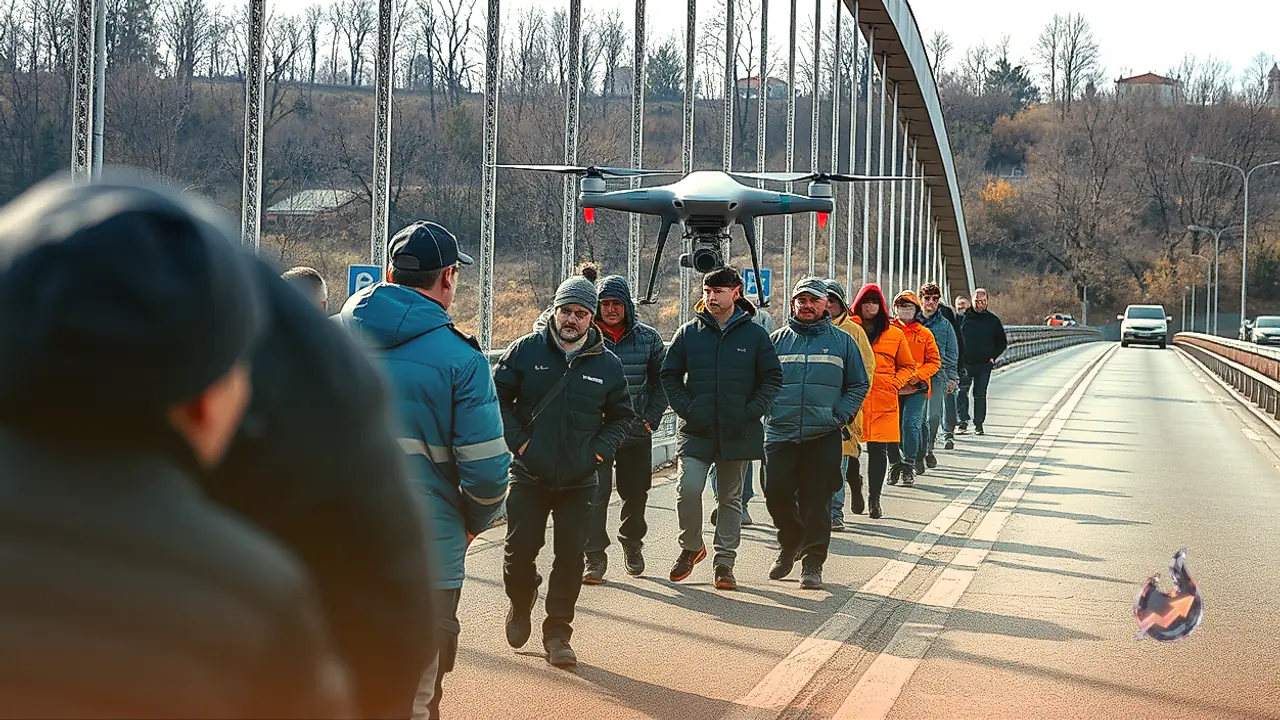
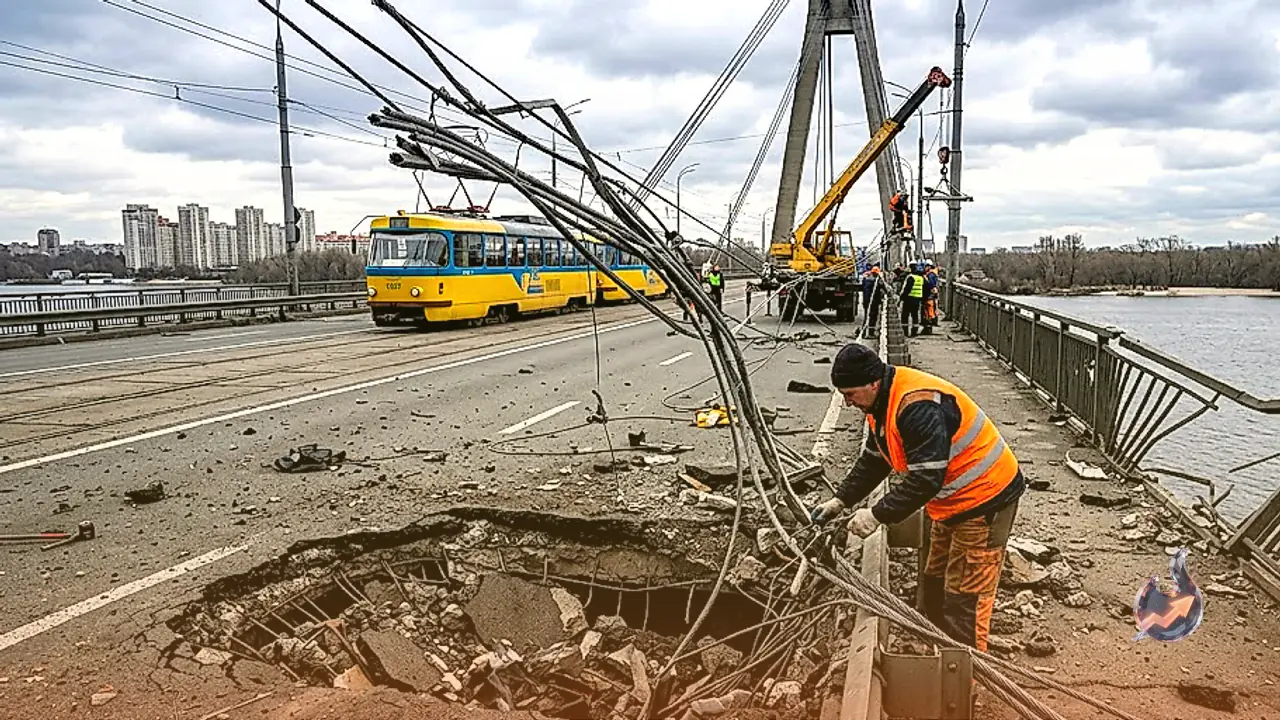
Expressing deep condolences to the families of those killed, President Volodymyr Zelenskyy condemned the targeted bombardment of daily municipal assets. Beyond the deadly incident in Sumy, Russian strikes also focused on strategic transit and communication points across the country. In the capital city of Kyiv, the Pivnichnyi Bridge was hit, while in Dnipro, an essential communications facility sustained damage that resulted in multiple civilian casualties. Zelenskyy outlined the scale of aerial bombardment recorded over the preceding seven days, noting that Russian forces launched over 1,900 drones, dropped 1,700 aerial bombs, and fired 25 missiles into Ukrainian territory. Among the unmanned aerial vehicles deployed in that single week, upwards of 800 were jet powered units.
Overnight Barrage Involving 135 Drones Across Six Regions
In a statement posted on social media platform X, President Zelenskyy provided a breakdown of an intense nighttime wave of attacks involving 135 strike drones. More than 50 of those units were high speed jet powered drones designed to penetrate defensive lines. The widespread wave struck six major territorial administrations, leaving damage across Kyiv, Dnipro, Kharkiv, Donetsk, Sumy, and Zaporizhzhia. Zelenskyy stressed that ordinary residential dwellings and basic community lifelines remained the core targets of the aggression. Power grids suffered major disruptions in multiple districts, plunging neighborhoods into darkness while utility specialists and emergency rescue units were deployed to stabilize damaged sites.
German Chancellor Friedrich Merz Arrives in Kyiv for Strategic Talks
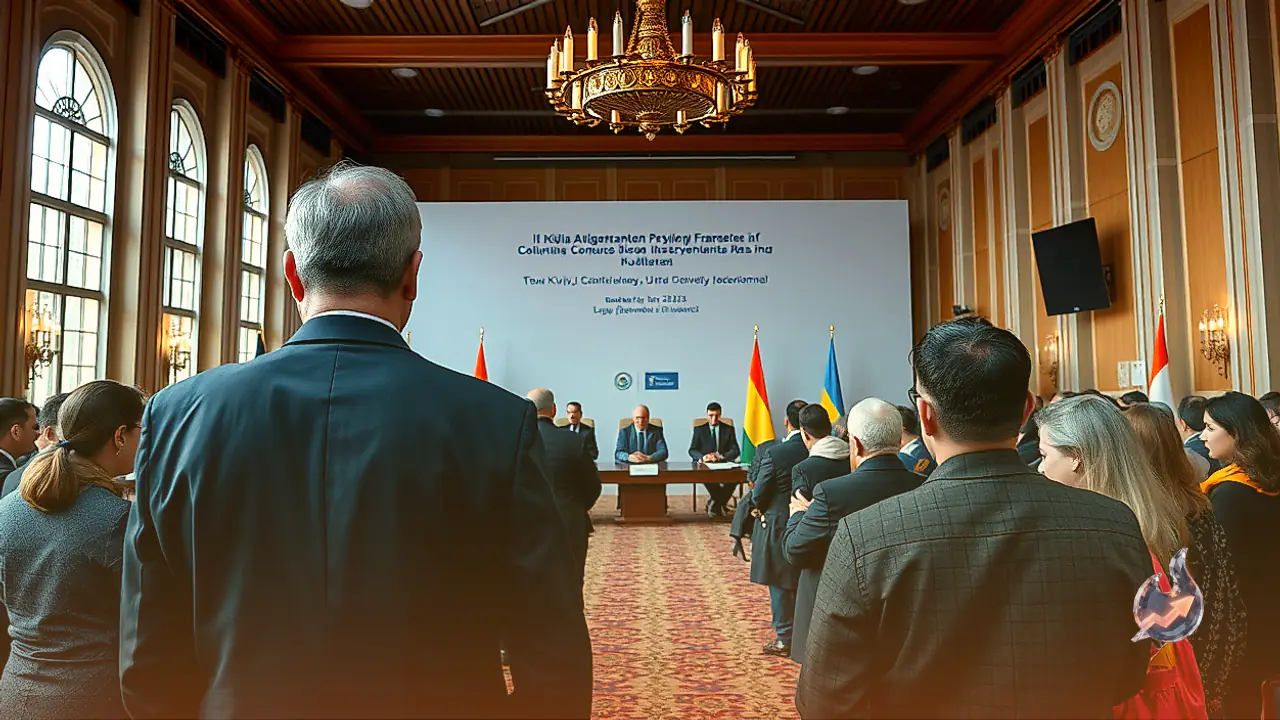
The escalation in drone incursions coincided with a high profile diplomatic mission to Kyiv by German Chancellor Friedrich Merz. The visit provided a visible reaffirmation of European commitment to the Ukrainian government amid worsening battlefield pressures. During discussions with President Zelenskyy, Chancellor Merz cautioned that the Russian war machine would eventually threaten other European nations if left unchecked on the Ukrainian front. He assured Ukrainian leadership that essential military and logistical support would remain forthcoming to protect critical national assets.
Confronted with massive barrages of automated weapons, Ukrainian authorities have intensified appeals for advanced aerial interceptors capable of neutralizing jet powered drones. Bilateral discussions between Berlin and Kyiv are expected to yield an extensive military aid package valued at over 1 billion US dollars. President Zelenskyy commended Chancellor Merz for Germany's consistent leadership in safeguarding human lives against ongoing bombardments. He underscored that joint decisions currently being finalized are aimed at strengthening the long term defensive posture of both Ukraine and broader Europe against shared regional security threats.