




















The political landscape of Central and Eastern Europe has witnessed an extraordinary shift as two entrenched leaders, once considered virtually unassailable, have been removed from office within months of each other. Nearly a year after Hungarian Prime Minister Viktor Orbán and Serbian President Aleksandar Vučiċ shared pastries at a modest bakery in the northern Serbian town of Subotica, both men find themselves out of power. Orbán, who held office for 16 years, suffered an electoral defeat in April against Péter Magyar's Tisza party. Just months later, Vučiċ's 14-year dominance over Serbian politics came to an abrupt halt when a student movement less than two years old secured a sweeping parliamentary victory.
Data Analytics and Grassroots Poll Watchers
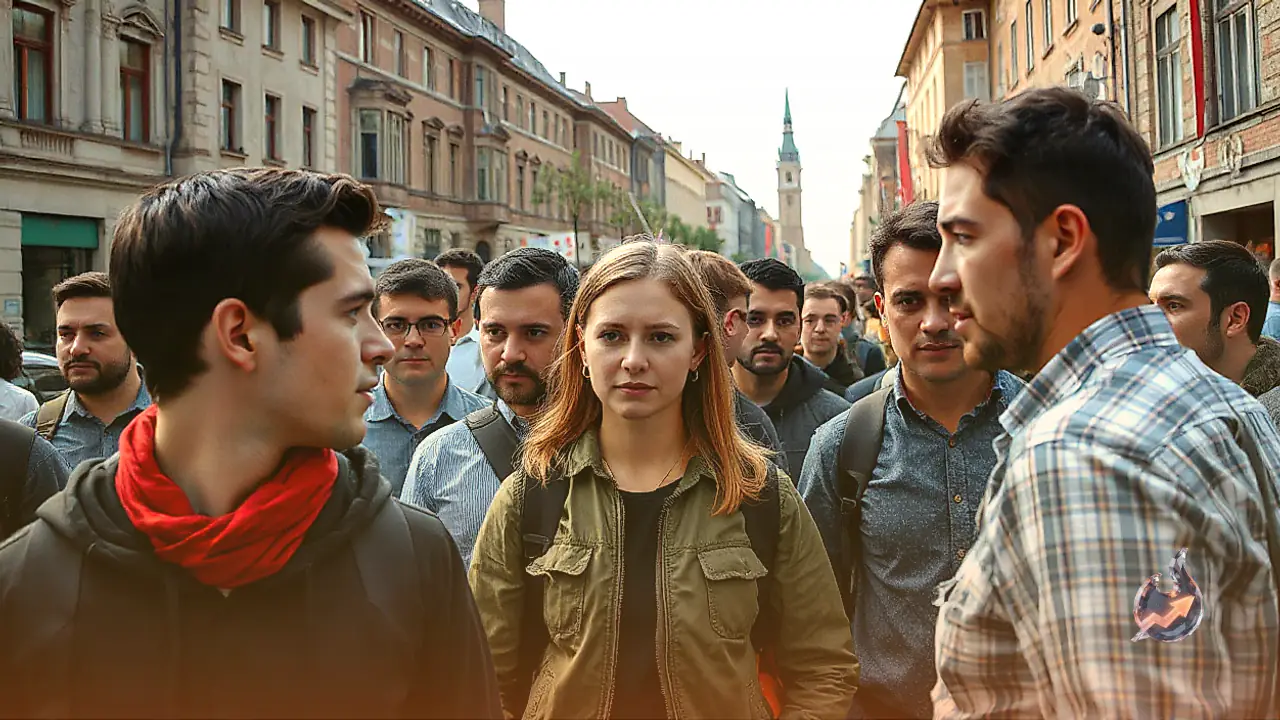
The turning point in both countries was driven by historic voter participation and modern election monitoring tactics orchestrated by younger demographics. Voter turnout reached 79% in Hungary and 69% in Serbia, propelled by tech-literate youths who deployed artificial intelligence tools to analyse voting patterns, identify vulnerable precincts, and mobilize tens of thousands of citizen monitors to thwart potential vote tampering and intimidation.
Civic groups formed an effective cross-border cooperation network. Hungary's DE civic action group dispatched 70 trained monitors to northern Serbia's Vojvodina province to collaborate directly with local student representatives. Months prior to the ballot, workshops held over the summer allowed Hungarian organizers to pass down methodologies refined during their own national vote. The core strategy involved mapping out historically suspicious voting locations where disproportionate ruling-party tallies suggested past voter coercion or carousel voting schemes.
On polling day, tension escalated around 16:00 when groups of masked individuals allied with the governing party began congregating near polling stations. Péter Klemm, a student activist in Subotica, recounted dispatching rapid-response teams with video equipment to document any irregularities. Backed by stationary observers stationed inside, contingents of 20 to 30 volunteers per location acted as an active deterrent, shielding voters from threats.
The Symmetry of Parliamentary Numbers
Despite their contrasting operational structures, the Hungarian and Serbian opposition movements achieved remarkably symmetrical parliamentary tallies. Péter Magyar's Tisza movement, heavily shaped by its leader's charismatic personal appeal, had previously captured 140 seats in Hungary's 199-member legislature. In Serbia, where the Student List deliberately rejected hierarchical leadership, the movement claimed exactly 140 seats in the 250-member assembly.
The bond between both movements was evident when Péter Magyar became the only European leader to place a congratulatory call directly to the student organizers on election night. Magyar remarked that his party's experience offering inspiration abroad remained deeply gratifying. Ahead of the vote, Ilija Srdanoviċ, head of the Student List, noted that the Hungarian electoral breakthrough had affirmed their own trajectory, and he spoke directly with Magyar as the final tallies rolled in.
How Entrenched Regimes Collapsed Peacefully
The timing and manner of the political concessions displayed striking parallels. Aleksandar Vučiċ publicly acknowledged his defeat at 21:30 on Sunday evening, echoing the calm concession delivered by Viktor Orbán on 12 April. Despite widespread apprehension among observers that either strongman might deploy security forces to cling to office, both transfers proceeded without armed conflict.
Reports surfaced indicating that Vučiċ consulted Orbán twice during election night, seeking guidance before his formal announcement and again at 23:15, with Orbán advising restraint against the use of state force. While Vučiċ dismissed claims of a conversation prior to his concession speech, he acknowledged speaking with his Hungarian counterpart later that evening. Orbán declined requests for comment regarding the exchanges.
Cross-Border Deals and Looming Legal Probes
During their overlapping tenures, the 63-year-old Orbán and the 56-year-old Vučiċ cultivated tightly aligned political and commercial operations. Their diplomatic alignment extended to warm bilateral relationships with Russian President Vladimir Putin and Chinese President Xi Jinping, alongside unwavering backing for Milorad Dodik, the separatist leader of the Bosnian Serbs. The two nations partnered on large infrastructure projects, including a high-speed railway between Belgrade and Budapest funded by Chinese capital, and pursued business talks concerning Hungary's acquisition of Serbia's Nis oil refinery.
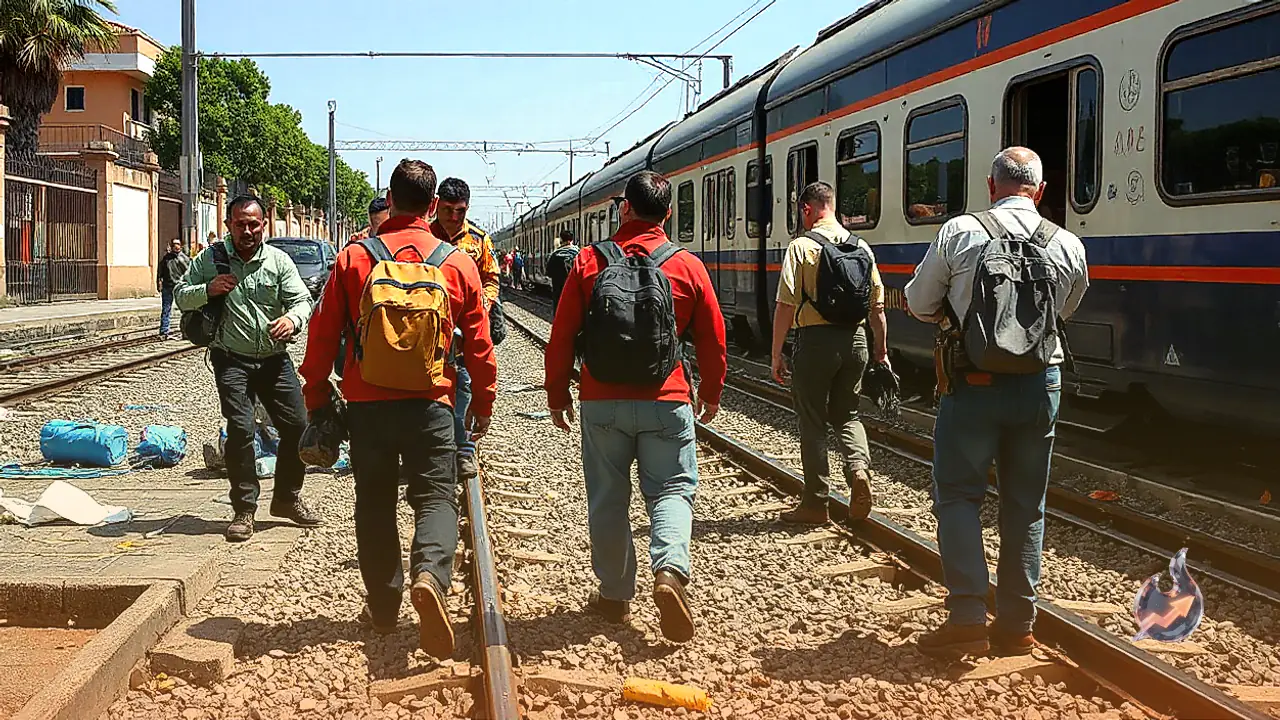
Both former leaders could now encounter formal inquiries regarding allegations of corruption and systemic abuse of state power. Judicial authorities in both jurisdictions possess comparable investigative remits: Serbia's specialized organised crime prosecution agency, JTOK, and Hungary's newly established special prosecution unit, NVVH, are positioned to coordinate cross-border evidence. Scrutiny is particularly intense surrounding Hungarian companies tied to Orbán that participated in modernizing the Novi Sad railway station. The collapse of the station's canopy on 1 November 2024 claimed 16 lives, sparking public fury over official negligence and graft that ultimately catalyzed the student uprising. As Áron Timar of the DE civic group observed, entrenched regimes often become brittle rather than stronger over time, leaving them unable to withstand a unified public uprising.