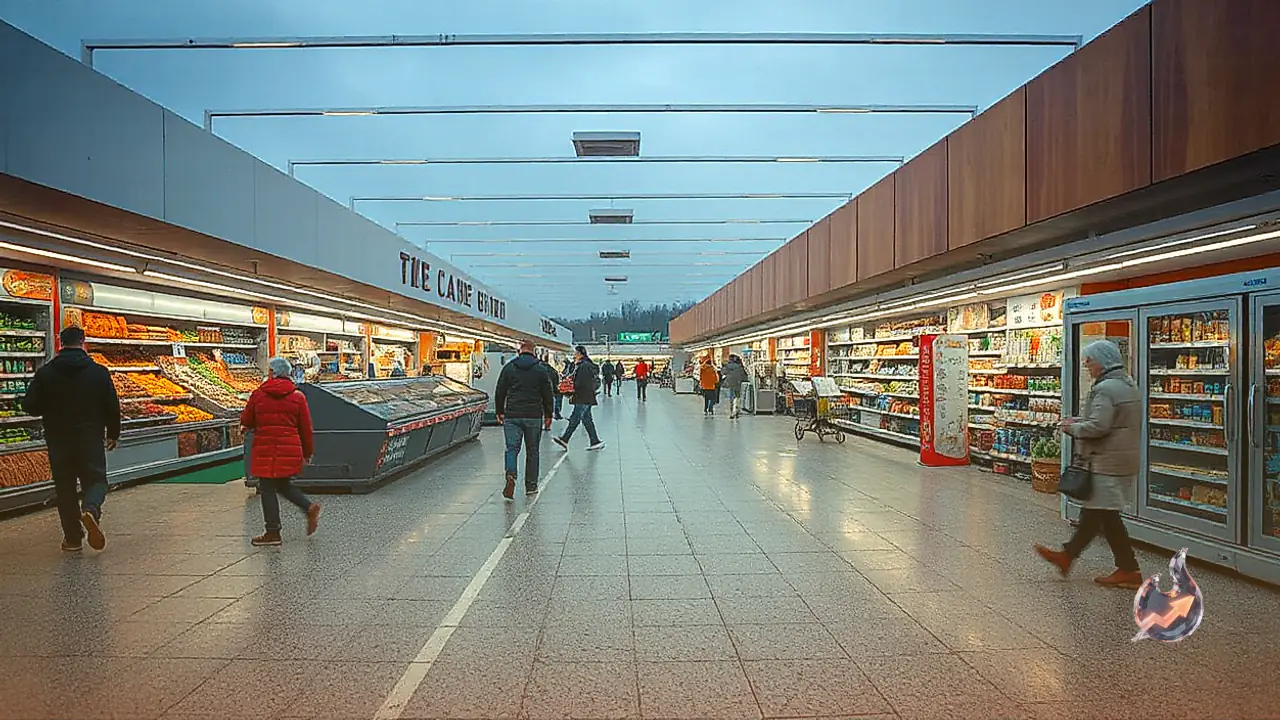




















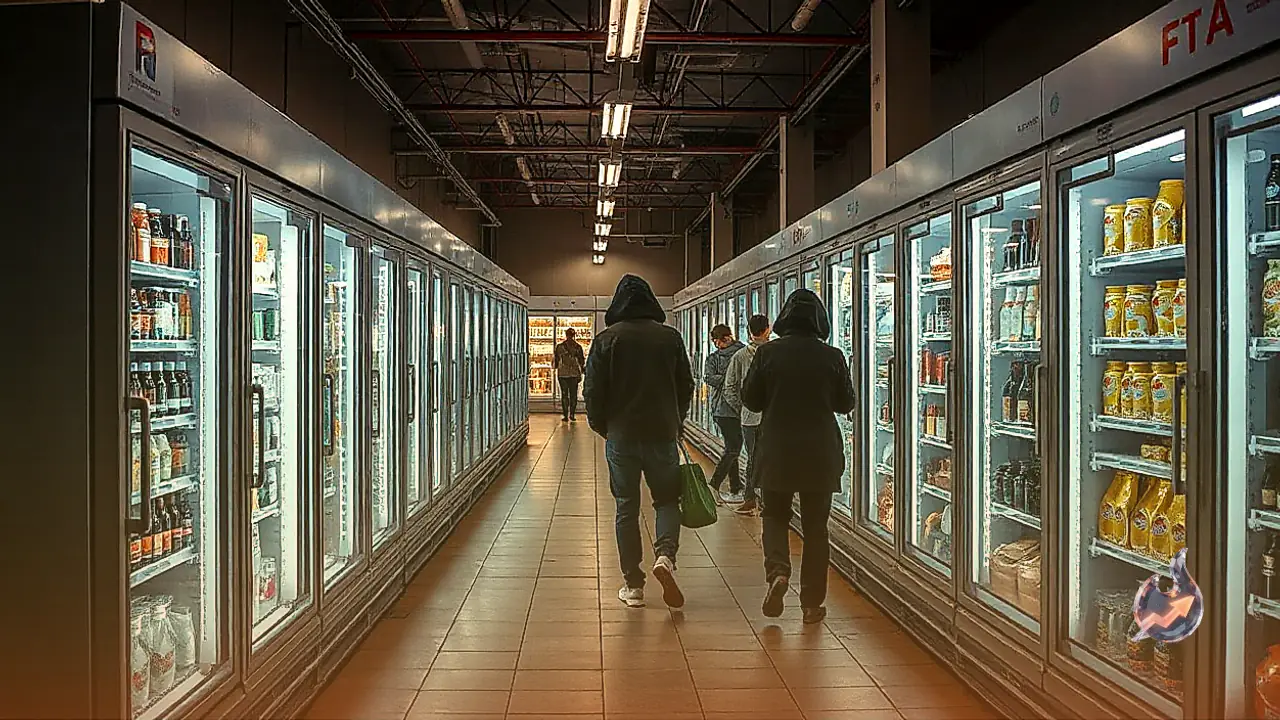

A coordinated and disruptive cyber incident has targeted grocery supply chains across Europe, leaving freezers crippled and shelves stripped of chilled goods. Threat actors remotely hijacked automated cooling controls across supermarkets in Sweden, Belgium, Luxembourg, and Estonia on Monday, intentionally spiking internal temperatures. The sudden heating caused cold-storage equipment to fail, placing massive quantities of perishable food at immediate risk and forcing several retail branches to throw out contaminated stock.
The incident mirrors a wave of digital tampering in France last month, where cyber attackers compromised the remote temperature consoles of hundreds of supermarkets and independent grocery shops. The sudden expansion of these identical disruptions into four neighboring nations underscores how vulnerable everyday food retail infrastructure has become to remote interference.
Swedish Supermarket Chains Face Widespread Freezing Failures
In Sweden, leading retail operator ICA Group confirmed that several of its locations suffered overnight disruptions caused by an intrusion into their digital environmental systems. Gustaf Nilsson, a spokesperson for ICA Group, stated that a nighttime cyber event impaired refrigeration and freezing functionality across specific stores, though he declined to provide the precise number of impacted premises.
The ICA Kvantum branch in Sjobo, southern Sweden, posted an explanation to its local shoppers on its Facebook page, revealing that unauthorized intruders manipulated its fridges and freezers until the equipment reached a scorching 50 degrees Celsius. Management noted that staff had to immediately begin clearing shelves and disposing of damaged products to protect customer safety. Simultaneously, rival retail cooperative Coop reported refrigeration failures across six separate supermarkets located throughout central Sweden.
Disruptions Spread Across Belgium and Luxembourg
The reach of the attack quickly extended across the continent to Belgium and neighboring Luxembourg. Major Belgian grocery retailer Delhaize announced that cooling installations in several dozen of its supermarkets encountered remote interference. The bulk of these compromised units were situated within Belgium, with a smaller number identified across stores in Luxembourg.
Delhaize representative Sara De Meester confirmed that stock availability for fresh and frozen products had to be temporarily restricted in all affected supermarkets. She added that central logistics hubs continued to operate without disruption, ensuring that broader warehouse distribution pipelines into the retail network remained stable. Meanwhile, international supermarket chain Carrefour assessed its Belgian footprint, confirming that out of more than 700 local outlets, only 15 experienced very minimal disruption from the cyber incident.
Estonian Tech Supplier Explains Remote Temperature Manipulation
In Estonia, specialized commercial infrastructure also fell into the crosshairs of the intrusion. Jaan Mutso, Chief Executive Officer of industrial cooling technology manufacturer Kitman Coldtech, explained that attackers successfully gained access to the computer workstations responsible for regulating supermarket refrigeration systems. Once inside, the perpetrators bypassed controls to push storage units up to 50 degrees Celsius.
While Mutso chose not to name the specific grocery chains using the targeted hardware, he emphasized that technical teams countered the unauthorized access within minutes, preventing catastrophic stock spoilage. Local retailer Selver, however, publicly confirmed that at least one of its operational stores had been impacted during the event.
Aging Infrastructure Left Exposed to Remote Intrusions
Initial findings from the prior attacks in France suggested that perpetrators were actively scanning for and exploiting older, poorly secured refrigeration hardware that lacks modern cyber safeguards. The occurrence of nearly identical incidents across four more European countries has triggered urgent concerns surrounding industrial internet-of-things (IoT) protections inside ordinary retail businesses.
A critical worry for commercial operators is that the perpetrators required zero physical access to the premises. Operating entirely remotely, the intruders manipulated digital thermostats from afar, turning chilled display cabinets into high-heat chambers and forcing retailers to discard immense quantities of fresh food.