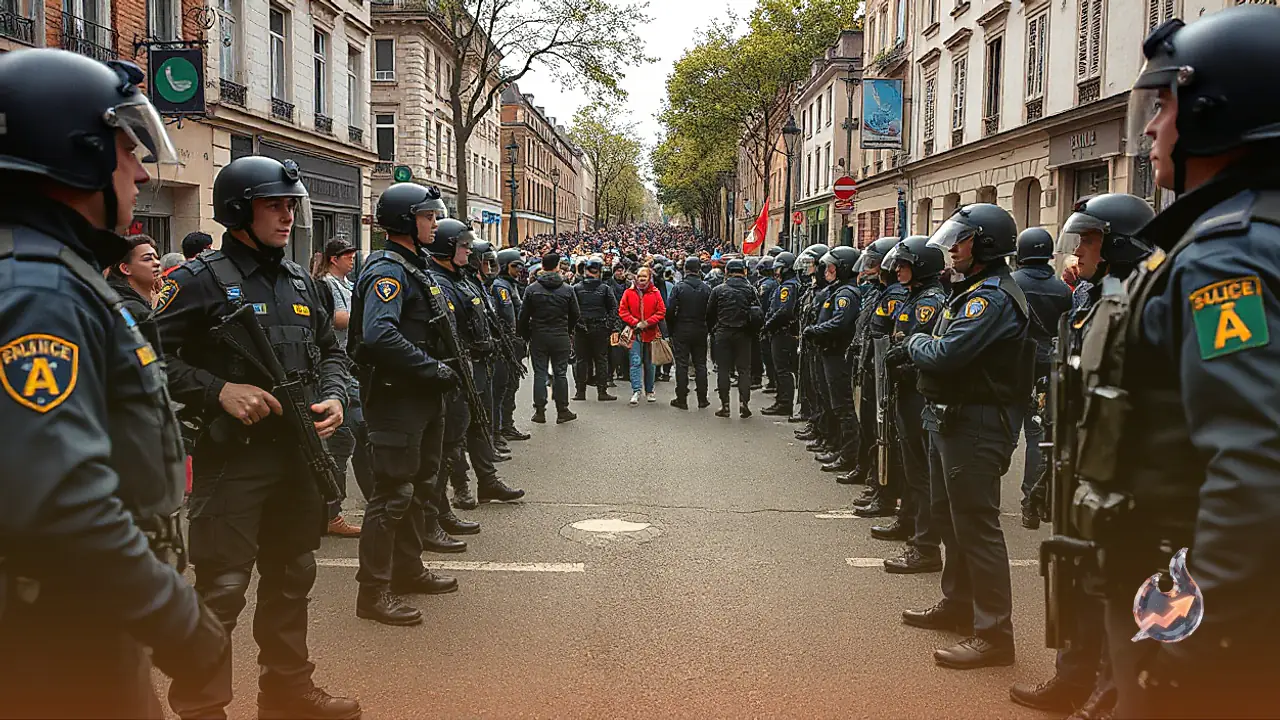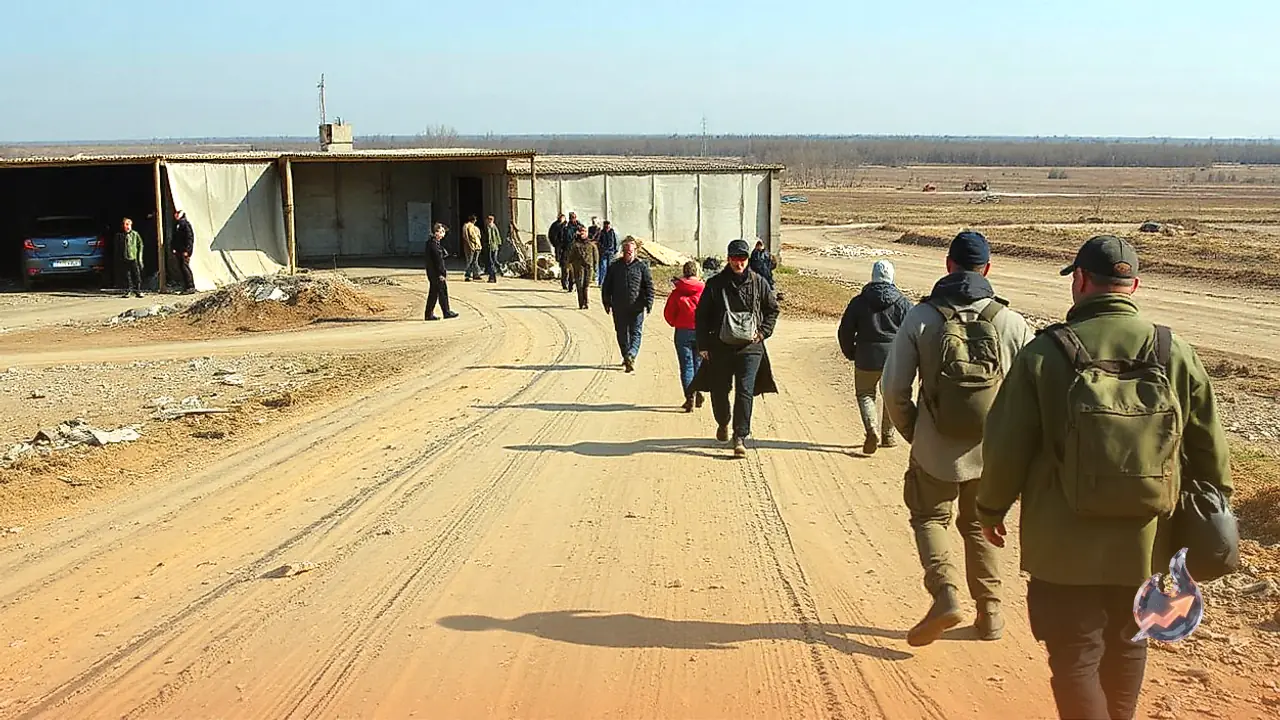





















Hundreds of civilians who endured years of relentless shelling, acute isolation, and deprivation in the Russian-occupied frontline city of Oleshky have crossed into government-controlled northern Ukraine. Arriving by coach at a military processing reception facility in the Chernihiv region on Saturday after a complex journey via southern Russia and Belarus, the evacuees stepped onto safe ground to reunite with relatives they had feared they might never see again. The profound physical and mental toll of the occupation was immediately evident, with severely weakened elderly residents carried from transport vehicles on stretchers alongside weeping families holding tightly to surviving pets.
A Narrow Window of Safe Passage
Russian troops captured Oleshky during the opening days of their full-scale invasion in February 2022. Positioned along the Dnipro River directly across from Ukrainian defensive positions, the settlement became an inescapable battle zone, hemmed in by water on one flank and Russian military concentrations on the other. For years, ordinary movement was strictly lethal due to heavy mine contamination and constant surveillance drones. A rare humanitarian ceasefire arranged through the mediation of US First Lady Melania Trump recently took effect across the wider Kherson territory, delivering the first consecutive days of relative calm to the district in four years and creating a protected corridor for civilian departure.
The evacuation window permitted on Friday was extremely tight, lasting a mere four hours. Authorities organised an emergency convoy comprising 25 buses designed to transport up to 750 residents, supplemented by specialised ambulances dispatched for individuals with severe mobility impairments. Evacuees were moved through Russian-held Ukrainian ground into southern Russia, flown northward into Belarus, and subsequently driven across the border into Ukraine's Chernihiv region on Saturday to undergo official identity registration and medical screening.
Surviving on Weeds Amid Lethal Minefields
Disembarking alongside their two adult children in their 30s and the family dog, Viacheslav and his wife Olha summarized their experience in blunt terms. Olha called the daily reality utter horror, while Viacheslav explained that stepping onto free ground felt like returning from hell itself. The family had remained inside their residence despite escalating artillery duels, terrified that attempting an escape across heavily mined roads while hunter drones patrolled overhead carried an almost certain death sentence.
As basic household supplies vanished entirely, the struggle to avoid starvation forced desperate decisions. Earlier this month, local residents attempted to forage for food by crossing known minefields. Those efforts proved catastrophic, with people stepping directly on hidden explosives, losing limbs, and dying in agony merely to secure sustenance. Those paralyzed by fear remained indoors, subsisting entirely on wild weeds gathered from residential gardens. Realizing that survival was becoming impossible, families committed to boarding the evacuation buses the moment the temporary truce was established.
Family Reunions and Ruined Homes
The reception area in Chernihiv witnessed intensely emotional scenes as separated family members embraced on the tarmac. When Mykhailo Palii stepped off his bus, his daughters Dasha and Anya sprinted toward him in tears, having spent years dreading that their father had been killed. Palii recounted how living conditions had continuously deteriorated. A direct blast had blown a massive hole through his bathroom wall, yet he chose never to inform his daughters during brief telephone calls to prevent them from panicking over the daily barrages of missile strikes and drone attacks.
Another arriving couple, Tetiana and Volodymyr, reached the centre carrying their pet cat. Their family home had burned completely to the ground three years prior, forcing them to squat inside an abandoned residence belonging to a neighbor who had fled earlier in the war. Tetiana explained that leaving behind the physical settlement caused them no regret, as their grown children were married and lived elsewhere, leaving them with no remaining family ties in the occupied zone. Nevertheless, those who escaped expressed persistent worry for the thousands of vulnerable neighbors who could not or would not secure a seat on the transport convoy.
The Long Path to Rebuilding Normal Life
According to prevailing estimates, up to 6,000 individuals, including roughly 200 children, were still residing throughout Oleshky and its immediate rural periphery prior to the convoy, with approximately 1,700 remaining within the city core itself. The departure of several hundred people represents a major relief effort, but it also thrusts the displaced into an uncertain future where they must locate permanent housing, secure employment, and recover from profound psychological trauma.
Palii voiced determination to immediately re-enter the workforce to support his household, stating that no manual labor was beyond his capability, whether digging trenches, hoeing land, planting crops, constructing shelters, or carrying out demolition. For Olha and Viacheslav, who have no immediate relatives elsewhere in Ukraine, the immediate plan involves staying with acquaintances for an extended period while seeking financial stability. Having endured years of confinement under active artillery fire, they expressed confidence that any hardship encountered in peaceful territory can be overcome.