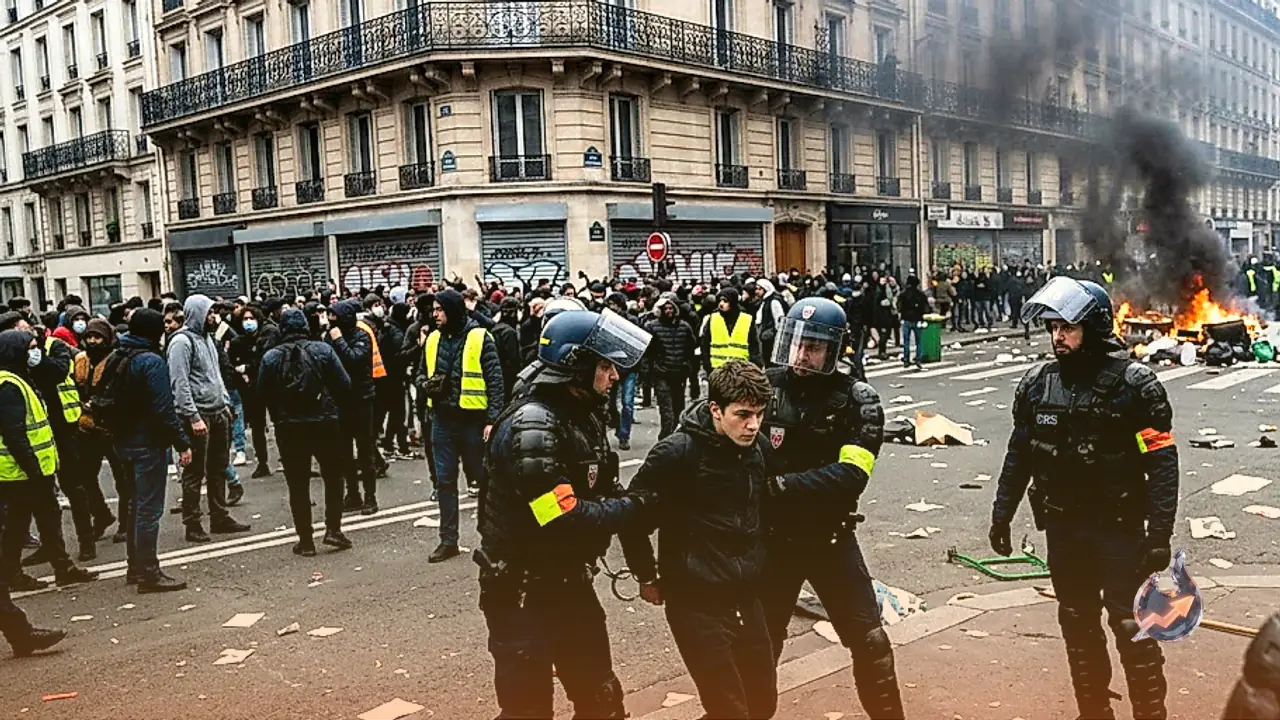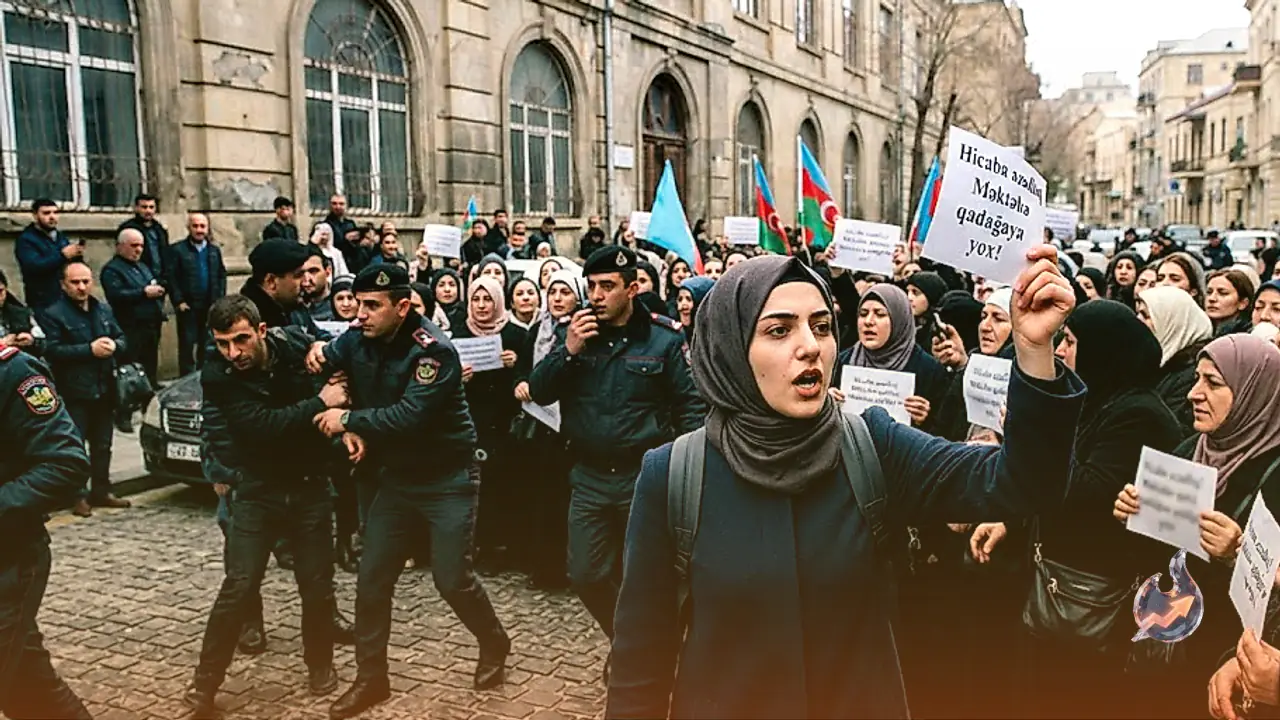
















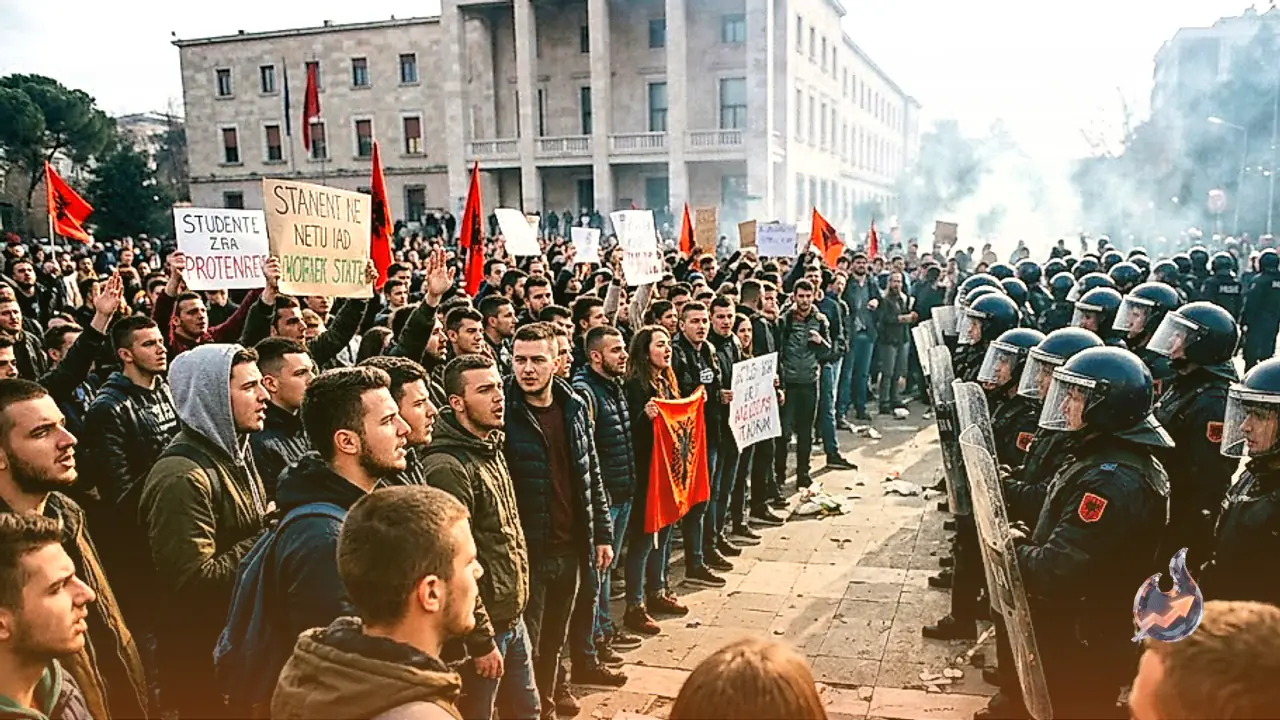

Central Tirana descended into chaotic confrontation on Saturday as anti-government unrest stretched into its fifth consecutive day. High school and university students faced off against lines of riot police guarding public administration buildings, turning major avenues of the Albanian capital into scenes of intense urban strife.
Clashes Erupt Around the Education Ministry and Government Boulevard
Tensions flared early around the education ministry, an administrative site that has become a major flashpoint since demonstrations began gaining momentum in early June. Masked demonstrators targeted the police perimeter defending the compound, hurling heavy stones and incendiary petrol bombs. Law enforcement units pushed back using water cannon and continuous barrages of tear gas to break up the advancing crowds. Witnesses on the ground also pointed to the deployment of rubber bullets for the first time during the current wave of unrest.
By Saturday afternoon, the bulk of the crowd mobilized along the capital's main boulevard toward the executive office of Prime Minister Edi Rama. The assembly grew significantly larger than on preceding days, confronting security personnel with salvos of cobblestones, bricks, and consumer fireworks. Police responded by launching dense rounds of tear gas, with several canisters landing deep into the rear lines of the crowd and triggering widespread panic. Whenever the toxic fog lifted, groups of demonstrators regrouped and pressed forward once again.
Urban Center Resembles Conflict Zone as Special Forces Move In
By nightfall, the heart of Tirana bore visible scars of prolonged street fighting, carpeted with broken window glass, charred street debris, and stones. Plumes of dark smoke from a torched vehicle drifted across the boulevard while emergency sirens from police vehicles and ambulances sounded without pause. Facing persistent unrest, authorities brought in police special forces units to bolster the frontline riot squads.
Casualties mounted on both sides of the barricades. Authorities have formally charged 80 individuals with public disorder offences, while hundreds of other demonstrators have been detained or placed under active legal investigation. Many participants in the crowd navigated the streets wearing gas masks or protective face coverings, as volunteers moved between groups carrying saline eyewash solution in syringes to alleviate the painful burning caused by tear gas.
Student Defiance and Demands for Political Overhaul
The core momentum of the movement is driven by young students who voice deep frustration with the established political hierarchy. Outside the scorched exterior of the education ministry, 19-year-old medical student George, who works as an electrician alongside his studies, wore protective goggles and wrapped a scarf around his face. Holding rocks intended for police lines, George justified the shift in tactics: "We have mothers too. We have family too. We were peaceful for 135 days. Now we are trying to do like in France… we are trying to make a revolution. Our government doesn't want peace, so we are using violence."
Among the younger participants was 17-year-old Klea, a first-year university student in Tirana. She explained that students across the board are actively boycotting academic lectures to stand up for their rights. However, she also raised concerns that organized provocateurs had infiltrated the gatherings, intentionally vandalizing retail shops and commercial bank branches to undermine the credibility of the wider demonstration.
Amid the growing gridlock, public figures have begun floating institutional exits. Osman Stafa, a prominent journalist at the News24 television channel who identifies as a social activist, proposed the installation of a neutral, caretaker administration tasked with overseeing state affairs for one year to prepare and conduct credible general elections.
Edi Rama's Long Rule Confronts Deepening Scrutiny
Prime Minister Edi Rama has led the Socialist Party government for 13 years, commanding a dominant grip on domestic politics comparable to the decades-long presence of his chief political rival, Democratic Party leader Sali Berisha. In the 140-seat national parliament, Rama retains a commanding majority with 83 seats, and regular parliamentary elections are not scheduled to take place until 2029.
The continuing street turmoil presents a sharp blow to the polished international profile Rama has cultivated across European capitals, where his administration has generally enjoyed goodwill as Albania seeks formal European Union accession by 2030. In a public message posted on Saturday morning, Rama appealed to citizens to remember that the country has achieved extraordinary progress during his tenure. He dismissed the street mobilization as a project orchestrated by the opposition Democratic Party, alongside what he characterized as a hidden agenda pursued by foreign actors aiming to derail Albania's integration path toward the EU, though he did not specify who those foreign actors were.
Special Prosecution Probes Deepen Institutional Pressure
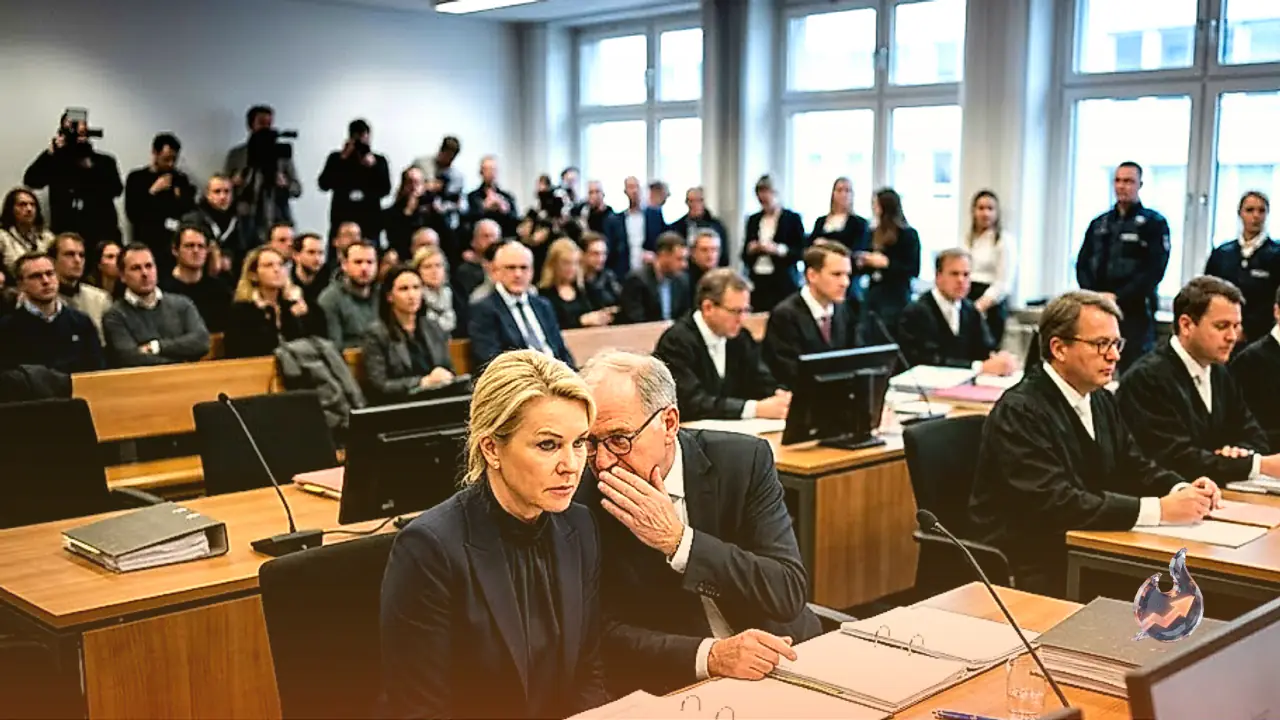
Beyond street demonstrations, Rama faces mounting pressure from an aggressive series of anti-corruption investigations led by Albania's special prosecution service. Established in 2019 following sustained backing and pressure from the United States and the European Union, the specialized agency recently placed intelligence agency chief Vlora Hyseni under arrest. Prosecutors allege that Hyseni assisted a prominent businessman, former public official, and personal associate of Rama, 39-year-old Ergys Agasi, in evading legal scrutiny.
Agasi remains in custody. Through legal counsel, he has denied all wrongdoing, maintaining that he has no ties to corrupt activities. For her part, Hyseni stated to investigating magistrates that her communications with Agasi were aimed solely at recruiting him into the intelligence apparatus. Multiple domestic media outlets have reported allegations that Agasi acted as an informal bridge between the prime minister's circle and organized crime syndicates. Rama has publicly acknowledged personal familiarity with Agasi, but firmly denies any awareness or involvement in illicit dealings.
Evaluating the prime minister's vulnerable domestic standing, university lecturer and political analyst Lutfi Dervishi pointed out that Rama's consolidation of power has backfired. Dervishi observed that Rama has become caught between difficult choices and is effectively a victim of his own political success, as concentrating immense authority in his own office has left him as the sole target for all public frustration and discontent.