















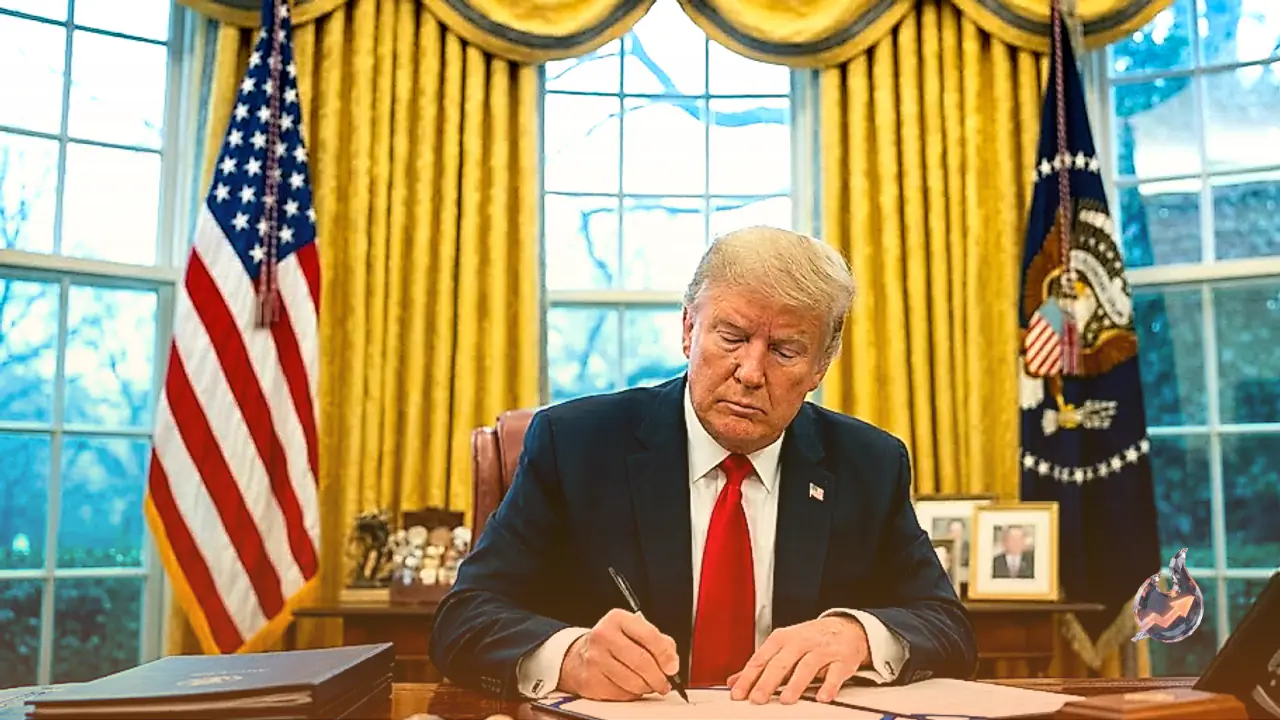

US President Donald Trump has issued a late Friday executive order halting the activation of several congressional penalties directed against Russia. The legislative package had been overwhelmingly cleared by lawmakers on Capitol Hill to exact economic costs on Moscow for its military campaign across Ukraine. In justifying the intervention, the White House stated that withholding portions of the measures was essential to safeguard broader domestic and strategic interests, overriding a statutory package signed into law in September that was scheduled to take full effect on Sunday.
Midterm Politics and the Push for Russian Fuel
The presidential maneuver closely tracks an earlier initiative to purchase Russian diesel. That fuel strategy was crafted to temper domestic retail fuel costs ahead of the upcoming November midterm elections, a contest that will ultimately decide control of both chambers of Congress. The proposal to buy Russian refined petroleum triggered immediate shock and pushback across both political parties in Washington.
The governing statute carries the name of South Carolina Republican Senator Lindsey Graham, a dedicated supporter of Ukrainian sovereignty in Washington until his death on July 11. Designed to degrade Moscow's financial durability, the legislation granted the executive branch expansive legal authority to impose trade duties climbing as high as 100 percent on the five biggest international purchasers of Russian crude oil and natural gas, most prominently India and China.
Broad Powers Against State Institutions and Shadow Tankers
Beyond sweeping secondary tariffs, the Graham legislation established direct punitive sanctions against Russian President Vladimir Putin, prominent members of his ruling cabinet, major state banks, and the wider commercial financial system. It additionally focused on the clandestine maritime network of covert tankers that Moscow utilizes to bypass Western energy restrictions and market its petroleum globally.
On Thursday, a bipartisan coalition of 20 congressional representatives forwarded a formal letter urging the executive branch to uphold the new statute, which was slated for formal implementation on October 18. While thanking the administration for initially enacting the legislation, the lawmakers pressed for its thorough and faithful application, asserting that uncompromising enforcement remained essential to compel Putin into meaningful diplomatic talks and demanding that the statutory measures be implemented immediately without compromise.
Domestic Criticism and European Defense Preparations
The administration's decision drew swift condemnation from Democratic ranks. Virginia Representative Don Beyer accused the executive branch of abandoning democratic commitments to Kyiv and capitulating before the Kremlin. Posting on the social platform X, Beyer declared that the latest concession to Putin represented an open betrayal of Ukrainian allies while deliberately flouting congressional intent to hold Russia accountable for aggressive warfare.
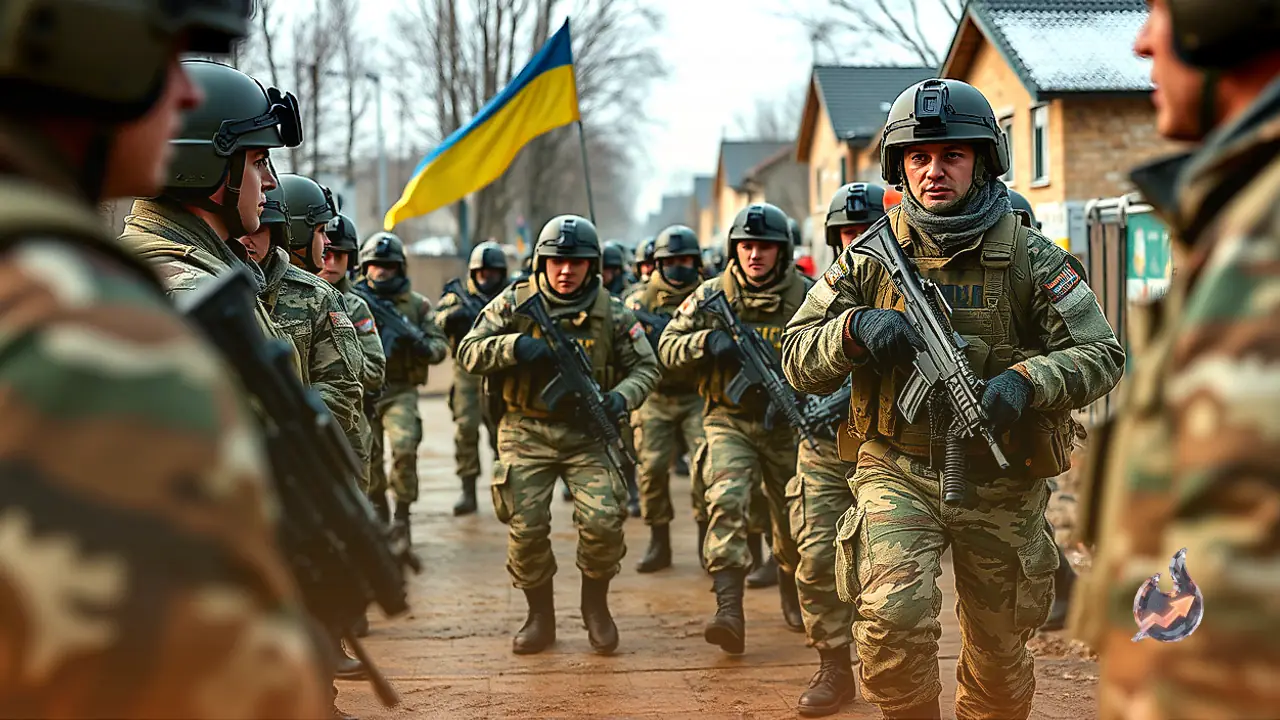
Across the Atlantic, European partners voiced deep misgivings that purchasing Russian petroleum products would provide direct economic subsidies to the Russian war apparatus. Against this tense geopolitical backdrop, armed forces from Britain, France, and Germany are preparing for extensive multinational military maneuvers in Poland next month.
British Defence Secretary Wes Streeting remarked that the forthcoming deployment would guarantee Allied preparedness to facilitate defense training operations and support the eventual postwar reconstruction required across Ukraine. Ukrainian President Volodymyr Zelensky also forcefully denounced the proposed diesel transactions, describing them as an unearned windfall for Putin that effectively amounted to financing a conflict that demands an immediate conclusion.
The Energy Ceasefire Dispute and Strategic Friction
The policy dispute follows a contested announcement on Sunday, October 11, when the US president asserted that Moscow and Kyiv had established a mutual halt to strikes targeting critical power installations, maintaining that the moratorium was operative immediately despite providing no structural framework. Ukrainian authorities initially responded with surprise but agreed to suspend long-range bombardments on energy facilities if Russian forces mirrored the restraint. However, Russian officials denied entering any such understanding and persisted with missile and drone assaults, prompting Kyiv to resume offensive operations three days later.
The subsequent Ukrainian strikes against Russian oil refining infrastructure drew harsh reprimands from Washington, where presidential remarks characterized the bombings as unacceptable. In response, Zelensky maintained that Ukrainian operations were driven strictly by the sovereign necessity of defending national survival.
Starlink Restrictions and Intelligence Threats
Strains deepened further following unexpected operational throughput curbs on the Starlink satellite internet network, a communications backbone indispensable to Ukrainian tactical battlefield connectivity. During a severe bandwidth throttling incident on Tuesday night, Russian forces conducted multiple lethal bombardment strikes across several Ukrainian population centers, with municipal officials and citizens confirming that civilian sirens and warning systems failed to trigger beforehand.
By Friday, Zelensky described the ongoing communications throttling as an alarming and unwelcome development, noting that Starlink data transfer performance had yet to recover to standard levels. These logistical headwinds emerge alongside prior warnings from Washington indicating that strategic military intelligence feeds could be halted entirely if Ukrainian command units continue targeting fuel facilities inside Russian borders.