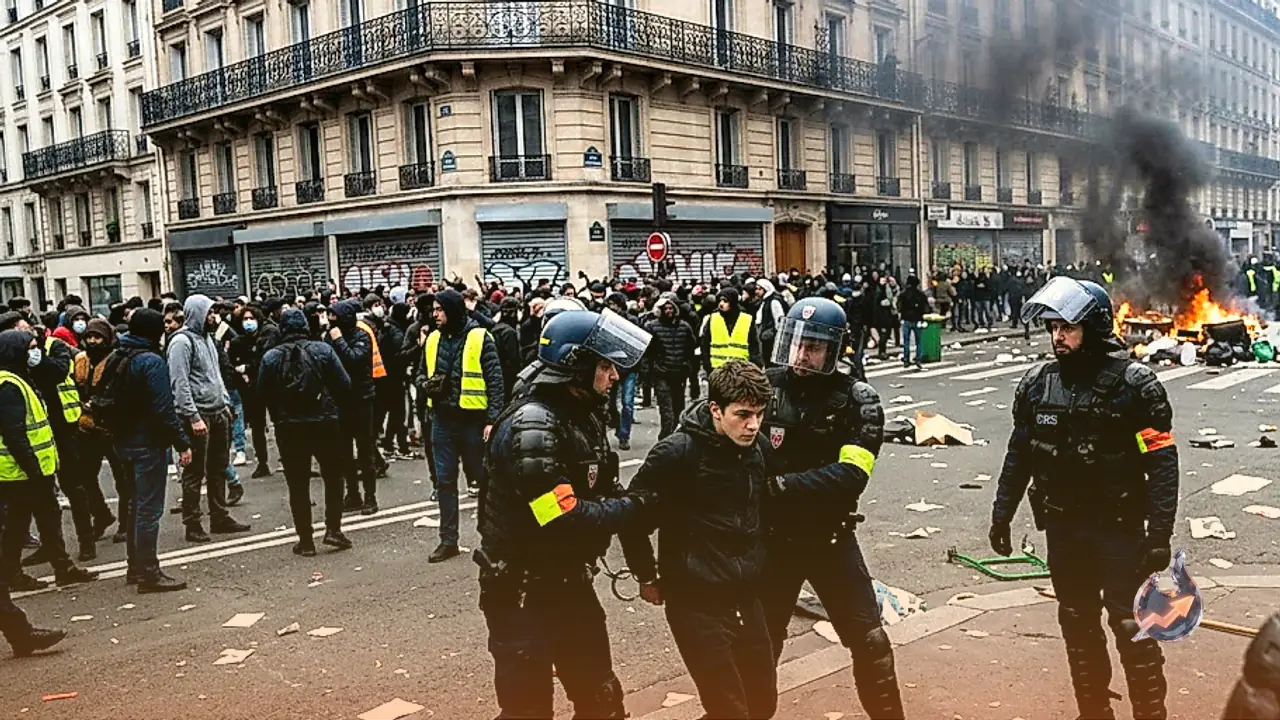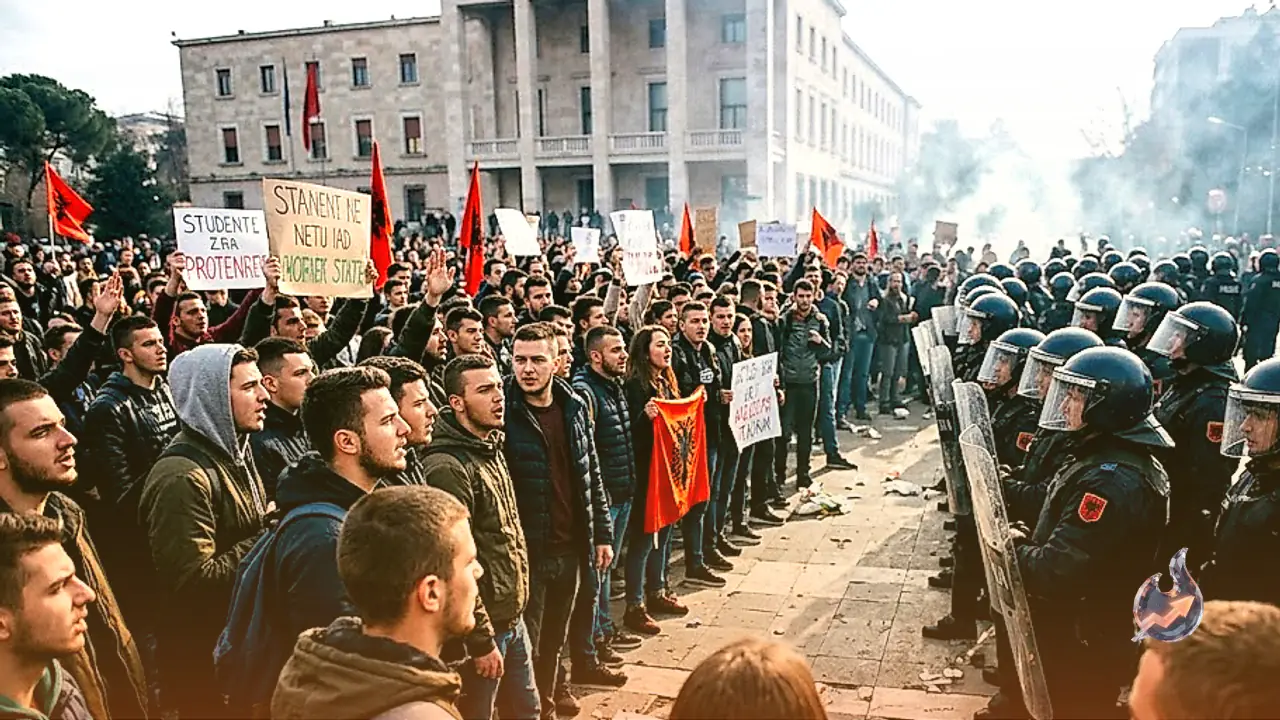























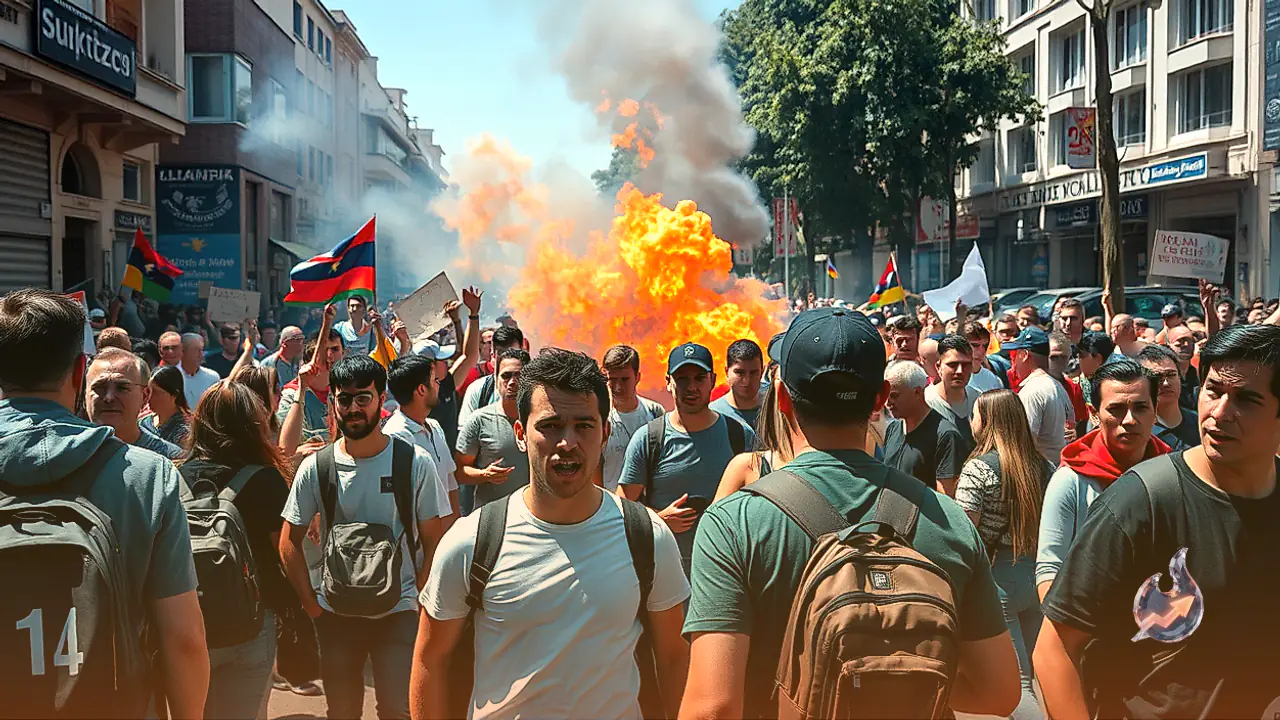

Riot police and crowds of demonstrators have engaged in fierce battles across Albania's primary urban hubs, creating volatile scenes unseen in the nation for an extended period. The disturbances quickly moved outward from the capital of Tirana, engulfing other major population centers including Durres, Shkoder, Korce, and Vlora. Public buildings alongside commercial properties suffered direct attacks during the unrest. Initially organized as a student initiative to confront soaring textbook expenses, university fees, and the relentless pressure of living costs, the demonstrations expanded rapidly after secondary school pupils joined the ranks. Tensions reached a breaking point as masked participants began pelting security forces with rocks, prompting law enforcement to unleash batons, tear gas canisters, and water cannons. The turmoil escalated further when an entire floor of the education ministry was set ablaze, with multiple other public facilities also suffering fire damage.
Public Outcry Over Force and Mounting Injuries
The severity of the crackdown triggered immediate fury across the country, particularly after footage surfaced showing an injured demonstrator being carried through the crowd with an agonizing, broken leg dangling. While official apologies were tendered following the incident, they proved utterly ineffective in quelling the street fury. Dozens of officers have sustained injuries during the nightly confrontations, heightening European scrutiny as Albania actively pursues membership in the European Union. Demonstrators emphasized that the latest wave of unrest is a direct reaction to months of official indifference. Livia, a young participant, stated that nearly five months of calm assembly had been dismissed with mockery and humiliation by authorities. Another demonstrator named Brunela expressed deep alarm over state and media pushback, emphasizing that these events represent the authentic frustrations of the nation's youth rather than isolated complaints.
From Peaceful Flamingo Vigils to Fiery Street Confrontations
The current turbulence marks a drastic shift from the peaceful gatherings that defined Tirana's central district earlier in the year. For roughly 140 consecutive evenings across an unusually scorching summer, citizens staged daily demonstrations brandishing images of pink flamingos to demand the departure of Prime Minister Edi Rama, who is currently serving his fourth term. That movement originated as an environmental pushback against a colossal Adriatic coastal tourism development connected to Jared Kushner, the son-in-law of US President Donald Trump. Conservationists warned that the proposed luxury real estate venture would wipe out flamingo populations inhabiting an island situated near Vlora. Entire families, ranging from small children to grandparents, regularly participated in those evening vigils and took pride in clearing all litter before departing. Over time, extreme heat and lack of institutional response thinned the crowds, paving the way for the current, far more aggressive student uprising.
Corruption Scandals Rock the Administration
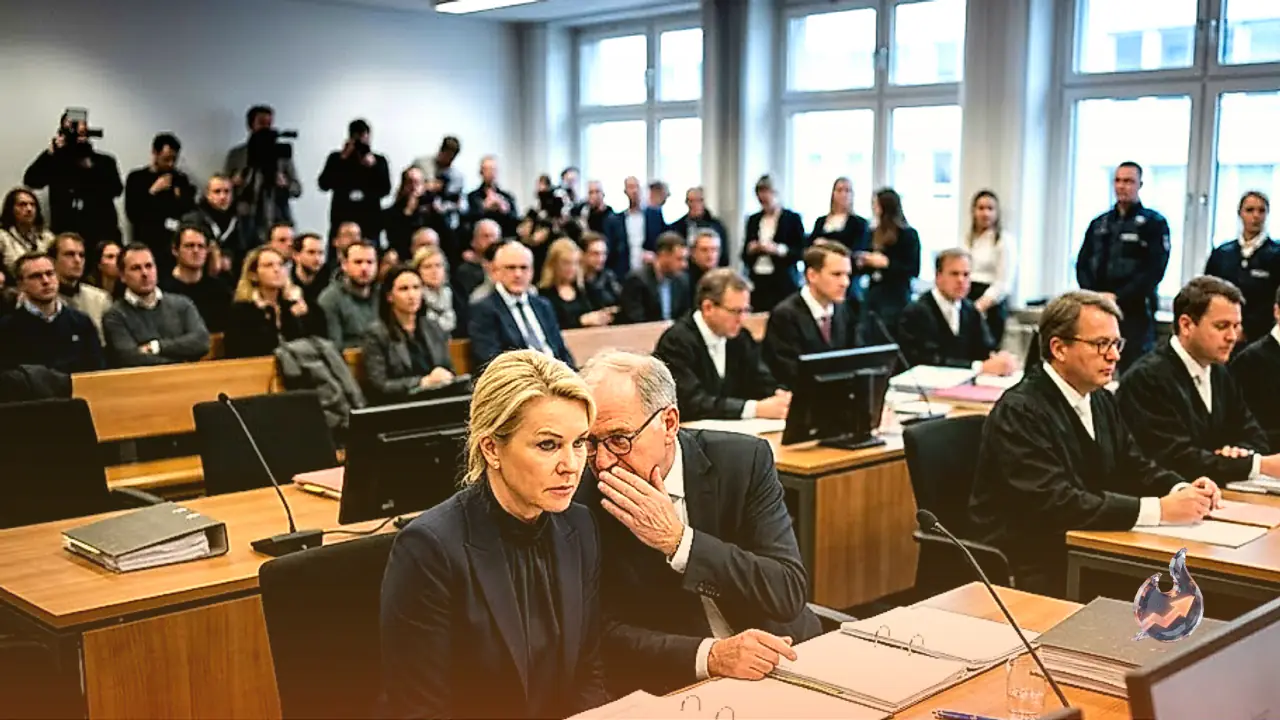
Deep-seated anger over government integrity sits at the heart of the ongoing mobilization. Public scrutiny has intensified following a series of corruption allegations aimed at high-ranking officials and cabinet members. The legal fallout has already seen one deputy prime minister flee the country, while another was formally ordered to vacate office to permit judicial proceedings to move forward. Demonstrators from the flamingo campaign maintained strict political neutrality, often chanting demands for the imprisonment of both Prime Minister Rama and prominent opposition figure Sali Berisha. Berisha, who previously held office as president and prime minister, now leads the Democratic Party. While the flamingo organizers have not formally endorsed the student actions and no centralized leadership has surfaced for the current rallies, both groups share profound grievances over entrenched state graft.
Blame Games and Geopolitical Accusations
Inspecting the blackened structures and smashed properties across the capital, Prime Minister Rama dismissed all calls for his resignation. He firmly asserted his intention to address legitimate grievances while maintaining governance, but directly accused Sali Berisha of orchestrating the street violence. Rama characterized the unrest as the malicious work of political forces determined to burn the country rather than permit progress. Despite Rama's accusations, Berisha's loyalist faction has struggled to generate comparable crowd turnouts in recent months, leading analysts to question whether the opposition actually commands sufficient influence to mastermind demonstrations of this scale. In addition, domestic media and government officials have floated unsubstantiated claims alleging foreign intelligence meddling, particularly pointing toward Serbia. Rama openly suggested that external actors are seeking to sabotage Albania's progress toward full European integration whenever the nation reaches key diplomatic milestones. While the confrontations remain contained within major cities for now, authorities have voiced alarm over the potential damage to national prestige and vital tourism revenues.