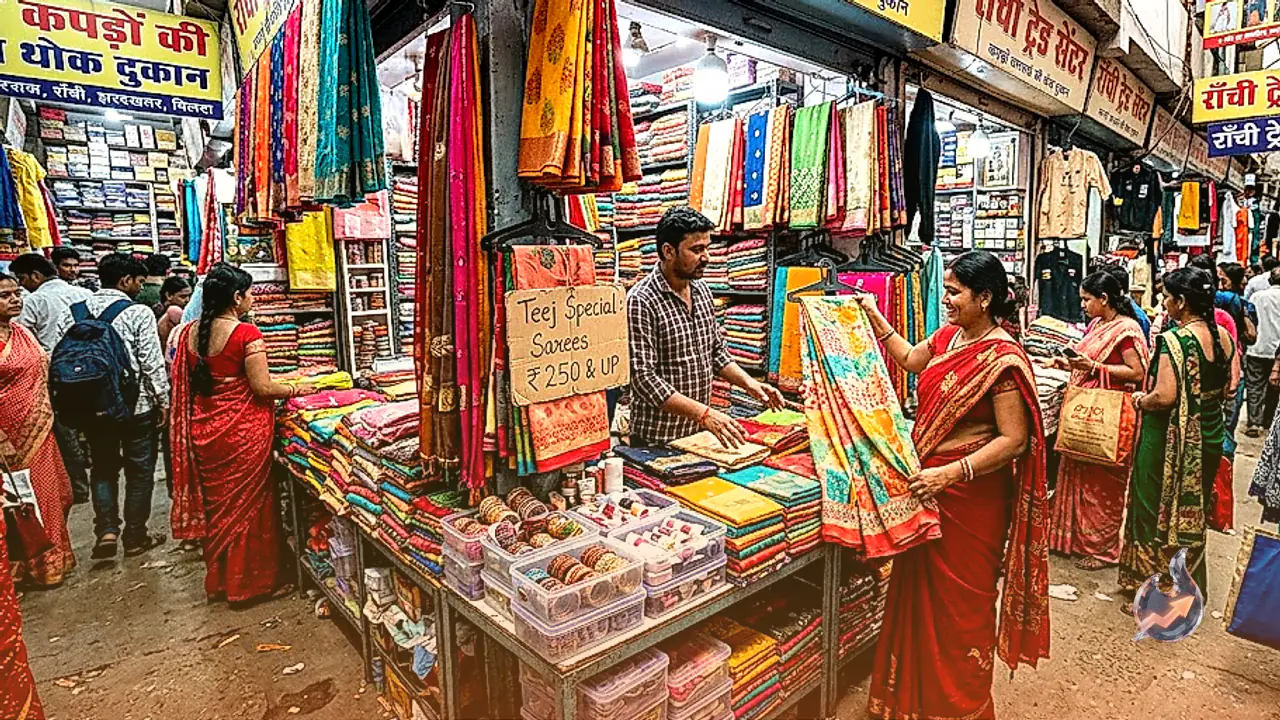



















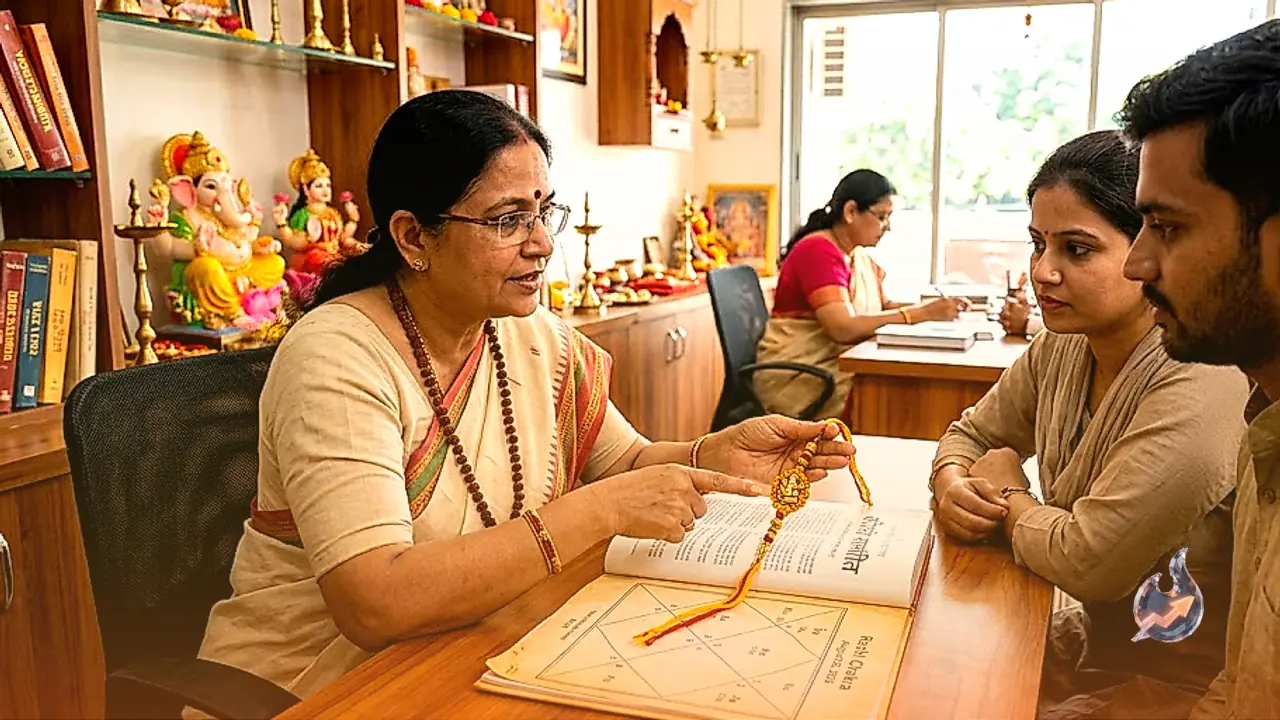

The festival of Raksha Bandhan is celebrated every year on the Purnima tithi of the Sawan month with great devotion and enthusiasm. Representing the sacred bond between brothers and sisters, this auspicious day involves sisters tying a protective thread known as Rakhi around their brothers' wrists while praying for their longevity, wellness, and prospering growth. In return, brothers pledge to protect their sisters throughout their lives. While picking out a Rakhi from the market, focusing solely on aesthetics is not enough. According to principles derived from Vastu Shastra and astrological beliefs, purchasing certain varieties of Rakhis should be avoided as they may inadvertently attract negative influences into one's life.
Sawan Purnima Date and Auspicious Timings for Raksha Bandhan 2026
According to the Panchang, the Purnima tithi of the Shukla Paksha in the month of Sawan begins on 27 August 2026 at 9:08 AM. This tithi comes to an end on 28 August 2026 at 9:48 AM. Based on traditional calendar calculations, the festival of Raksha Bandhan will be celebrated on 28 August 2026.
The ritual period for Raksha Bandhan on 28 August is set between 6:23 AM and 9:48 AM. For tying the Rakhi, the first auspicious muhurat is available until 5:58 AM. Additionally, the Abhijit muhurat will take place from 12:04 PM to 12:53 PM. Both of these time slots are considered highly auspicious for tying the thread of protection.
6 Types of Rakhis to Strictly Avoid According to Vastu
Astrological advice indicates that not every design available in stores is suitable for a brother's wrist. Consumers are advised to avoid six specific categories of Rakhis during their festival shopping
- Plastic Rakhis: Astrologers recommend avoiding any Rakhis made of plastic materials. Instead, selecting threads crafted from pure silk is considered far more auspicious.
- Rakhis with Images of Deities: Threads featuring images or figures of gods should be avoided. According to religious tradition, tying sacred divine images on the wrist is deemed inappropriate due to concerns over maintaining purity during daily activities.
- Black Colored Rakhis: Black is traditionally considered an inauspicious shade for sacred ceremonies. Sisters should abstain from buying black Rakhis and opt for positive hues like red, saffron, or yellow.
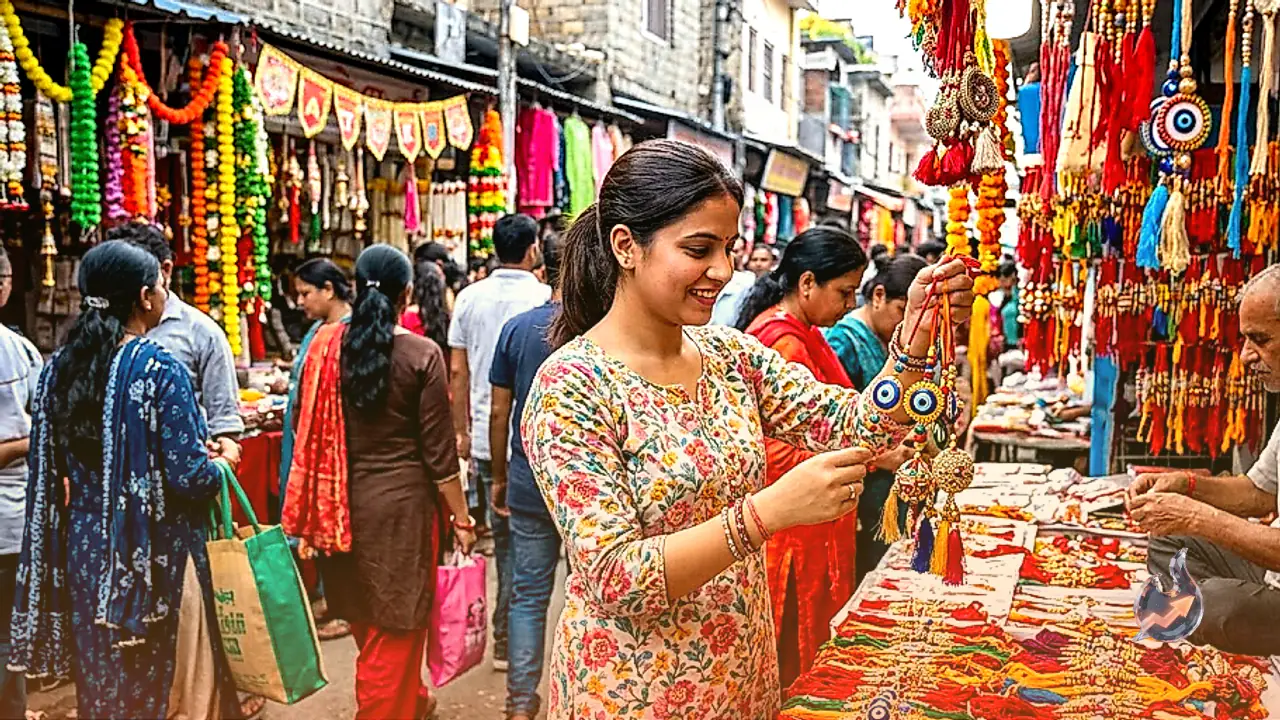
- Evil Eye Rakhis: Although evil eye motifs have grown trendy, traditional beliefs associate these symbols with negative energy. Thus, picking an evil eye Rakhi is discouraged.
- Damaged or Defective Rakhis: Always inspect the Rakhi to ensure no bead is cracked, no thread is frayed, and no component is missing or detached. Tying damaged items is considered unfavorable.
- Rakhis Bearing Inauspicious Symbols: Avoid purchasing items printed with dark or unholy symbols. From a spiritual perspective, only Rakhis carrying sacred and traditional symbols should grace a brother's wrist.