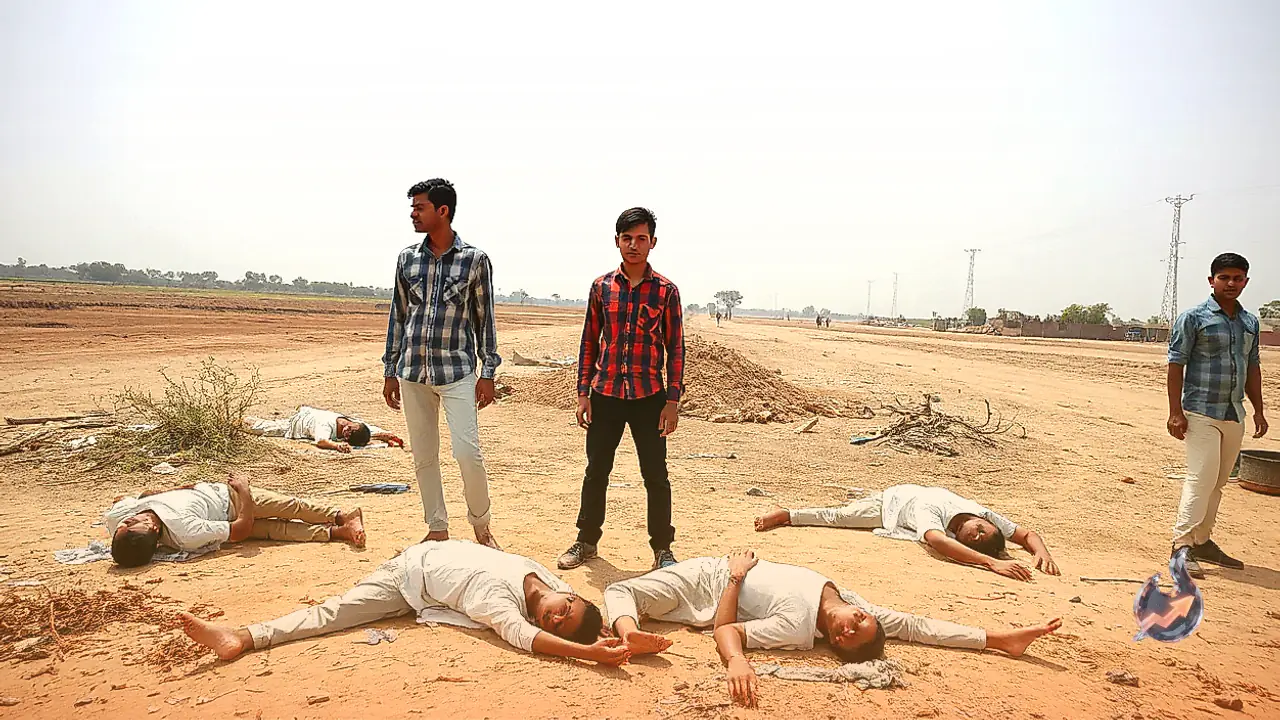




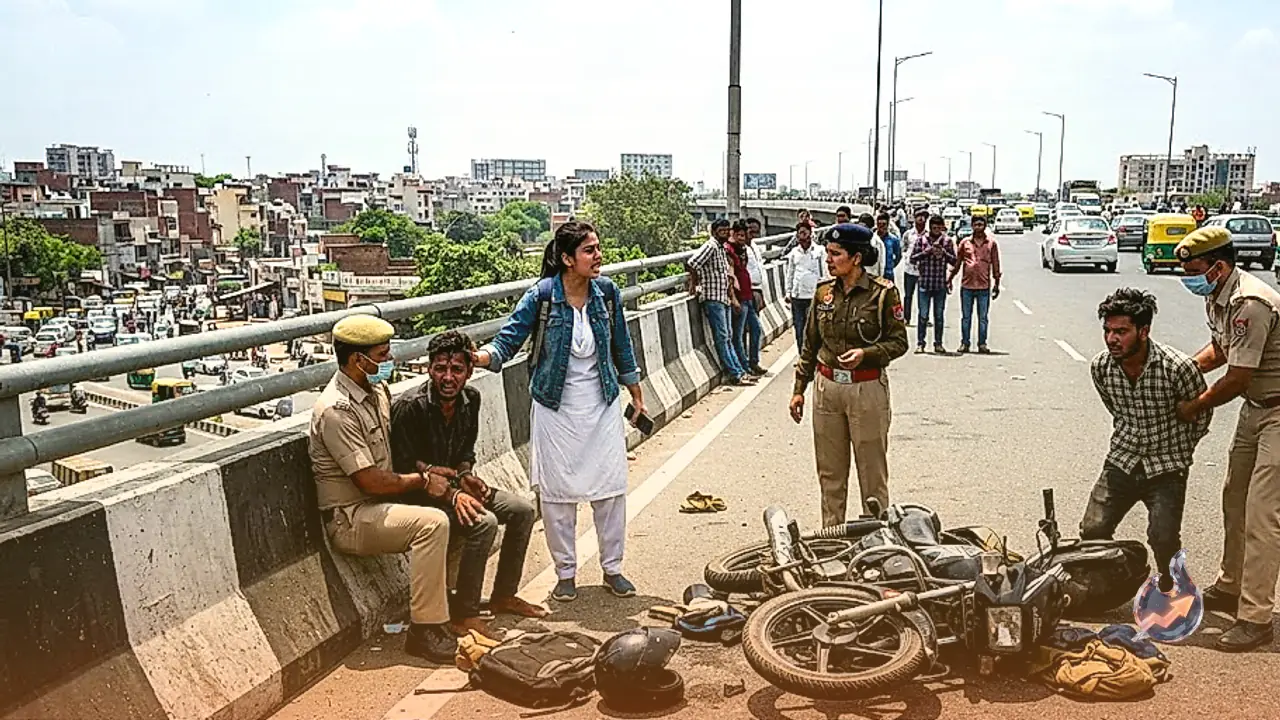















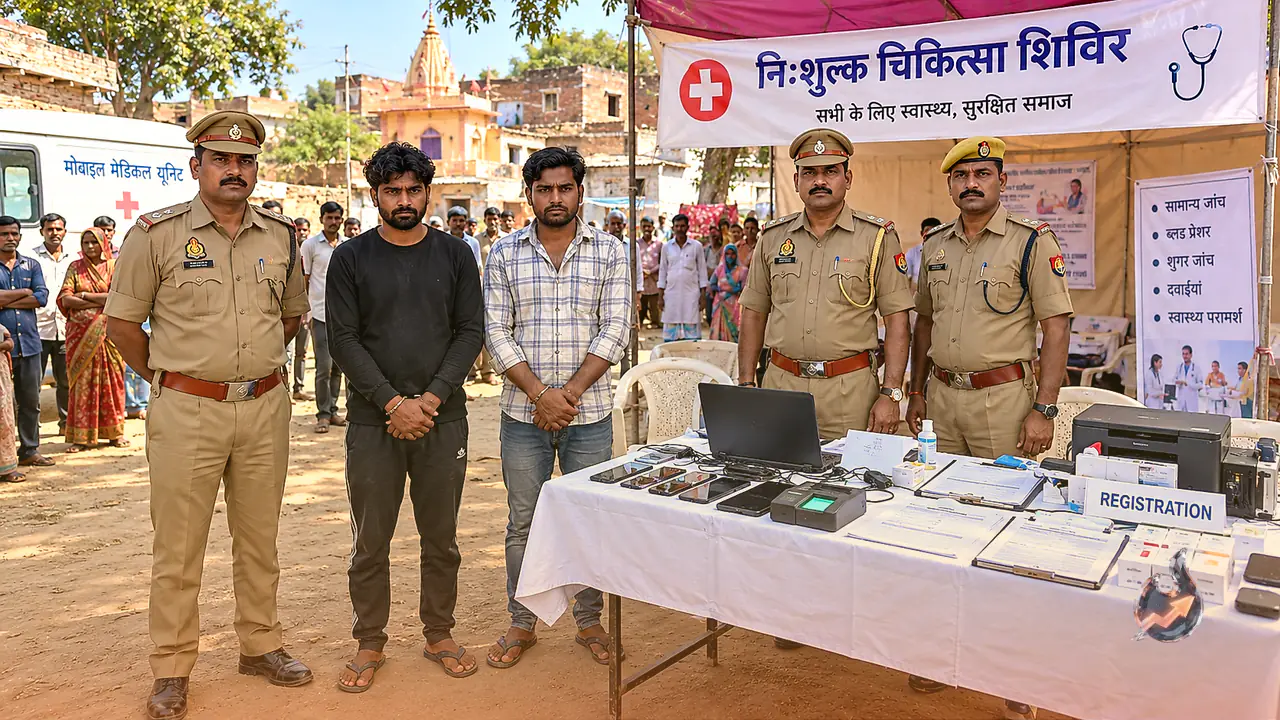

While investigating a high-stakes cyber fraud case involving the extortion of Rs 1.64 crore under the guise of a digital arrest, investigators from Delhi Police uncovered an intricate operational model straight out of a crime thriller. The syndicate targeted rural communities by organizing unauthorized medical camps, luring vulnerable villagers with promises of heavily discounted medicines. Under the pretense of health registrations, the operatives gathered Aadhaar cards and biometric details, subsequently using these authentic credentials to issue cellular connections that were transformed into embedded SIM profiles and auctioned online to cybercriminals. The Intelligence Fusion and Strategic Operations, or IFSO, unit of the Special Cell has arrested two key suspects from the Mathura district of Uttar Pradesh.
Two Weeks of Intimidation and Rs 1.64 Crore Siphoned Across Six Accounts
The genesis of the investigation traces back to a complaint filed by a victim named Srinivas, who became the target of a psychological coercion scheme. Fraudsters initiated contact via WhatsApp, presenting fabricated accusations of serious legal entanglements. For approximately two weeks, the victim was kept under relentless intimidation in the name of a digital arrest, with perpetrators creating a hostile, claustrophobic environment that compelled absolute compliance with their demands.
Under intense mental coercion, the victim transferred a cumulative sum of Rs 1.64 crore across six distinct bank accounts through RTGS transactions. Realizing that he had been systematically defrauded, the complainant approached the authorities. On September 1, 2026, the IFSO unit of the Delhi Police registered an e-FIR under Sections 318(4) and 340 of the Bharatiya Nyaya Sanhita, launching a multi-layered technical inquiry to track the destination accounts and associated communication channels.
Technical Profiling and Midnight Raid in Mathura's Rural Belt
To identify and apprehend the culprits, a specialized operational team was constituted, comprising Sub-Inspector Amit Verma, Head Constable Giriraj, and Constable Ashish. The investigators analyzed call detail records, hardware signatures, and digital breadcrumbs linked to the mobile devices utilized during the extortion. Tracing the physical movement and origin of the communication lines led the team to the Vrindavan-Mathura belt in western Uttar Pradesh.
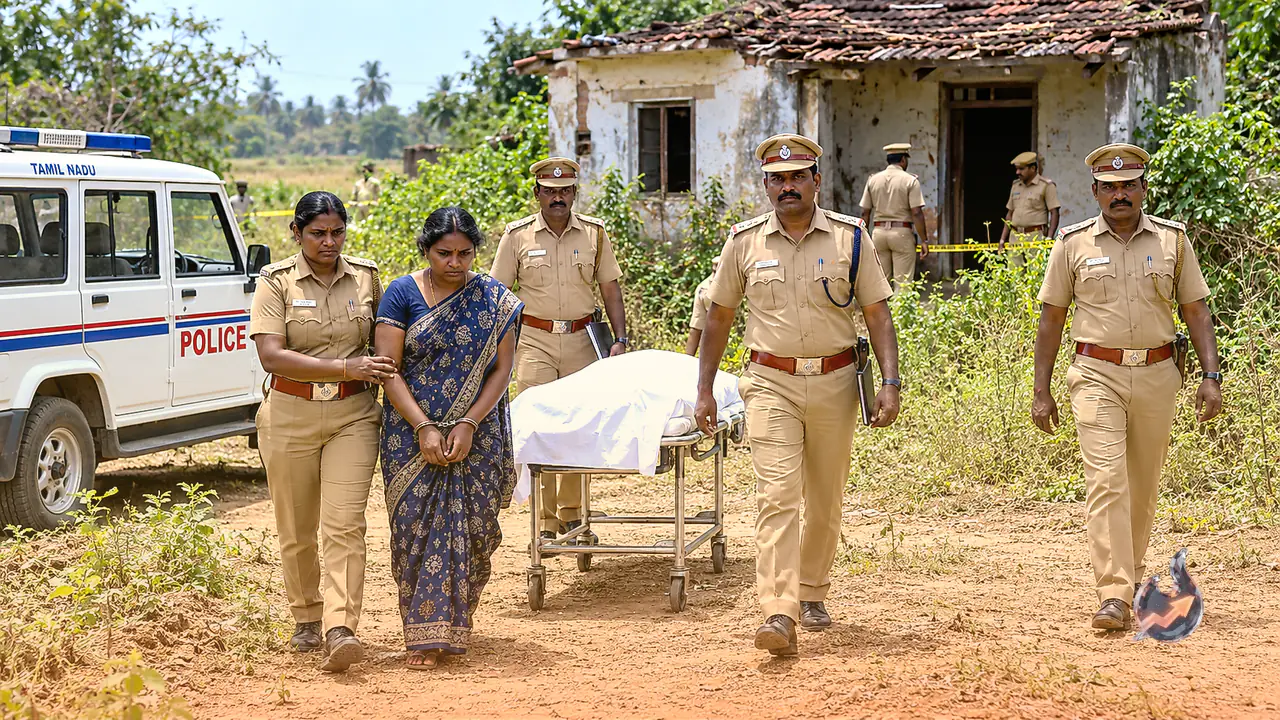
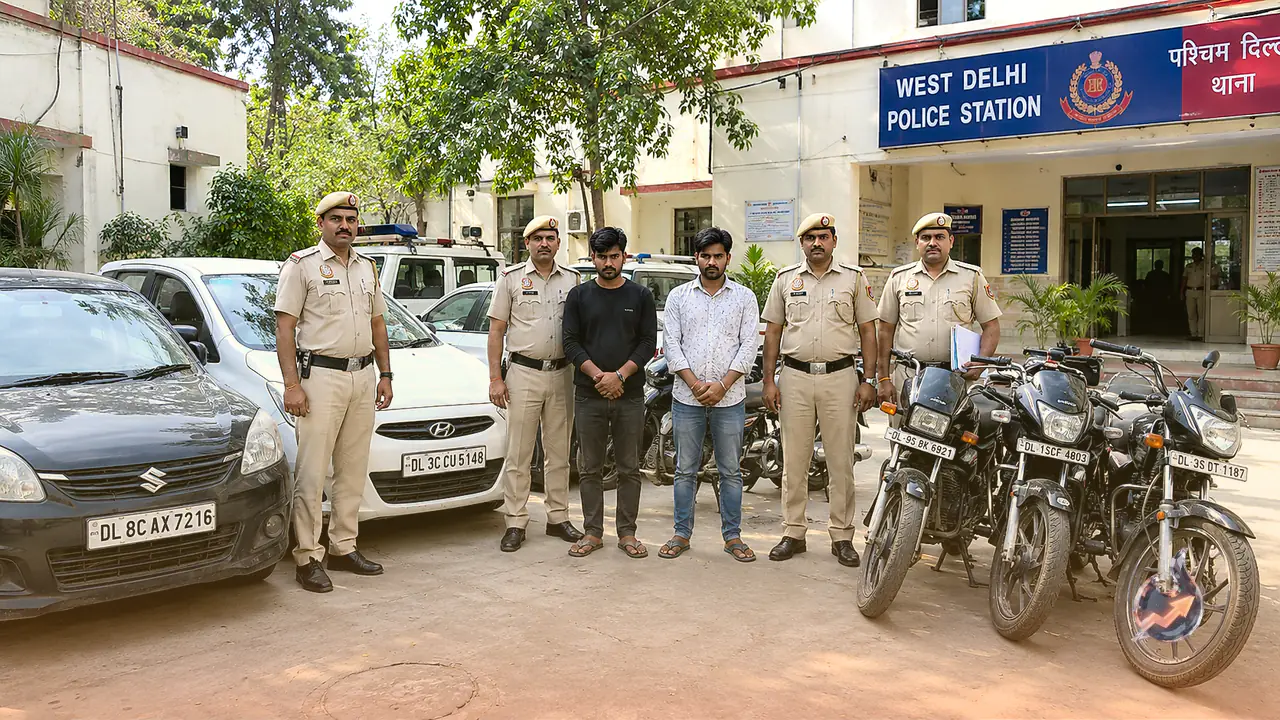
Acting on actionable intelligence, the team conducted a targeted midnight raid during the intervening night of October 20 and 21, 2026, in Kota village, situated within the Farah administrative area of Mathura. Two individuals were apprehended on the spot and identified as 29-year-old Jitendra Singh and 21-year-old Brajesh Kumar. Both suspects are permanent residents of Fatiha village in Mathura's Farah area. Following their capture, the duo was transported to Delhi for sustained custodial interrogation.
Discounted Healthcare Pitch Used to Plunder Biometric Records
During questioning by the IFSO team, the suspects outlined their systematic exploitation of rural citizens. They confessed to staging unauthorized health camps in interior villages, using the promise of low-cost pharmaceuticals to draw crowds. Villagers seeking affordable healthcare submitted physical copies of their Aadhaar cards and provided fingerprint biometrics without suspecting that their identities were being weaponized.
Law enforcement officials determined that these authentic biometric verifications were submitted to telecommunication vendors to acquire physical SIM cards legitimately on paper. Investigators are actively assessing the true scope of the enterprise, determining how many distinct medical camps were conducted, the volume of rural identities harvested, the number of mobile connections activated, and whether corrupt local agents aided the operation.
Conversion to eSIM Profiles and Distribution Across Social Networks
Once genuine physical SIM cards were activated, the suspects converted the numbers into modern eSIM profiles. By generating digital QR activation codes, they eliminated the logistical need to transport physical plastic cards to end buyers. The resulting eSIM credentials and configuration codes were subsequently marketed and distributed via encrypted channels and social networks, including Facebook, Instagram, and Telegram.
Financial analysis conducted during the probe revealed that the operatives acquired or activated each identity connection at a cost ranging between Rs 800 and Rs 1,200. These ready-to-use eSIM profiles were then resold to cyber fraudsters for roughly Rs 2,000 each. Police confirmed that the two accused had been running this profitable pipeline for approximately one year, providing the critical anonymous infrastructure required for digital arrests and widespread financial scams across the country.