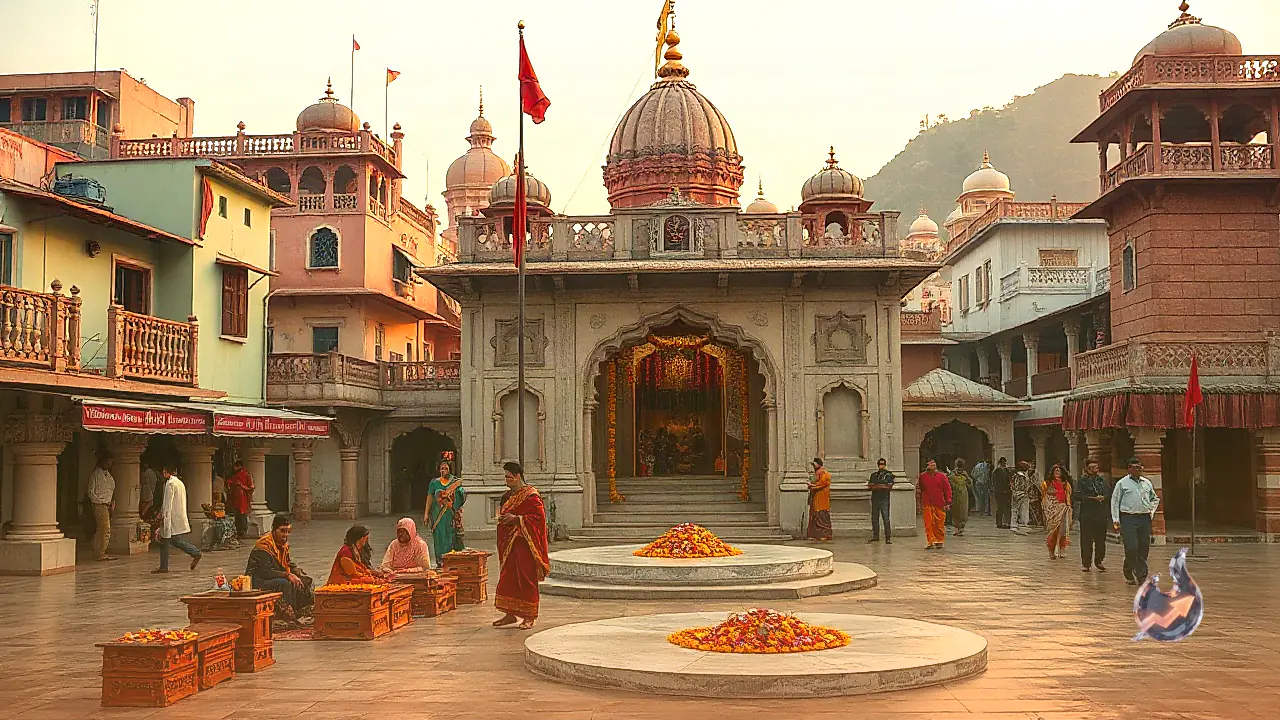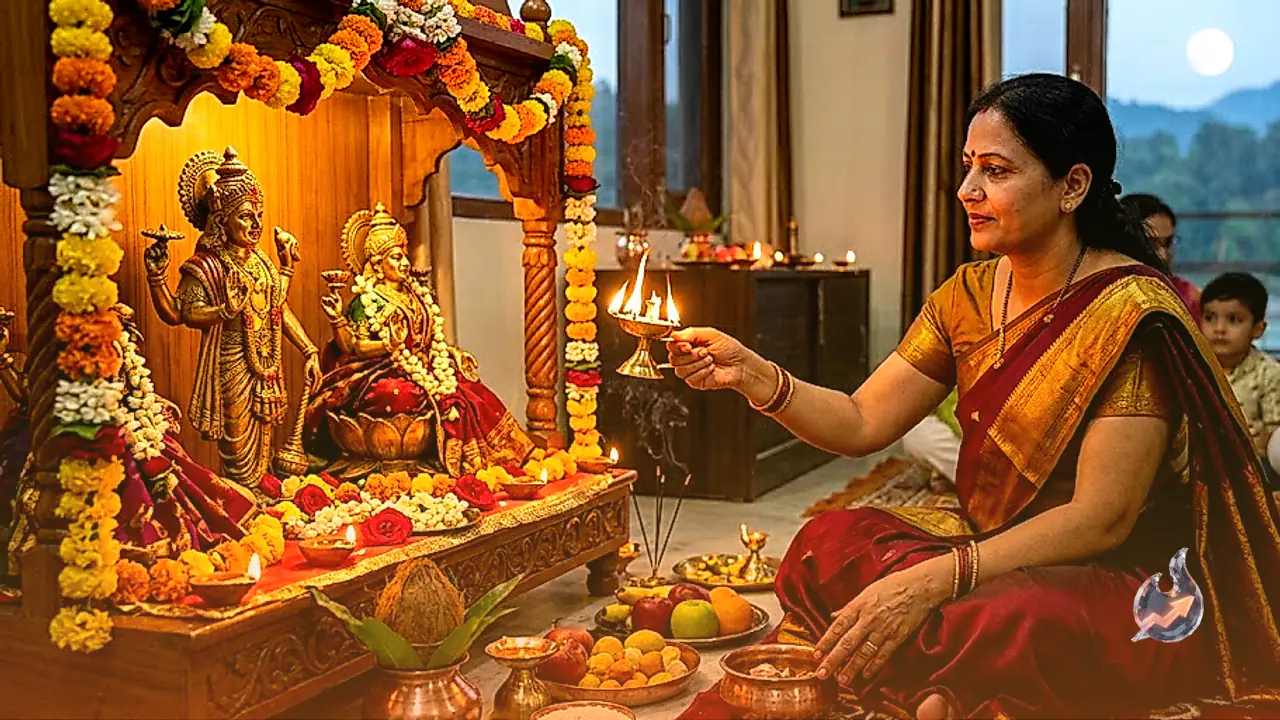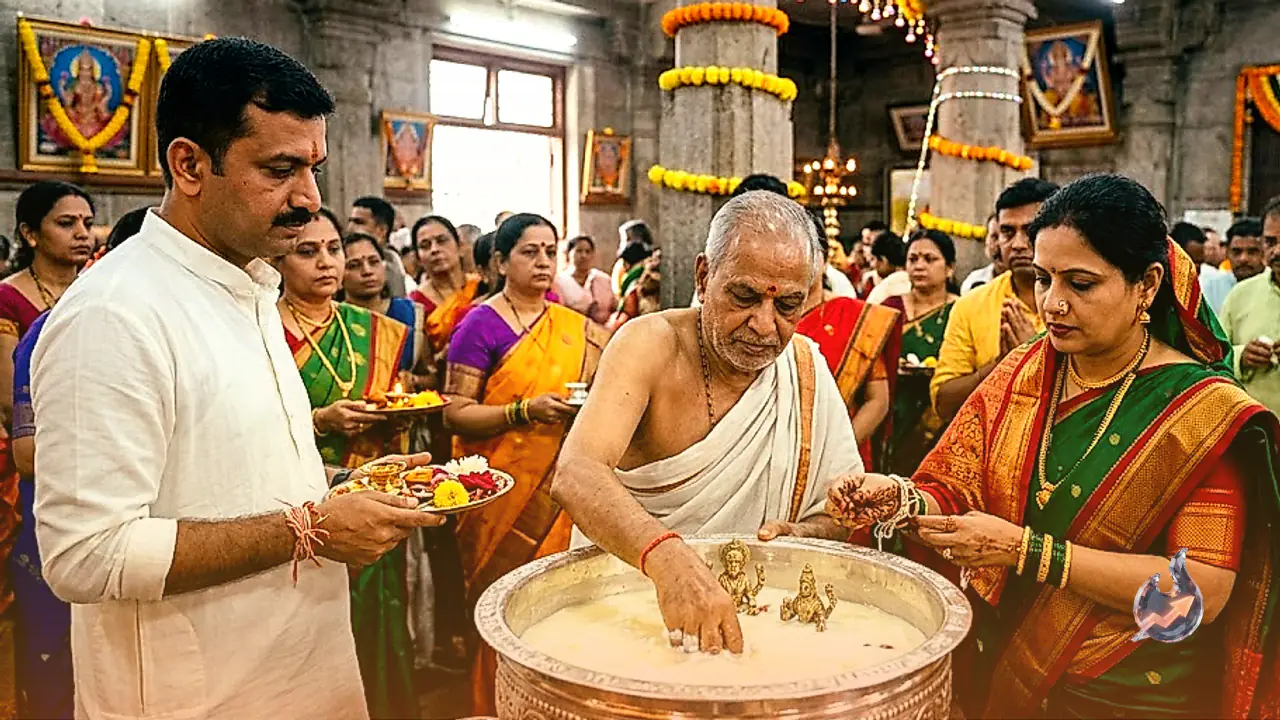
















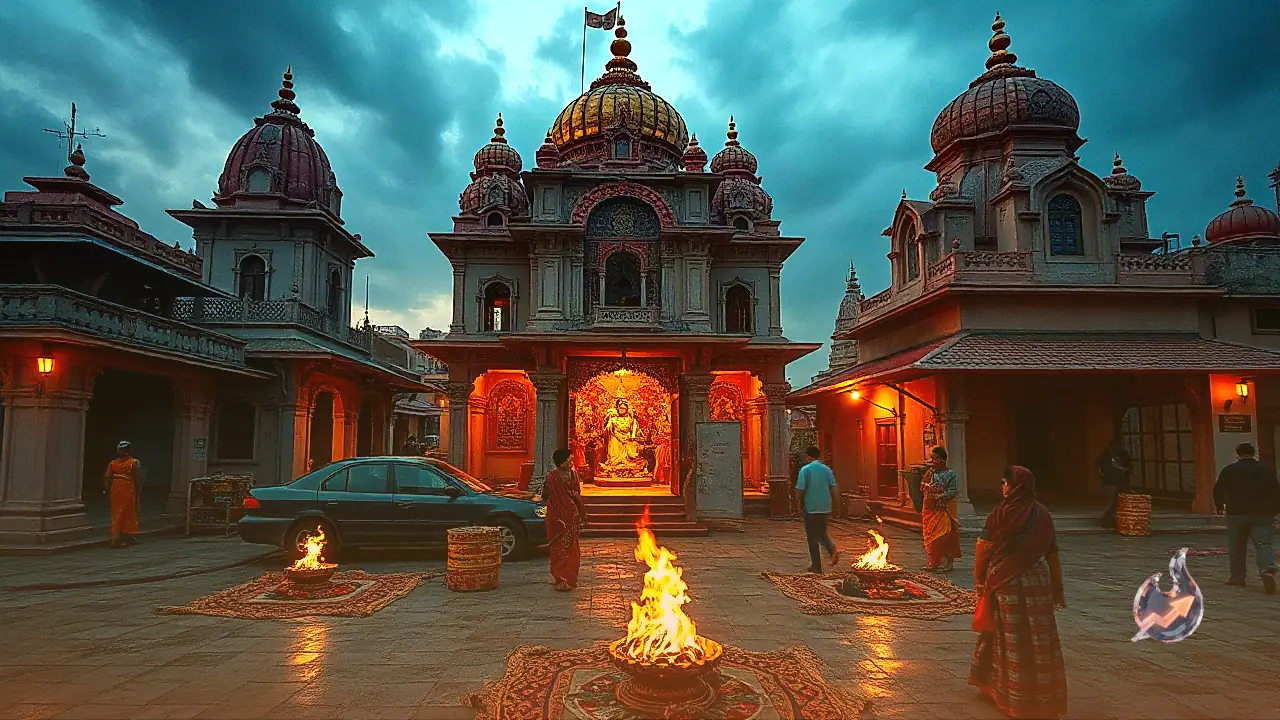

The Jivitputrika festival, widely known as Jitiya, holds immense religious significance within Hindu traditions and is observed during the sacred period of Pitru Paksha. On this auspicious day, mothers undertake a rigorous waterless fast to pray for the long life, robust health, and overall well-being of their children. According to traditional beliefs, women who observe this fast with utmost devotion are blessed with healthy, prosperous, and long-lived offspring. The rituals center around the worship of Lord Surya and the installation of a Kusha grass idol representing Jimutavahan. Geographically, this festival is predominantly celebrated across Bihar, Jharkhand, and Uttar Pradesh, along with significant popularity in neighboring Nepal.
Jitiya Vrat Date And Timings For 2026
The Jivitputrika festival falls on the Ashtami tithi during the Krishna paksha of the Ashwin month. According to the panchang, this tithi begins on October 3 at 07:59 AM and concludes on October 4 at 05:51 AM. Based on these calculations, the main day of fasting will be observed on October 3, 2026, when participating mothers will maintain a strict nirjala fast throughout the day.
Auspicious Muhurat For Jitiya Puja 2026
- Brahma Muhurat - 04:38 AM to 05:26 AM
- Pratah Sandhya - 05:02 AM to 06:15 AM
- Abhijit Muhurat - 11:46 AM to 12:34 PM
- Godhuli Muhurat - 06:05 PM - 06:29 PM
- Sayan Sandhya - 06:05 PM to 07:18 PM
Complete Jitiya Vrat Ritual Steps
- The primary worship during Jitiya involves honoring Lord Surya Narayan and King Jimutavahan.
- On the day of the fast, practitioners should wake up early, take a ritual bath, and put on clean clothes.
- Perform the standard ritual worship of Lord Surya Narayan with proper Vedic steps.
- Offer incense, lamps, and perform the aarti to seek divine blessings.
- Offer kheer or other traditional food preparations as bhog to the deities.
- The main worship ceremony for this fast takes place during the evening hours.
- Create clay and cow dung idols representing the kite and jackal for the evening rituals.
- Place the Kusha grass idol of Jimutavahan and offer flowers, rice, incense, and lamps.
- Conclude the worship by listening to the sacred fast narrative and performing charity.
- The fast is officially broken on the following morning after completing the post-fast prayers.