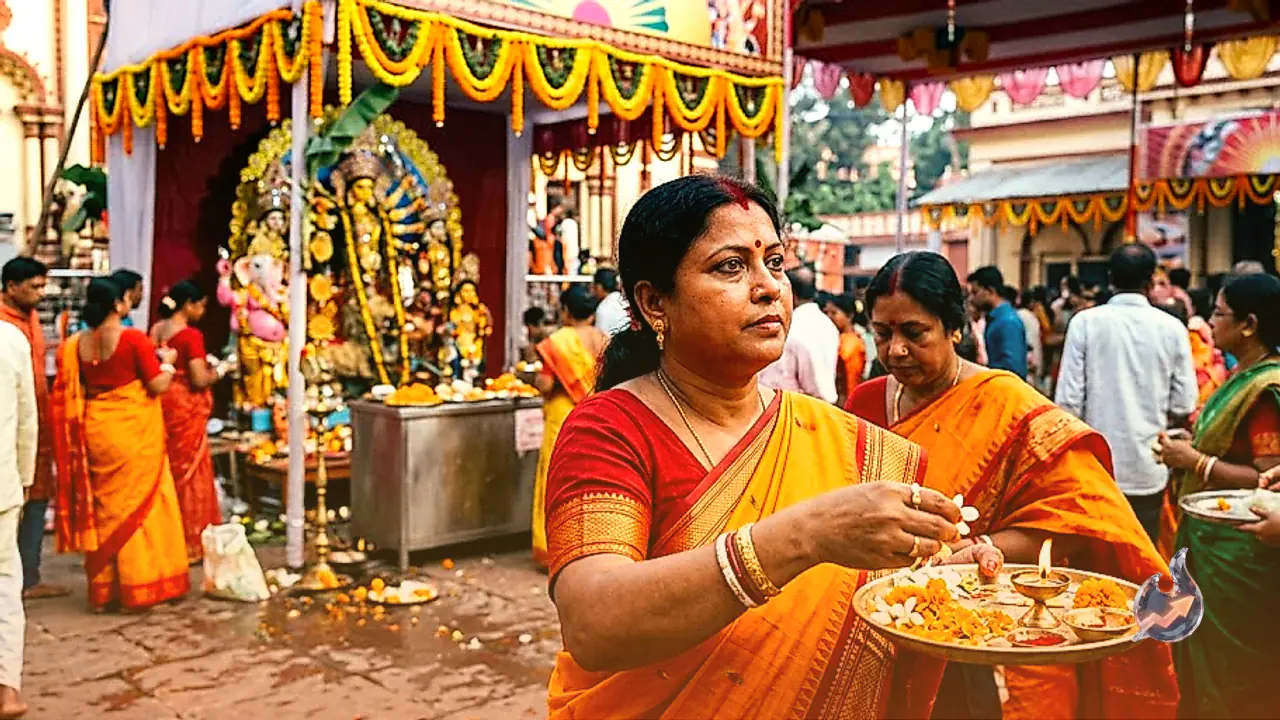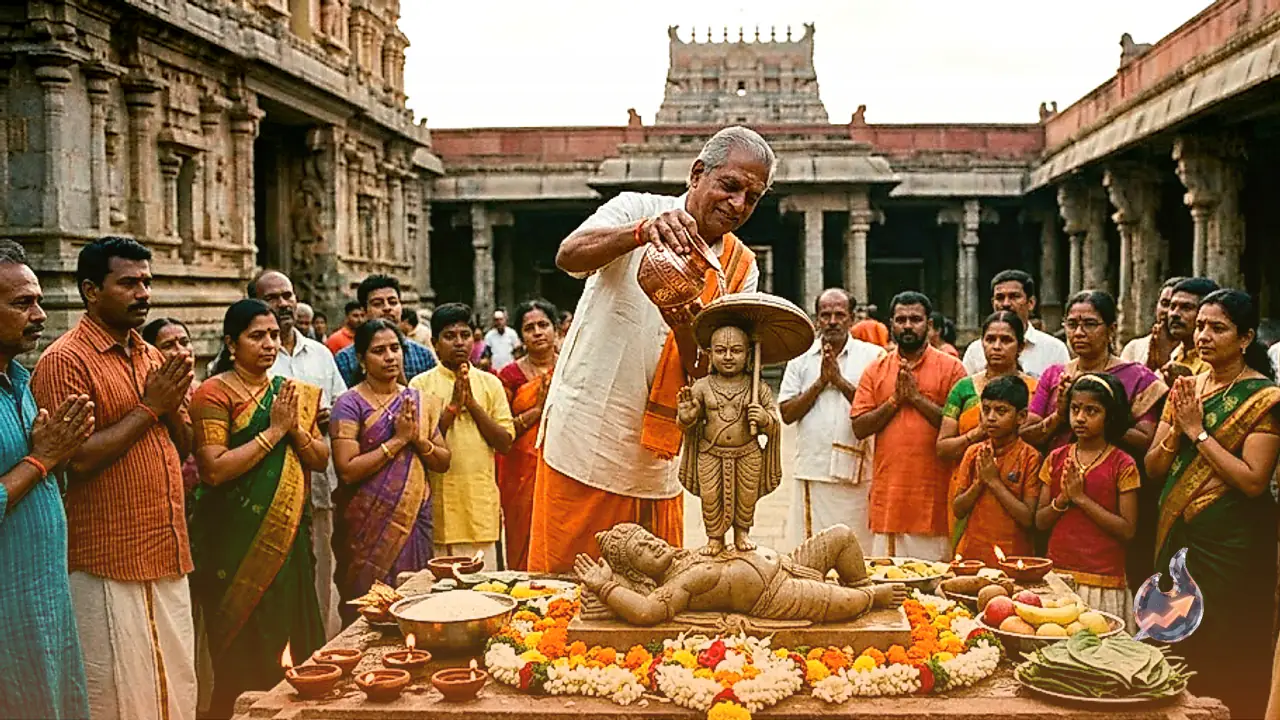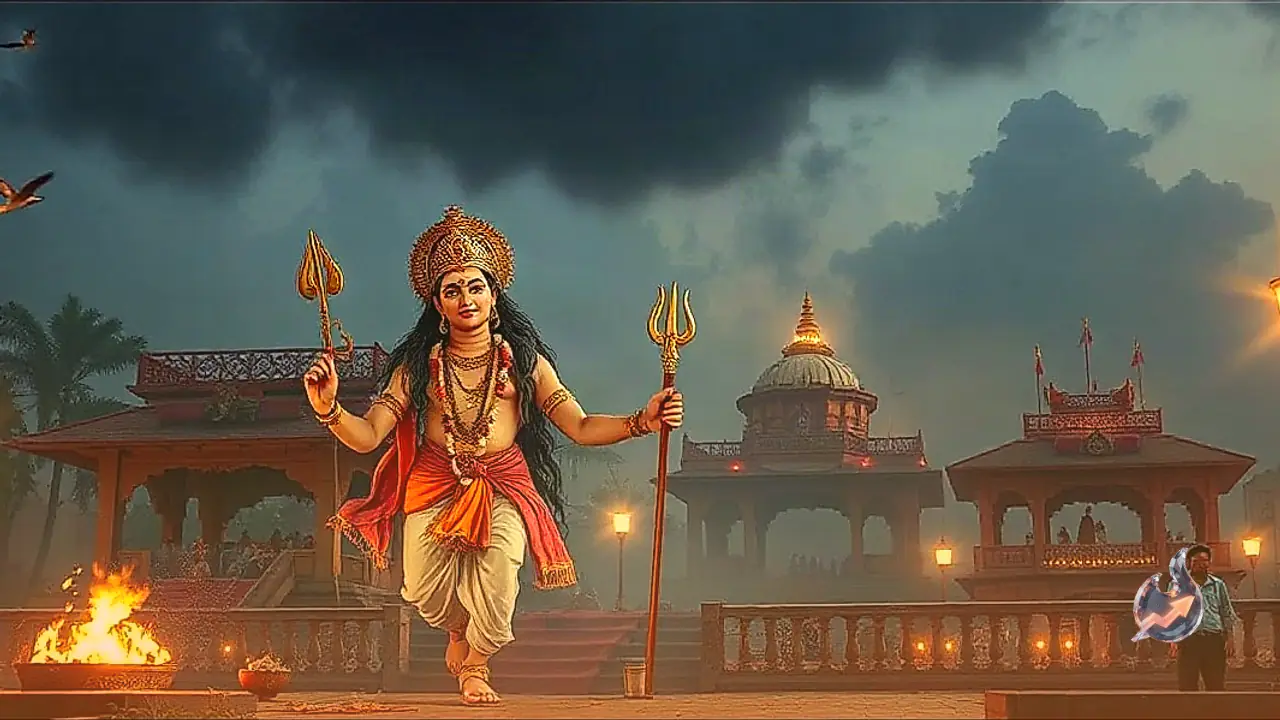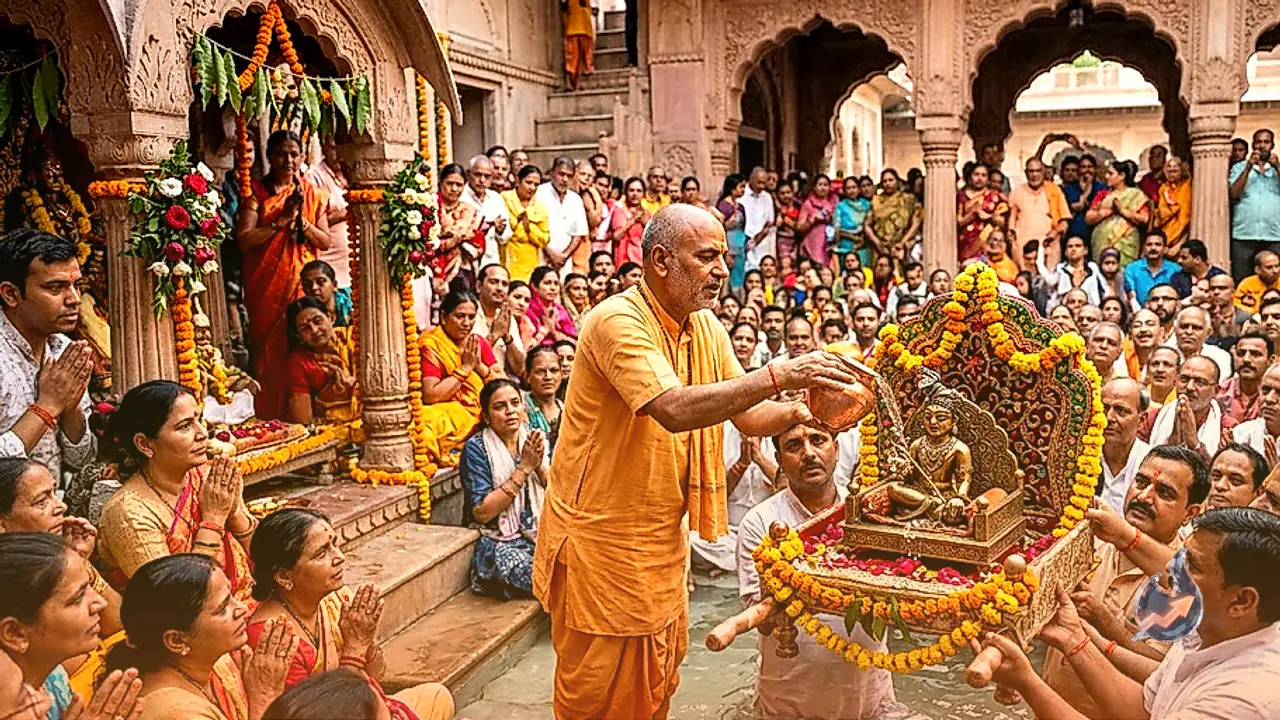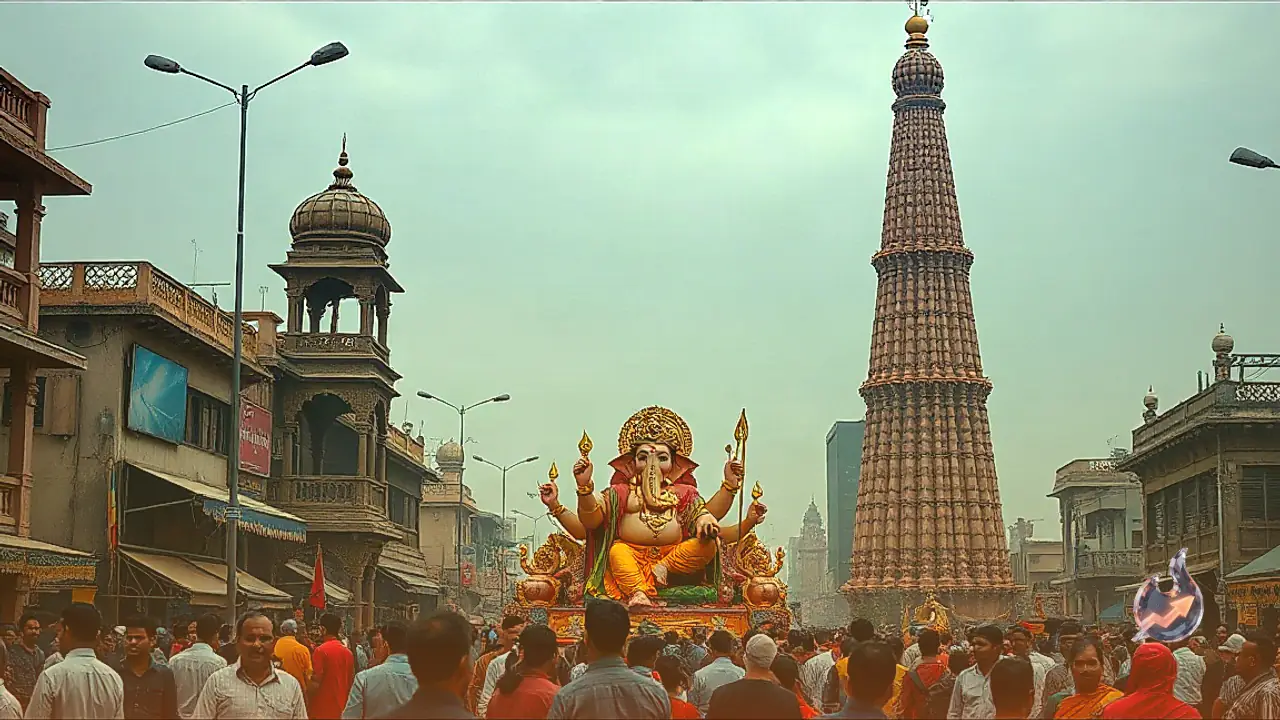




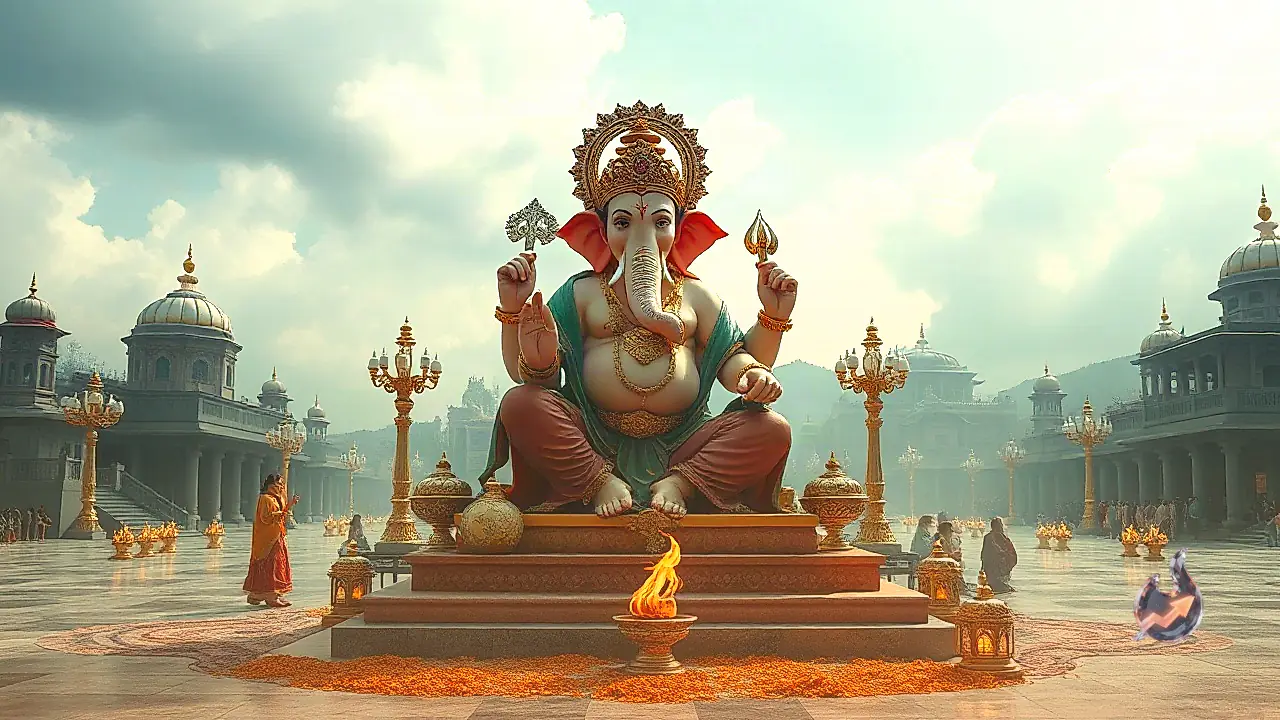


















The grand ten-day festival of Ganeshotsav, which commences every year on Ganesh Chaturthi, is currently heading toward its auspicious culmination. This celebrated devotional period will officially draw to a close on September 25, 2026, marking the sacred occasion of Anant Chaturdashi when devotees bid farewell to the deity. Throughout this festive stretch, dedicated worship of Lord Ganesha is traditionally considered exceptionally fruitful. Since Wednesday is devoted specifically to the Elephant-headed deity in Hindu tradition, any Wednesday arriving amid Ganeshotsav carries profound spiritual weight. Devotees who recite the revered Ganesh Chalisa on this day invite positive transformations, inner peace, and enduring prosperity into their households.
The Significance of Wednesday During the Festive Window
In traditional spiritual practices, Wednesday serves as the weekly focal point for pleasing Lord Ganesha, the harbinger of intellect and remover of obstacles. When this day aligns with the ongoing Ganeshotsav celebrations, its spiritual potency multiplies manifold. Observant devotees believe that sincere prayers during this timeframe help clear stubborn professional bottlenecks and dissolve family anxieties. Beginning the day with a purifying morning bath, wearing clean traditional attire, and lighting a pure ghee lamp before the idol creates a vibrant, peaceful ambiance within the home.
The Sacred Narrative Enshrined in the Chalisa
The poetic verses of the Ganesh Chalisa recount the divine descent and extraordinary attributes of the deity. According to the sacred verses, Goddess Parvati undertook deep penance and performed an elaborate yajna with the heartfelt desire of obtaining a son. At the conclusion of this austere ritual, the divine lord manifested in the guise of a wandering Brahmin. Recognizing the auspicious visitor, the goddess extended warm hospitality and devotional service. Pleased by her unwavering devotion, the divine being blessed her with the assurance that she would receive a magnificent, supremely intelligent child without enduring bodily gestation. Shortly afterward, an enchanting newborn infant appeared in the cradle, filling the heavens with boundless joy.
The Gathering at Kailash and the Gift of the Elephant Head
The arrival of the divine child prompted magnificent celebrations across Mount Kailash, drawing celestial beings, sages, and deities from every direction while flowers showered from above. Among the visitors was Shani, who hesitated to gaze at the infant because of the potent, potentially harmful nature of his gaze. Persuaded by the mother to cast his glance upon the baby, the gaze caused the child’s head to vanish into the cosmos. As distress engulfed Kailash, Lord Vishnu mounted Garuda, retrieved the head of a noble elephant with his chakra, and placed it upon the child’s shoulders. Lord Shiva then infused the infant with life through sacred mantras, bestowing upon him the name Ganesha along with the eternal boon of being worshipped first in all auspicious ceremonies.
Wisdom in Circumambulating the Divine Parents
Another poignant lesson preserved in the Chalisa describes the divine test of intellect arranged by Lord Shiva. When challenged to encircle the entire terrestrial world, Kartikeya hastened away across the globe upon his peacock. In stark contrast, Lord Ganesha applied his sharp intellect and devotion: he stayed right beside his divine parents, circumambulating Lord Shiva and Goddess Parvati seven times, demonstrating that all holy pilgrimages and cosmic realms reside within one’s parents. Overjoyed by this pure wisdom, Lord Shiva affirmed his primacy among all deities. Chanting these sacred stanzas on the final Wednesday of the festivities is held to cleanse worldly difficulties, fostering clarity and familial harmony.