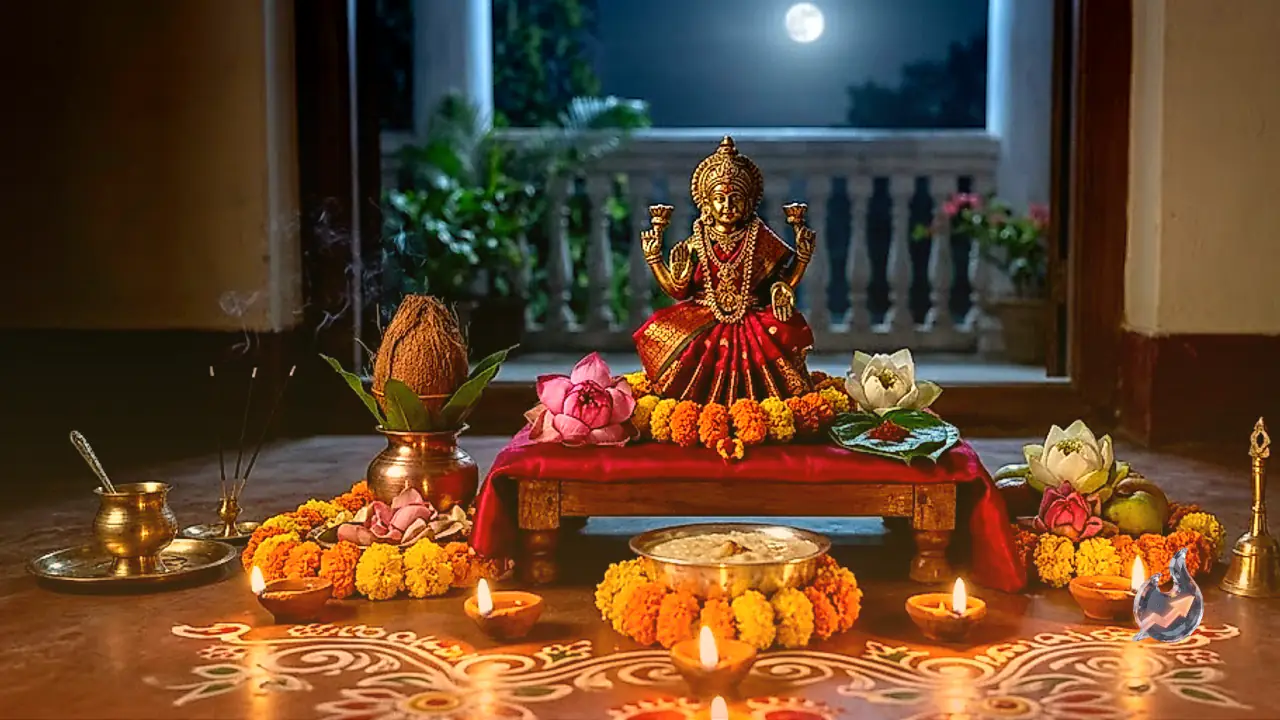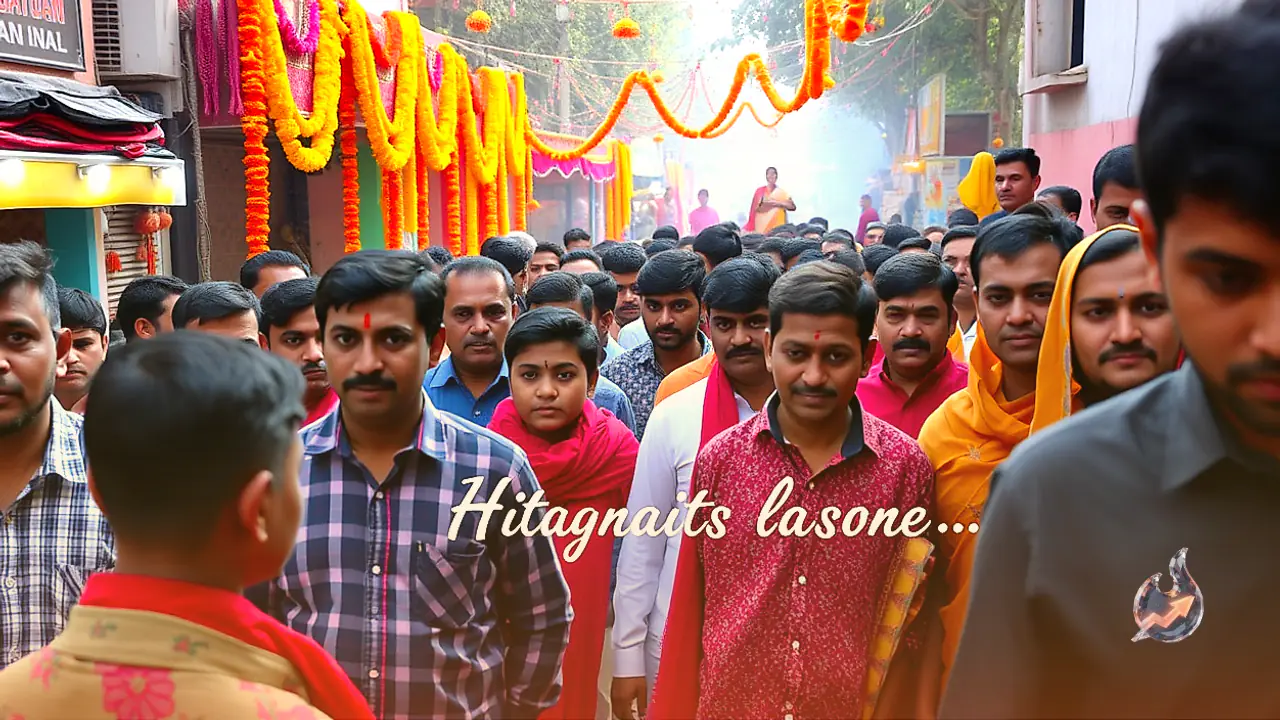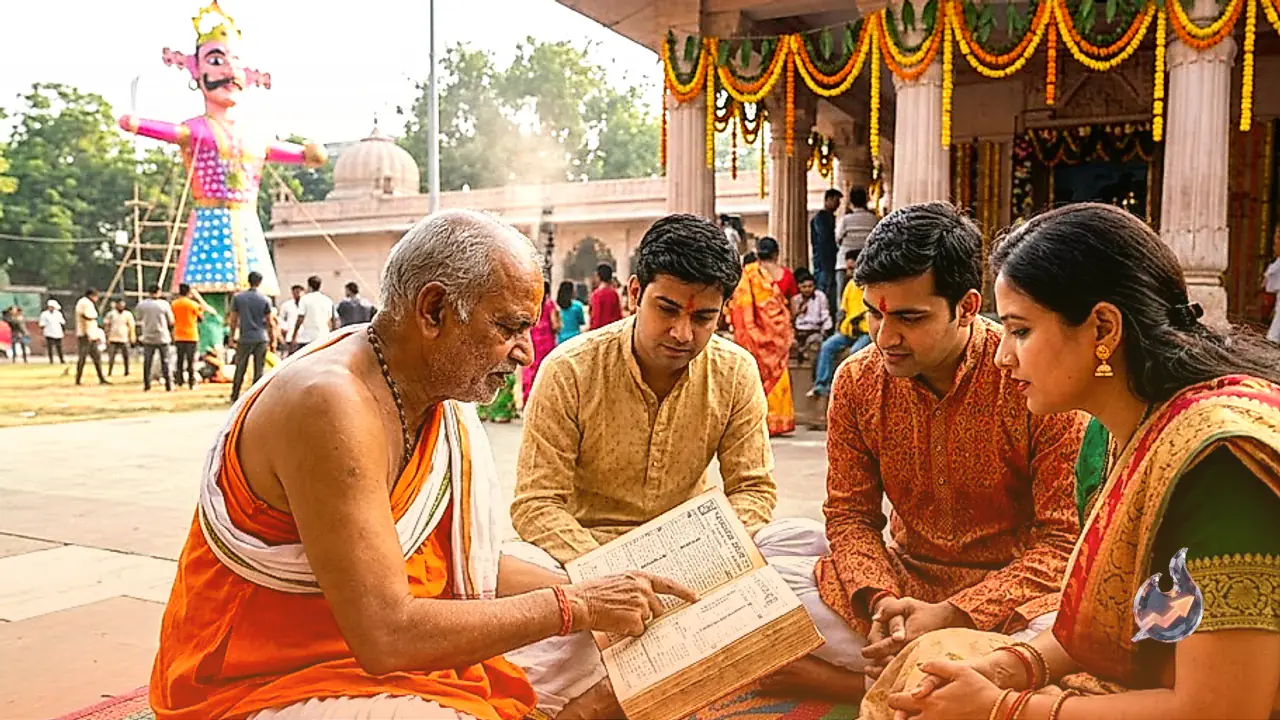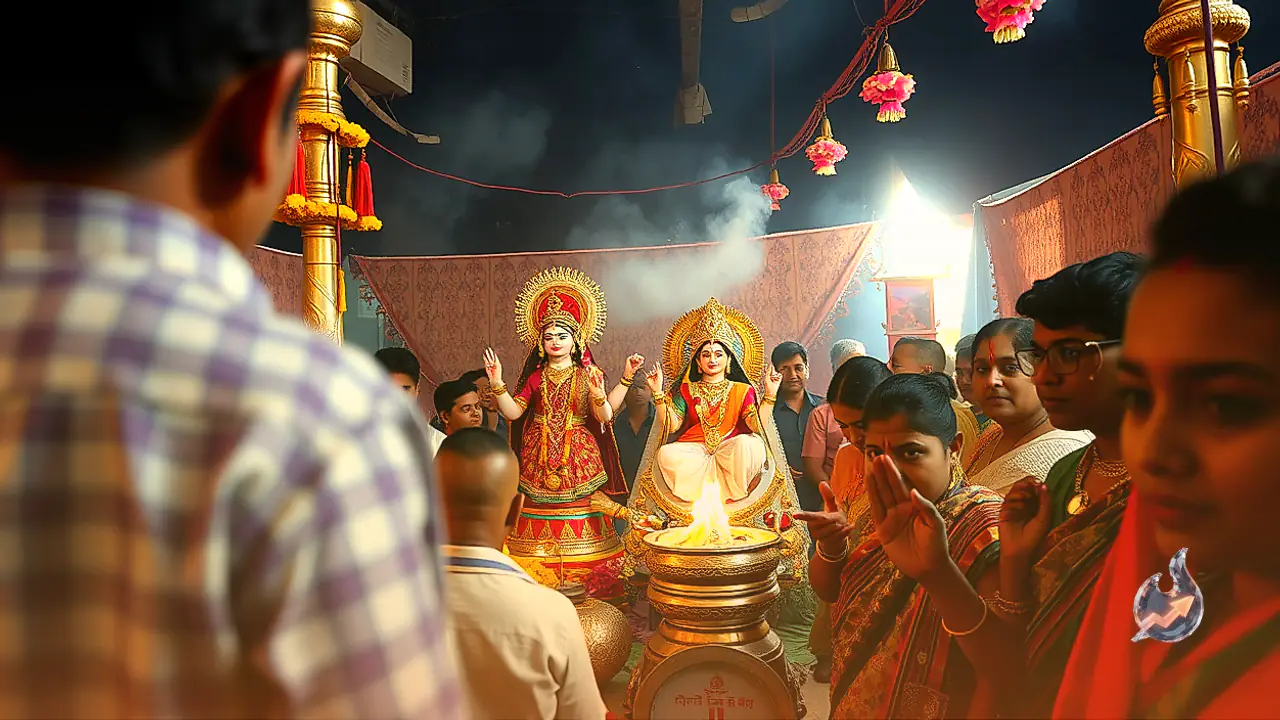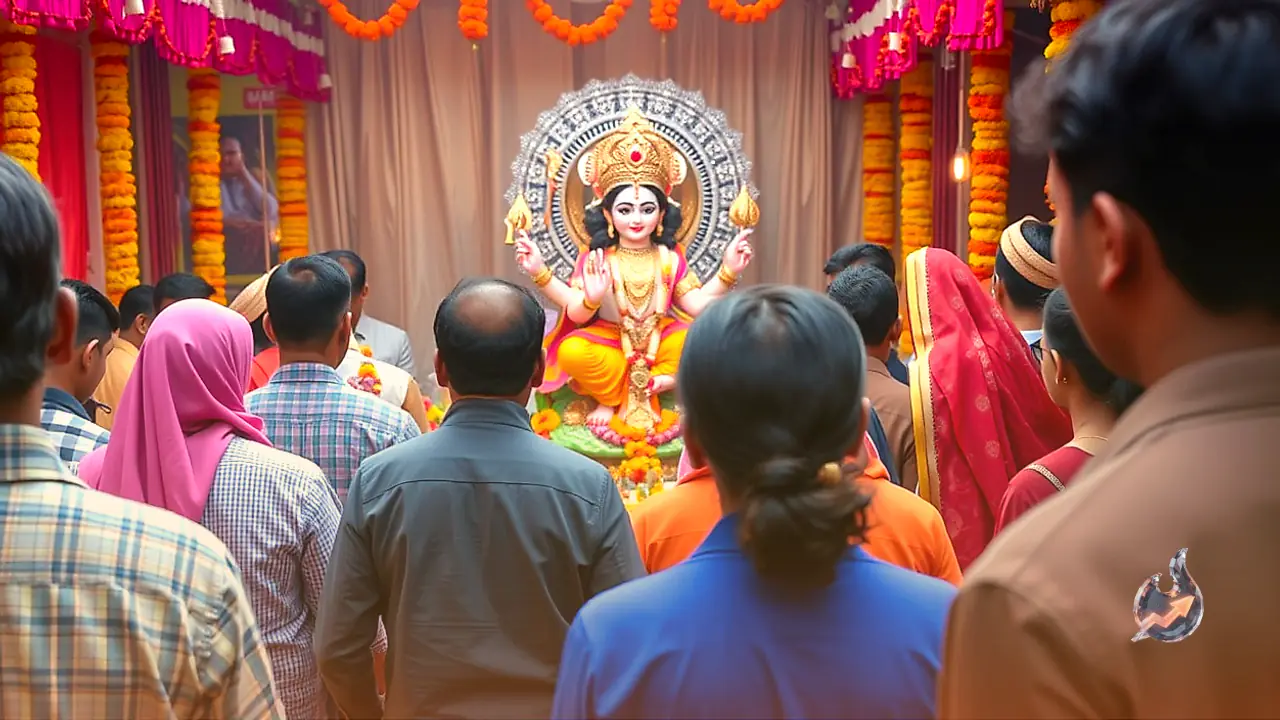






















The auspicious festival of Shri Krishna Janmashtami will be celebrated with immense devotion and enthusiasm across the country on Friday, September 4. According to Hindu tradition, Lord Vishnu incarnated in his eighth avatar as Lord Krishna on the Ashtami tithi of Krishna Paksha in the month of Bhadrapada under the Rohini Nakshatra. Devotees observe a fast throughout the day and conduct special worship at midnight, marking the exact moment of Lord Krishna's divine birth. Performing the rituals with proper customs and complete dedication is believed to bring peace, prosperity, and joy to the household. To ensure the midnight ceremony proceeds without any disruption, devotees are advised to prepare all worship items in advance.
Religious Significance and Observance of Janmashtami Vrat
On the day of Janmashtami, worshippers take a holy morning bath and recite a formal pledge for the fast while concentrating on Lord Krishna. Depending on individual health and personal tradition, some devotees keep a strict waterless fast, known as Nirjala vrat, while others consume a light diet of fruits and milk products. The atmosphere throughout the day is charged with spiritual energy through continuous devotional singing, chanting of mantras, and prayers. The fast is formally concluded only after the midnight birth rituals are completed. Scriptures emphasize that observing this fast provides inner spiritual tranquility, enhances positivity, and brings blessings of family happiness and child welfare. Swinging the idol of Baal Gopal in a decorated cradle is also an integral tradition of this holy day.
Complete List of Puja Samagri for Janmashtami
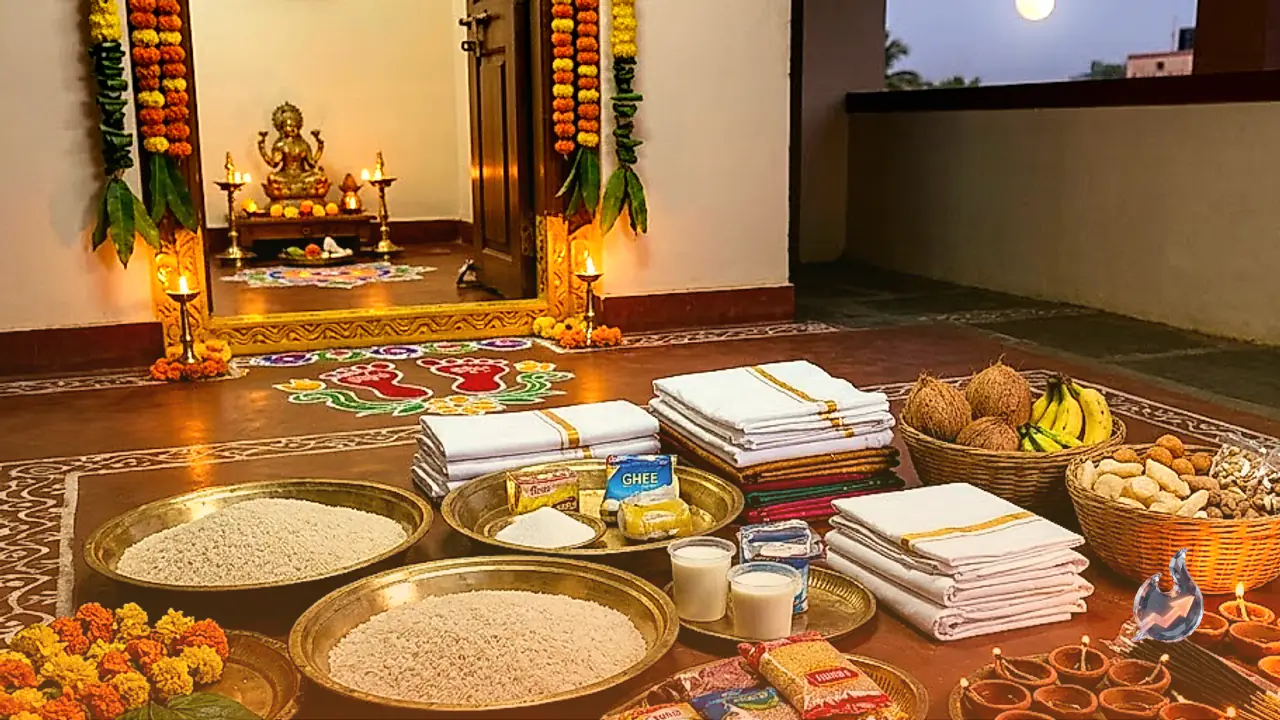
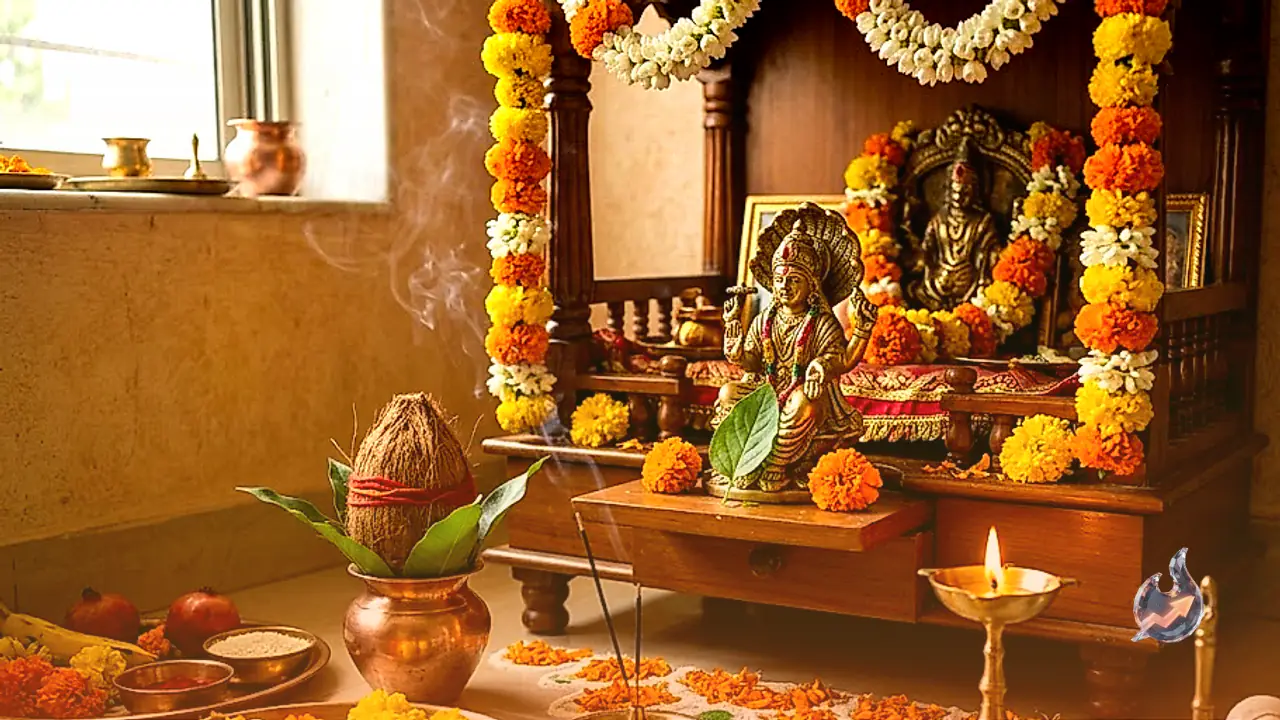
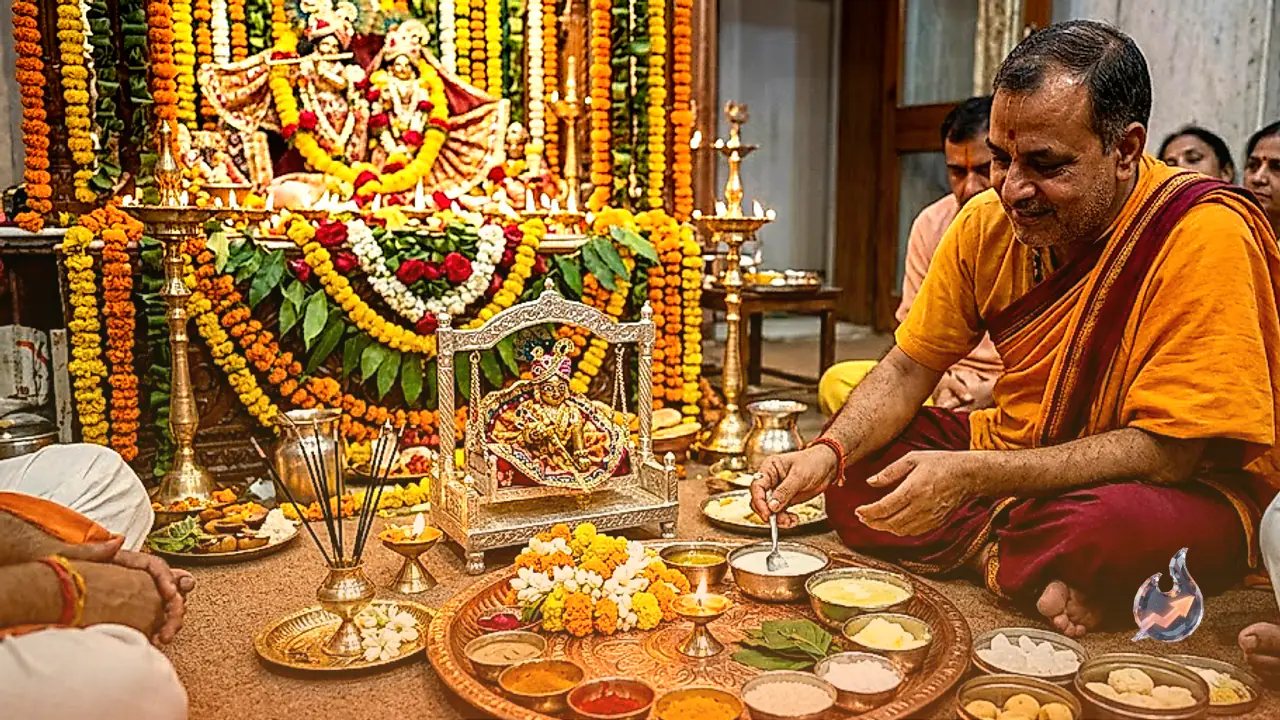
Arranging all necessary items before commencing the ceremony ensures a seamless and auspicious worship experience. The required elements for setting up the altar, performing the holy bath, and decorating the deity include the following
- Altar and Idol Setup: An idol of Baal Gopal, a clean wooden platform, yellow or red altar cloth, a panchapatra, and a clean worship thali.
- Abhishek Essentials: Sacred Gangajal water, pure milk, curd, ghee, honey, and sugar combined to prepare Panchamrit, along with a conch shell for pouring.
- Ritual Offerings: Roli, whole unbroken rice grains (akshat), sandalwood paste, turmeric, kumkum, sacred thread (mauli), betel leaves, saffron, camphor, incense sticks, oil or ghee for lamps, and fresh Tulsi leaves.
- Floral Decor: Fresh flowers, flower garlands, and decorative materials for embellishing the cradle.
- Deity Adornments: Fresh clothes for Baal Gopal, a miniature crown, a flute, a peacock feather, a yellow sash, a small seating mat, and delicate jewelry.
- Sacred Food Offerings (Bhog): Fresh butter mixed with rock sugar (makhan mishri), traditional panjiri, coriander panjiri, seasonal fruits, and sweets.
Step-by-Step Midnight Worship and Abhishek Rituals
The main rituals begin at 12 AM, corresponding to the moment of Lord Krishna's birth. Devotees commence by performing the ritual bath (abhishek) of Baal Gopal using Gangajal and Panchamrit poured from a conch shell. After the holy bath, the idol is gently dried with a clean cloth. The deity is then dressed in new vibrant clothes and adorned with the crown, peacock feather, flute, and ornaments. Once the shringar is complete, Baal Gopal is placed inside the flower-bedecked cradle and gently rocked.
Devotees then apply sandalwood paste and offer unbroken rice, turmeric, fresh flowers, and Tulsi leaves to the deity. Incense sticks and lamps are lit to perform the solemn aarti. Following the aarti, the sacred bhog comprising makhan mishri, panjiri, fruits, and sweets is presented to Lord Krishna. The ritual concludes with sincere prayers for health, peace, and prosperity for the family. Finally, holy prasadam is distributed among devotees, and those observing the fast break it according to their established family customs and physical capacity.