



















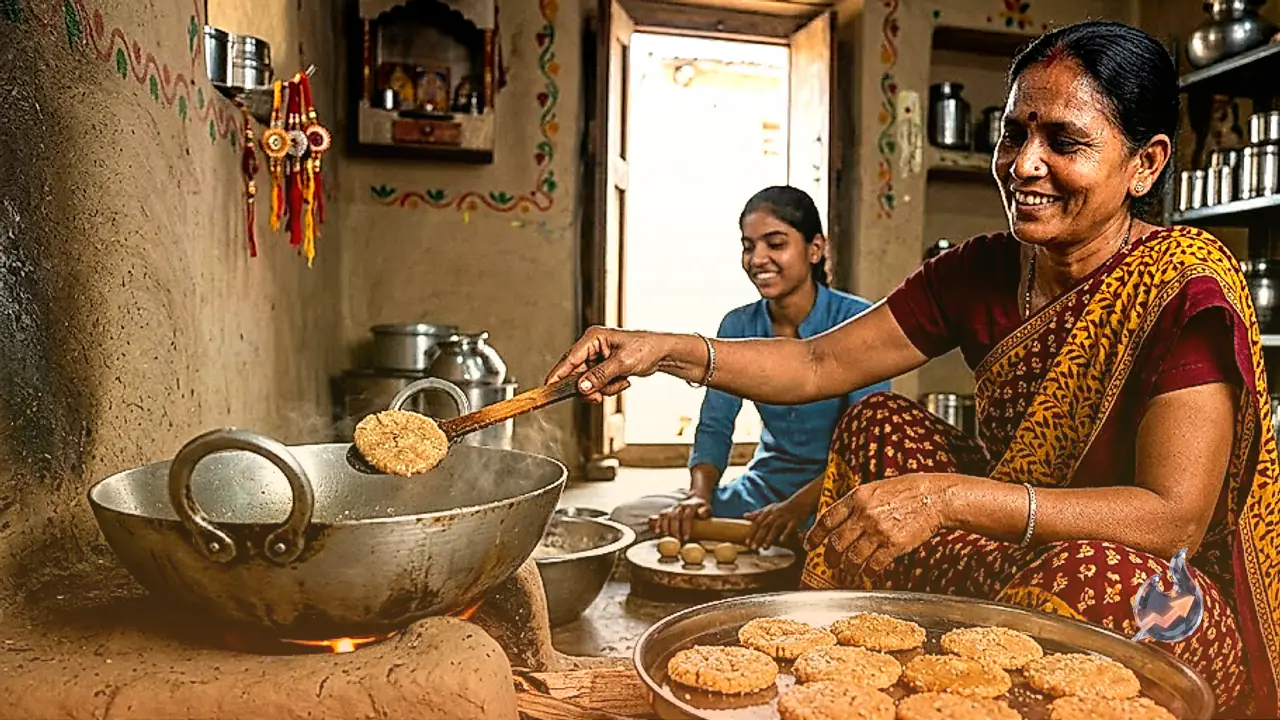

In the Khandwa district and across the broader Nimar region of Madhya Pradesh, the festival of Rakshabandhan extends far beyond the ceremonial tying of protective threads around brothers' wrists. Deeply embedded in this regional celebration is an age-old culinary custom that centers on a unique traditional sweet named Chakti. As Rakshabandhan approaches, households across Nimar begin preparations for this beloved delicacy. Unlike modern packaged sweets bought from commercial confectioners, Chakti remains an entirely home-crafted item that family members, especially women, cook together to mark the arrival of the festival.
Cultural Heritage of Nimar and the Significance of Chakti
For the residents of Khandwa and surrounding rural belts, Rakshabandhan festivities feel incomplete without the presence of Chakti. Local tradition dictates that the spirit of the occasion truly awakens when the rich, inviting aroma of cooking Chakti fills domestic kitchens. While this sweet is rarely prepared during other times of the year, its annual return during the festive season is treated with immense pride. Families prefer spending hours in the kitchen to preserve this legacy rather than relying on store-bought alternatives.
Core Ingredients and Initial Preparations for Chakti
Creating authentic Chakti requires a combination of wholesome, traditional ingredients commonly found in Indian kitchens. The primary components include semolina (rava), wheat flour, fresh milk solids (mawa or khoya), sugar syrup (chashni), clarified butter (ghee), and desiccated dry coconut (khopra). The cooking process begins with crafting a sugar syrup of precise consistency in a large vessel. Once the syrup reaches the desired temperature, fresh mawa is stirred into it until it completely dissolves into a rich, creamy base.
Step-by-Step Cooking Process and Temperature Control
After integrating the mawa with the sugar syrup, roasted semolina and wheat flour are slowly mixed into the liquid base. The entire mixture is then cooked over moderate heat while being stirred continuously without interruption. Constant stirring is crucial to prevent the mixture from sticking to the bottom of the pan and to achieve the signature smooth yet dense texture of Chakti. The sweet is kept on heat until it thickens sufficiently and pulls away cleanly from the sides of the cooking vessel.
Setting Technique and Layering with Desiccated Coconut
Once the cooked mixture achieves the desired density, a traditional setting method is employed using shallow metal plates or trays. The surface of the tray is greased with ghee, after which a layer of finely grated dry coconut is spread across the base. The hot mixture of semolina and mawa is then poured over the coconut layer and flattened evenly across the tray. A second layer of dry coconut is sprinkled generously on top. Once cooled and firm, the slab is cut into neat geometric shapes. The interplay between rich mawa and crunchy coconut provides Chakti its distinctive flavor profile.
Hands-On Effort and Insights from Pinki Patel of Surangaon Joshi
Explaining the dedication involved in this culinary tradition, Pinki Patel from the village of Surangaon Joshi notes that making Chakti is by no means a quick 5-minute task. The process demands considerable time, patience, and physical labor. Households usually begin by boiling down fresh milk to produce mawa at home before even commencing the sweet-making steps. Despite the intensive preparation required, local families willingly observe this ritual every single year without exception.
Hospitality and Celebrating Brother-Sister Bonds with Chakti
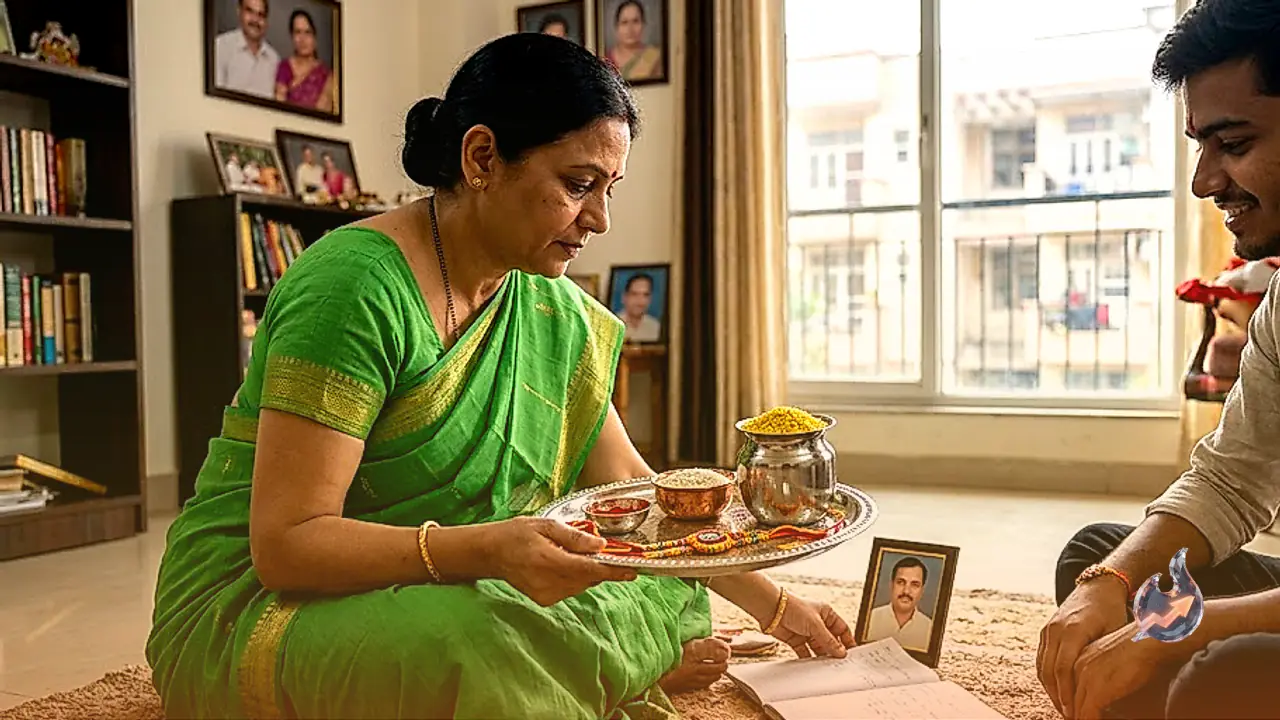
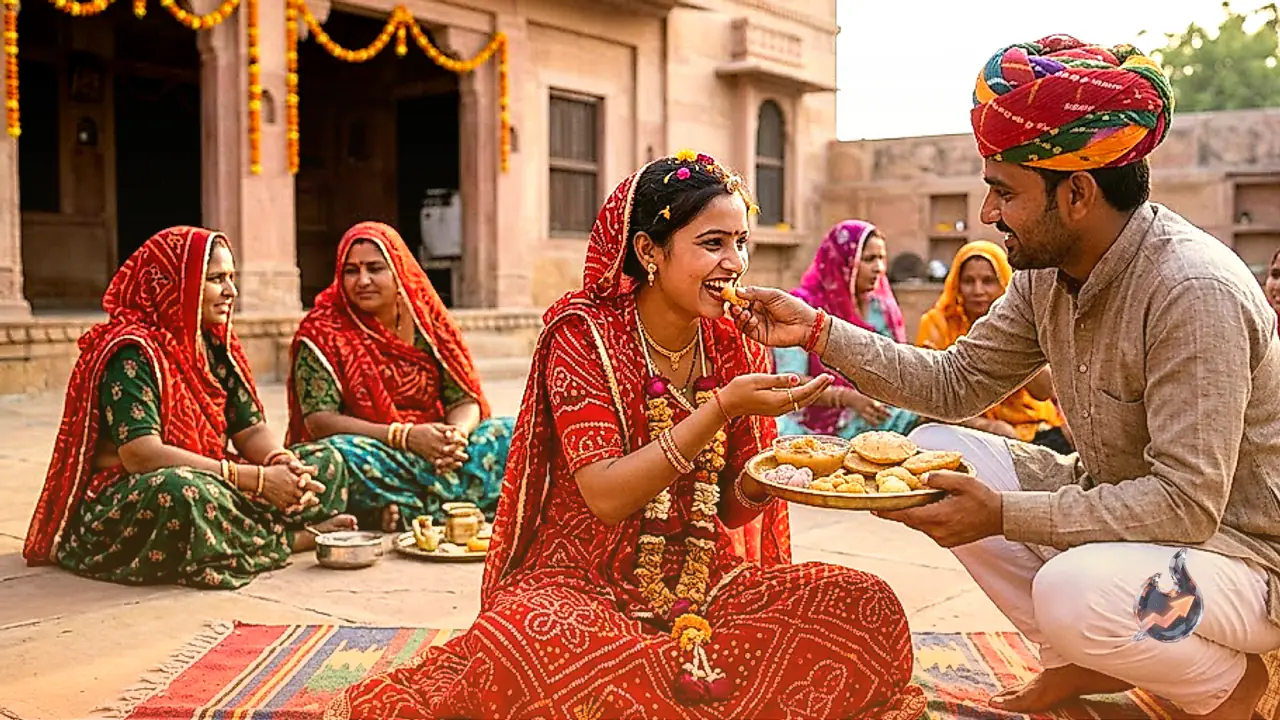
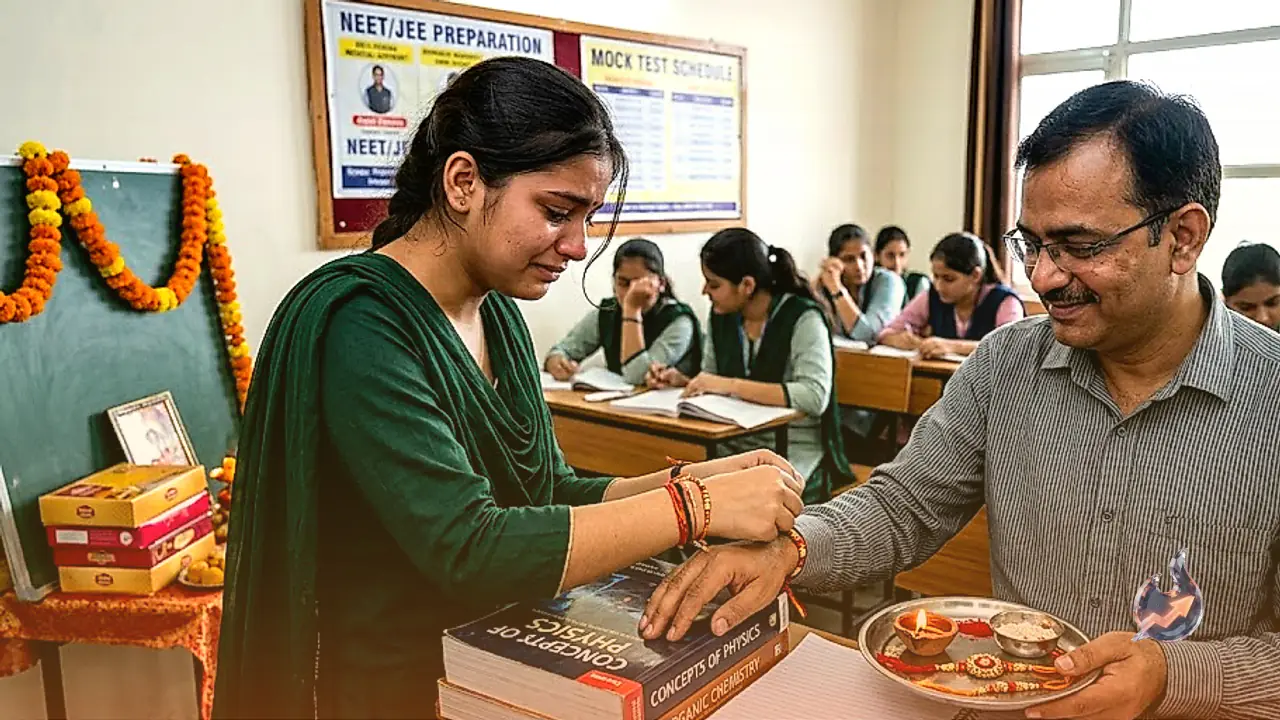
On Rakshabandhan day, after sisters tie the sacred thread on their brothers' wrists, Chakti is served as the principal sweet for the auspicious ceremony. Furthermore, visiting relatives, neighbors, and guests who arrive to exchange festive greetings are treated to plates of this freshly made sweet. By prioritizing homemade authenticity over commercial convenience, the people of Nimar continue to keep their festive heritage alive with every bite of Chakti.