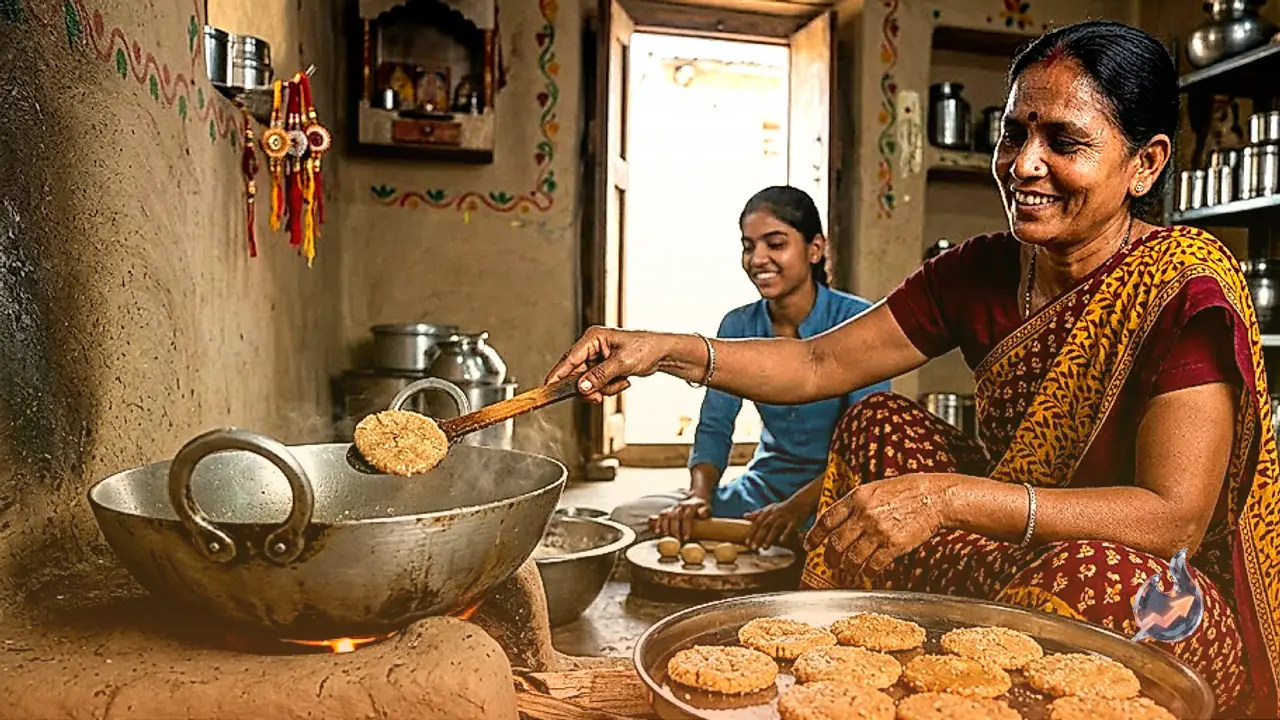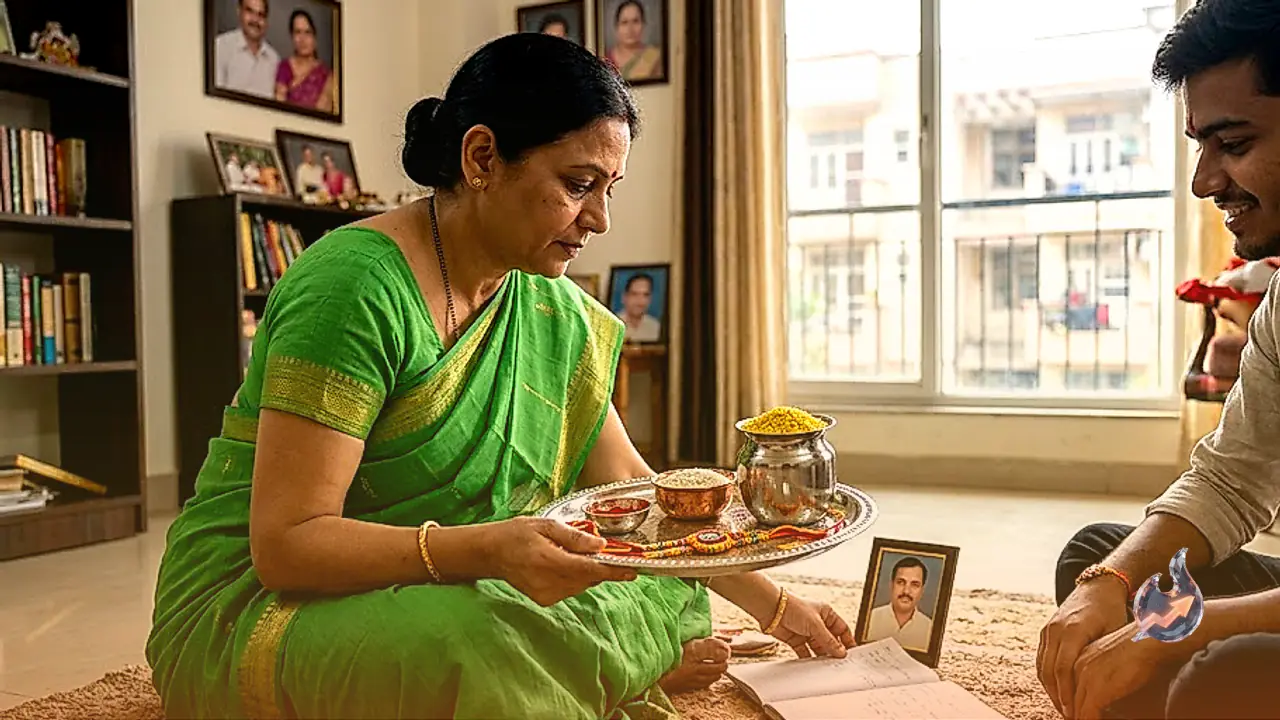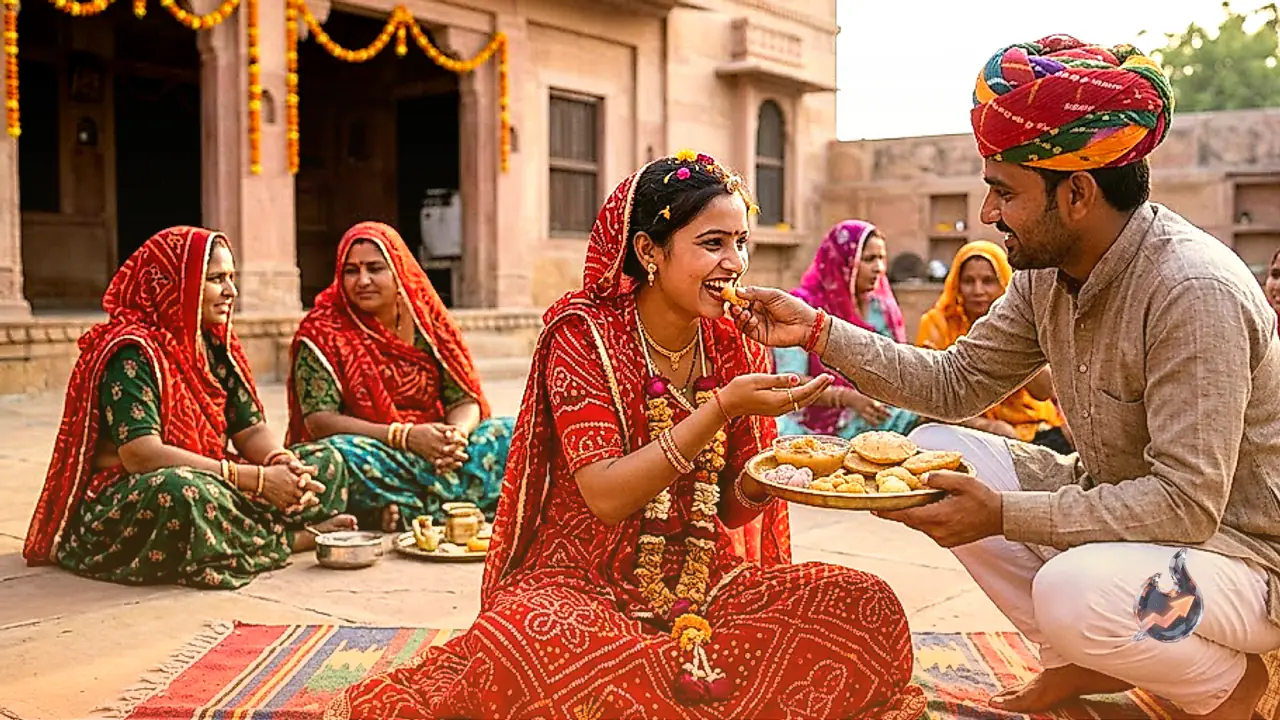























The district of Jalore in Rajasthan marks the festival of Teej with a centuries-old culinary ritual that turns a simple festive sweet into a cherished tradition. Every year, local households prepare a specialized version of Sattu that is crafted exclusively on this specific festival day. Unlike everyday fried or roasted snacks, this seasonal delicacy gains its distinct identity from roasting raw pulses directly in hot soil. The resulting flavor offers an authentic earthy richness that reflects the deep-rooted cultural heritage of the region.
Soil-Roasting Techniques for Unique Earthy Aromas
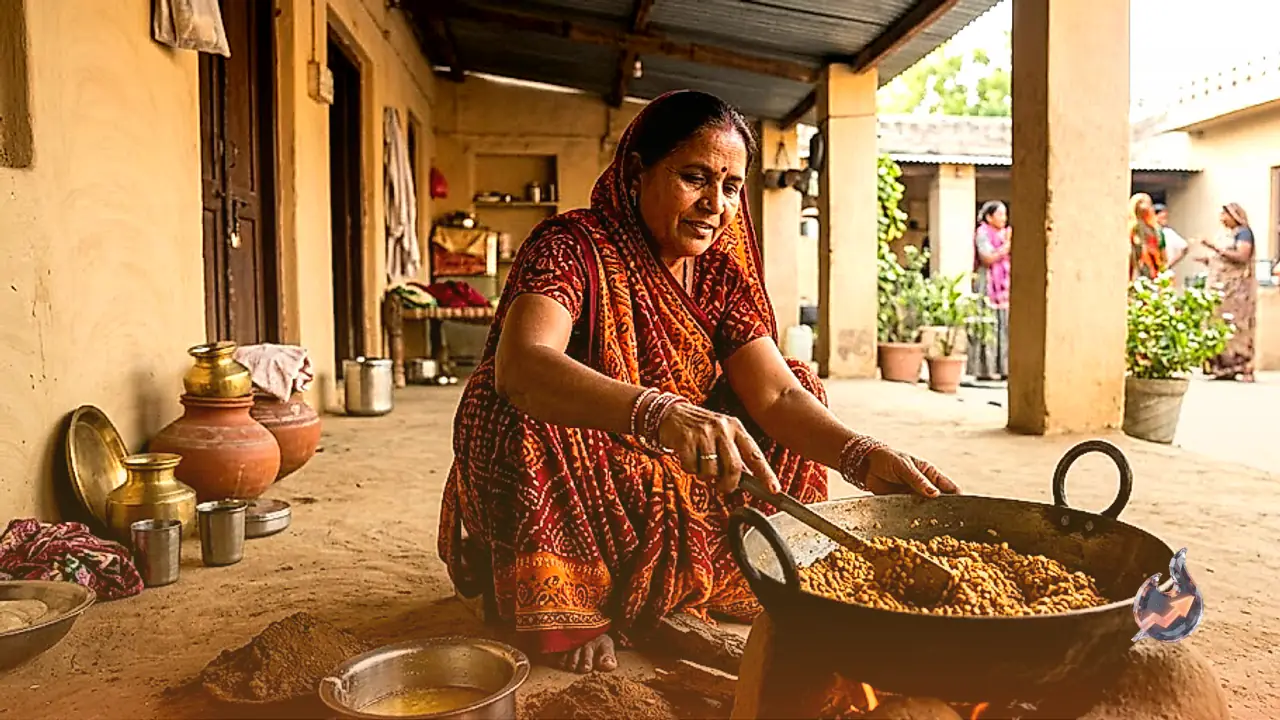
The process of making this festive Sattu begins with selecting either high-quality wheat or chana pulse. Instead of using standard dry-roasting methods, artisans and home cooks in Jalore roast the grains within hot soil. This traditional heat-transfer method infuses the pulses with a characteristic smoky, earthy scent that cannot be replicated by conventional kitchen roasting. The thermal qualities of the soil allow the pulses to cook evenly while absorbing a natural aroma that defines the foundation of the dish.
Refining the Pulses and Crafting the Sweet Dough
Once the roasting stage is complete, the pulses undergo a rigorous multi-step cleaning and sifting routine. Cooks first pass the roasted grains through standard kitchen sieves to separate out coarse particles. Following this initial pass, a traditional fine cotton cloth is employed to filter the pulse flour thoroughly, ensuring no grit remains. The cleaned pulses are then ground down into a fine flour, forming the base of the Teej Sattu.
To complete the recipe, traditional unrefined sugar is folded into the freshly ground flour. Generous amounts of warmed clarified butter, or desi ghee, are added alongside fragrant cardamom powder. Cooks knead the mixture vigorously by hand so that the warm ghee binds the sugar and spice evenly throughout the dough. Finally, the blend is pressed and shaped by hand into traditional Sattu mounds, ready for the festive rituals.
Preserving Cultural Heritage Across Generations
For local homemaker Santosh Devi, preparing this sweet once a year goes far beyond simple holiday cooking. Santosh Devi shared, "For us, Teej Sattu is not just a dish, but an integral part of our old tradition." She emphasized that the distinct flavor derived from soil-roasting cannot be matched by modern culinary short-cuts. As a result, families across Jalore continue to honor these time-tested techniques, keeping their regional heritage alive year after year.