


















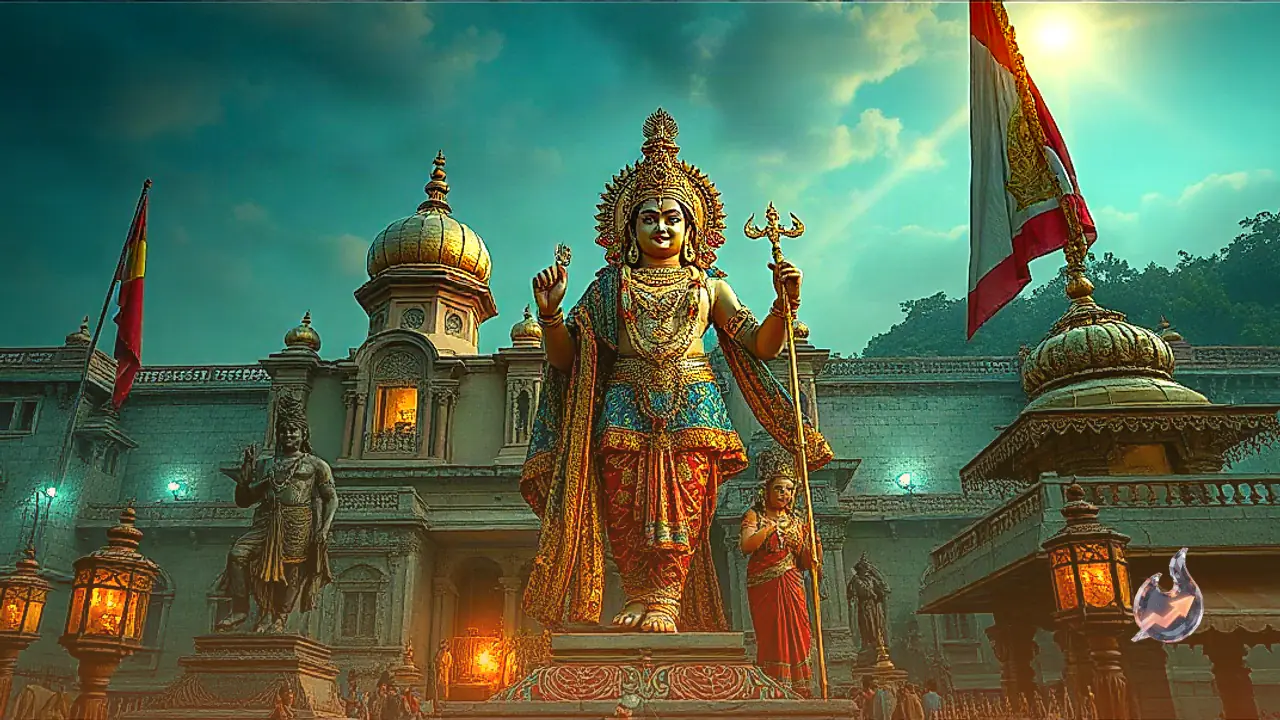

Janmashtami is set to be celebrated with great fervor on September 4. For those planning to visit temples, attend a Radha-Krishna themed gathering, or participate in cultural festivities on this occasion, adopting an ethnic attire inspired by Yashoda Maiyya offers a timeless option. This classic aesthetic reflects traditional Indian heritage while delivering an elegant and regal appearance during festive celebrations. Recreating this ensemble requires selecting appropriate sarees, jewelry, hair styling, and makeup techniques to achieve a well-coordinated look.
Choosing the Ideal Colors and Fabrics for Traditional Attire
Selecting appropriate colors and fabrics forms the foundation of this festive outfit. Earthy shades combined with golden tones effectively highlight the traditional feel of the attire. Suitable choices include olive green, mustard yellow, rich golden, rust orange, or beige crafted in silk sarees or lehengas. Silk fabrics lend a natural luster to the garments, enhancing the overall traditional appearance and ensuring the outfit looks elegant during day or evening celebrations.
Adding a Regal Touch With a Heavy Border Veil
A defining feature of this traditional attire is the heavy veil, which provides both modesty and a royal presence. To recreate this element, a dupatta made of net, organza, or silk can be draped carefully over the head. Ensuring that the dupatta features a broad golden border is essential for capturing the authentic aesthetic. As the embellished border frames the forehead and drapes across the shoulders, it elevates the entire outfit with a distinct majestic character.
Selecting Classic Jewelry Pieces in Gold and Pearl Tones
Traditional ornaments play a vital role in completing this festive appearance. Essential jewelry items include long pearl layered necklaces, prominent oversized jhumkas, a structured maangtika, and a classic nath or nose ring. Pieces crafted with Kundan work, delicate pearl accents, or intricate temple jewelry patterns suit this style exceptionally well. Maintaining a consistent palette of golden hues and pearl highlights across all jewelry pieces ensures a harmonious look that complements the rich fabric of the outfit.
Styling a Long Braided Hairstyle Decorated With Gajra
A thick, long braid forms a signature element of this traditional hairstyle. To achieve this look, divide the hair evenly with a neat center parting before weaving it into a dense braid. Hair extensions may be incorporated if additional length or volume is required. The completed braid can be decorated using golden hair accessories or wrapped with fresh white flower gajras. This combination of braided hair and floral adornment adds a classic charm that aligns with traditional Indian styling.
Applying Subtle Ethnic Makeup and Traditional Bindi Designs
Makeup should remain soft and subtle to ensure the jewelry and attire remain the focus. Prepare the skin with a light foundation base, apply deep kajal with winged eyeliner to accentuate the eyes, and finish with nude or peach lipstick tones. The standout detail of the facial makeup is the traditional bindi design. Position a small red bindi in the center of the forehead, accompanied by fine dots or patterns created along the eyebrows using kumkum and a thin stick, or conveniently applied using pre-designed store-bought bindi stickers.
Completing the Ensemble With Bangles, Armlets, and Aalta
Adorning the hands and feet serves as the final step in recreating this traditional look. Pair golden bangles with matching wrist bracelets, and wear classic bajuband armlets on the upper arms. Nails can be painted in vibrant red or shimmering gold shades. Additionally, applying traditional red aalta to the hands and feet completes the aesthetic. While henna remains popular today, aalta represents a deeply rooted cultural tradition in Indian rituals, offering an authentic decorative choice for Janmashtami celebrations.