






















In Hindu spiritual traditions, the Trayodashi tithi holds profound significance for the worship of Lord Shiva. Observed twice every month during both the Shukla and Krishna Paksha fortnights, the sacred fast known as Pradosh Vrat is dedicated entirely to seeking the blessings of Mahadev. Traditional beliefs state that propitiating Bholenath during the twilight window known as Pradosh Kaal helps dispel distress, dissolves obstacles, and invites long-lasting peace and prosperity into the home. With the commencement of the Ashwin month, devotees are actively preparing for the earliest Pradosh fast of October.
Date and Fasting Schedule
According to astronomical calculations in the Hindu calendar, the Trayodashi tithi of Ashwin Krishna Paksha begins on the night of October 7 at 11:16 PM. The lunar phase will conclude the following evening on October 8 at 10:15 PM. Traditional observances require the Trayodashi tithi to overlap with the twilight period after sunset. Consequently, devotees will observe the Pradosh Vrat on Thursday, October 8.
Auspicious Evening Worship Window
The core rituals of this fast must be carried out during Pradosh Kaal, the sacred interval around sunset. On October 8, the most auspicious window for conducting Lord Shiva's worship begins at 5:59 PM in the evening and extends until 8:27 PM at night. This gives devotees a dedicated duration of over two and a half hours to conduct their prayers and rituals in accordance with traditional scriptures.
Morning Preparations and Vow
The discipline of the day begins by waking up early in the morning. After bathing and dressing in clean attire, sit facing the shrine, invoke the presence of Lord Shiva, and take a solemn vow to observe the fast with devotion throughout the day. Devotees then proceed to perform the sacred ceremonial bath of the Shivling using milk, yogurt, clarified butter, pure honey, and sacred water from the Ganges to complete the traditional abhishek.
Sacred Offerings for Mahadev
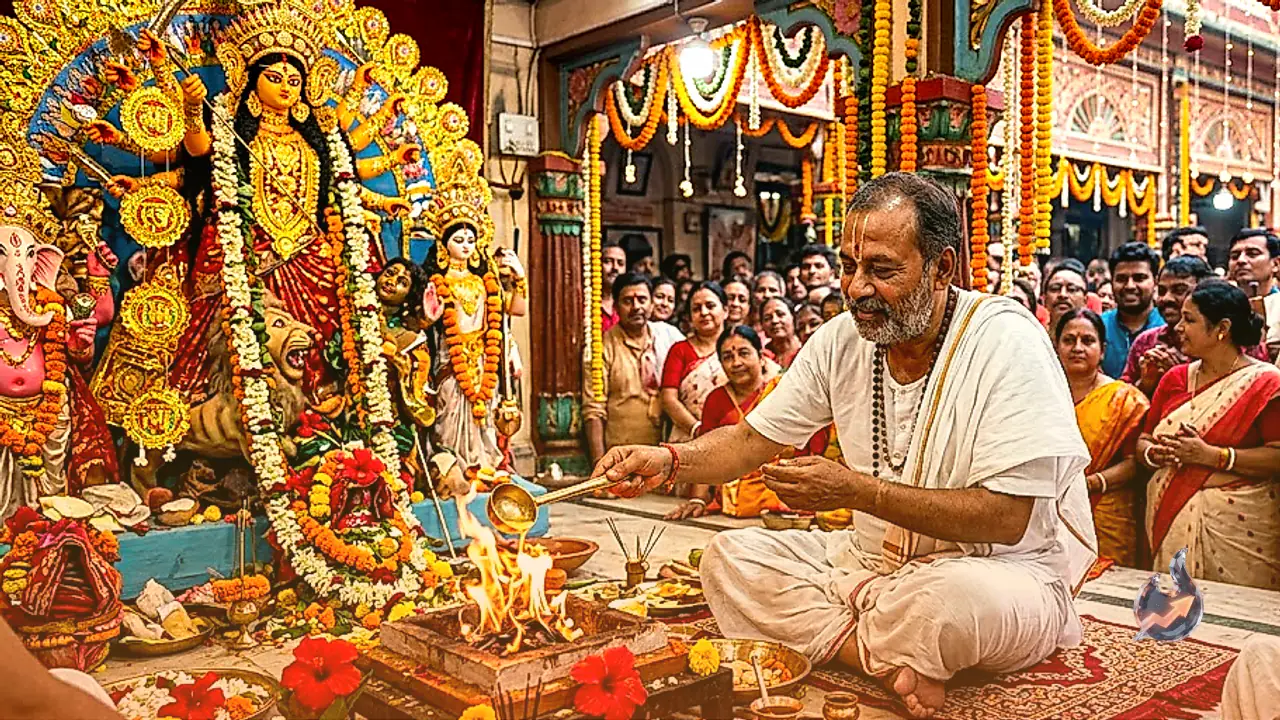
Following the holy ablution, devotees present 11 or 21 intact bael leaves to the deity. Offerings of dhatura and crown flowers, which are regarded as especially dear to Lord Shiva, are placed upon the altar alongside fresh fruits, betel nuts, cloves, cardamom, fragrant seasonal blooms, incense sticks, and a burning lamp. The ritual offering also includes sandalwood paste and unblemished grains of rice, accompanied by sweet delicacies prepared exclusively with pure ghee and sugar.
Evening Prayers and Concluding Aarti
Having spent the daylight hours in quiet reflection and remembrance of Shiva, observers bathe again or cleanse themselves as twilight approaches. Settle before the altar during the prescribed Pradosh Kaal window and begin the service with devoted chanting of Shiva mantras followed by the recitation of Shiva Chalisa. Listening to or reading the traditional scriptural story behind the fast forms an indispensable step of the rite. Conclude the service by lighting a lamp fueled by pure ghee to perform the ceremonial aarti, afterward sharing the sanctified sweets with family members.