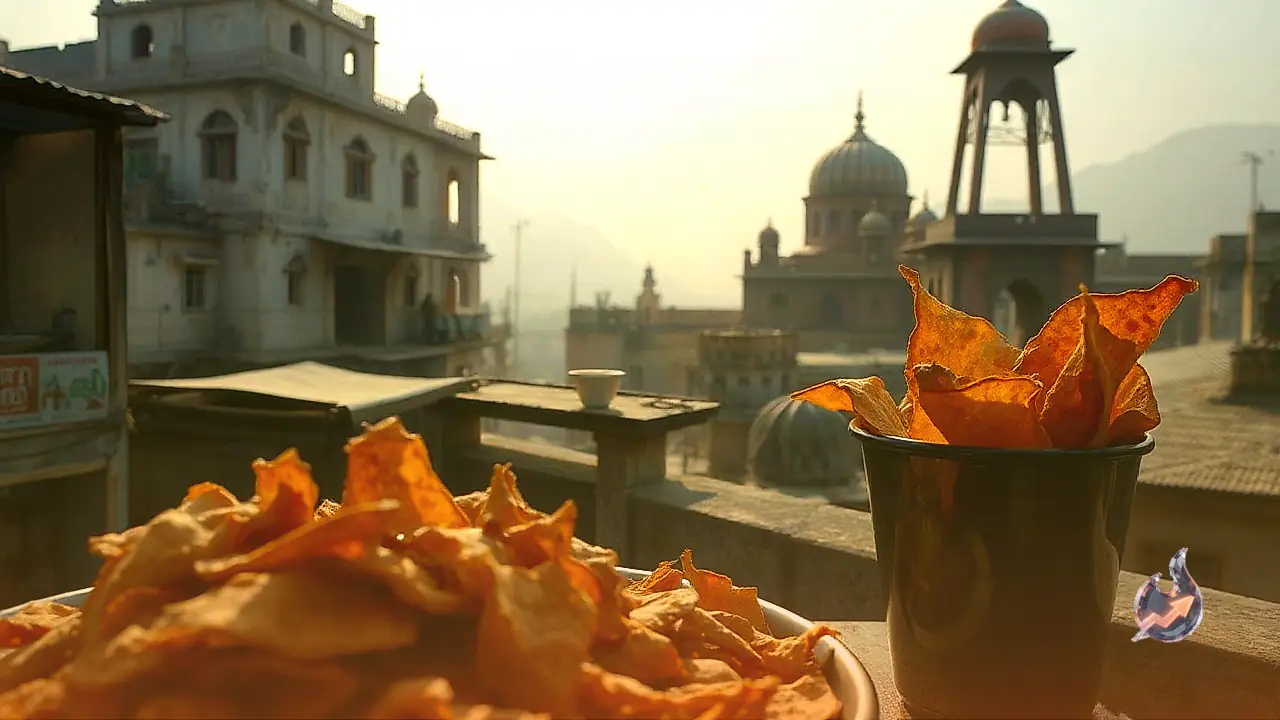
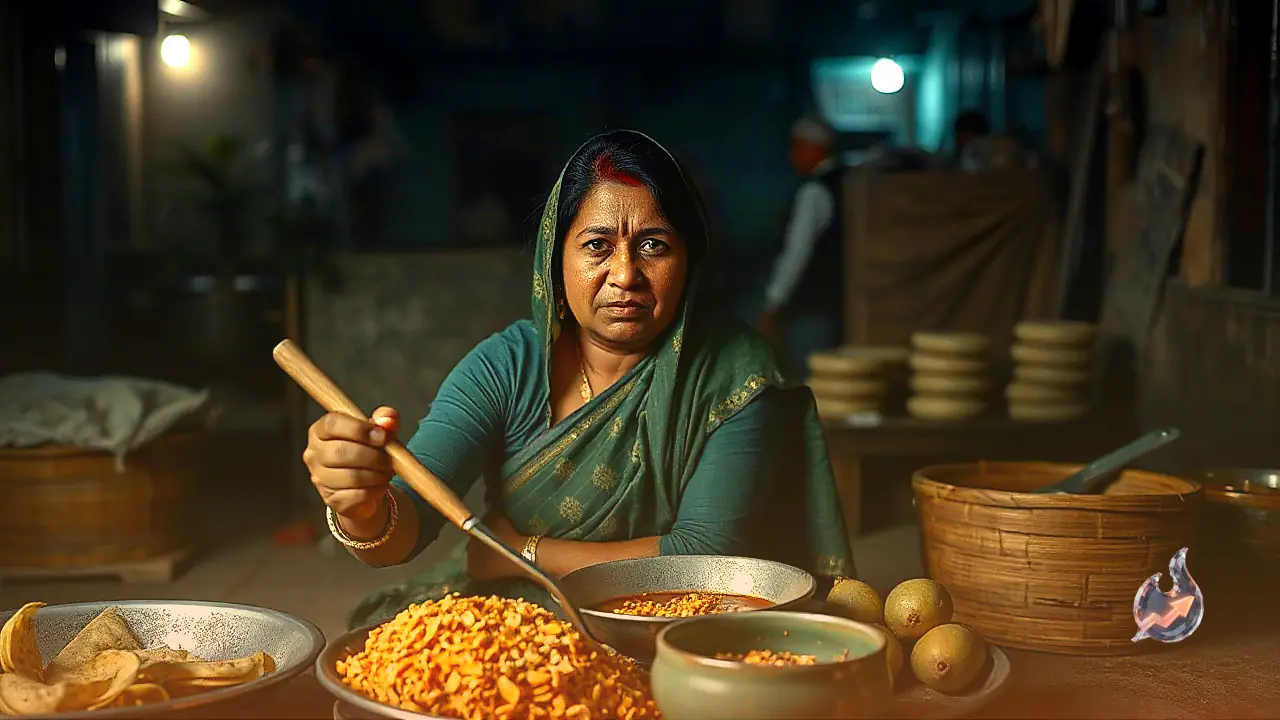






















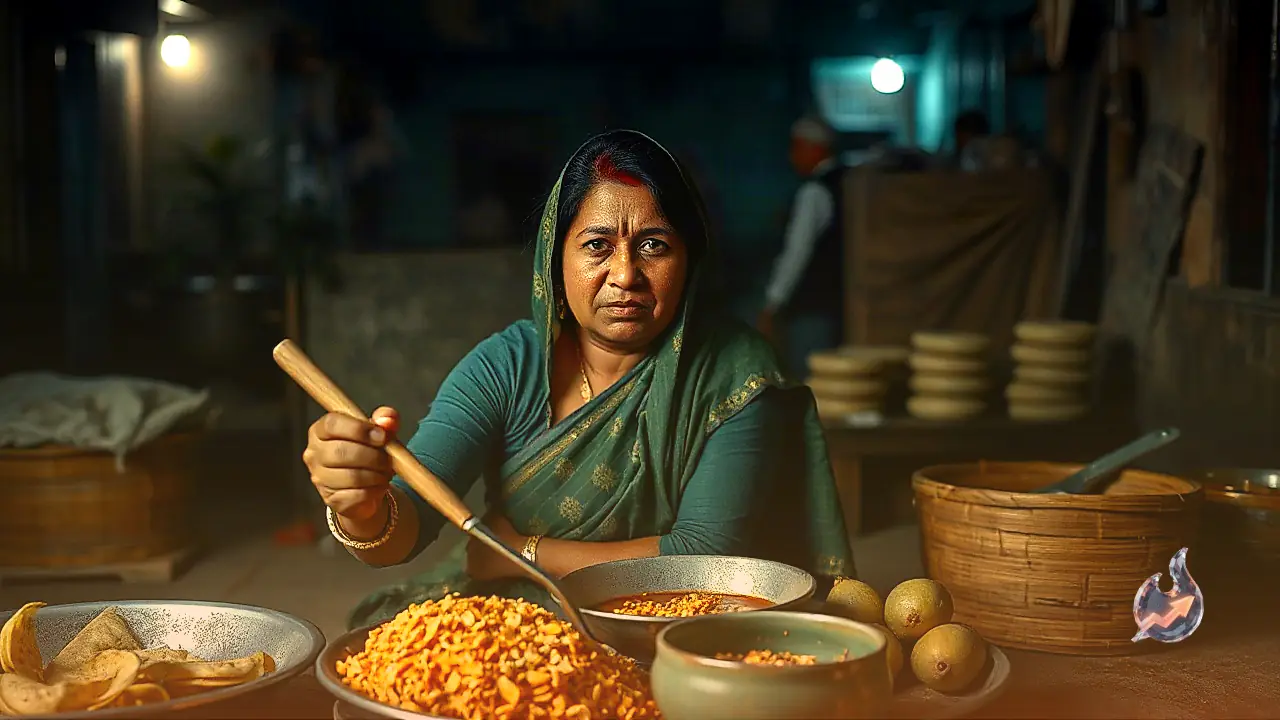

During the monsoon month of Bhado, rural households across Madhya Pradesh's Baghelkhand region fill with the aroma of age-old culinary preparations. Among these heritage dishes, rakchiya, widely referred to in several parts as patowda, holds a cherished place. Offering a crunchy exterior that encases rich, seasoned layers, this dish serves effortlessly as an evening tea snack or as a savoury side accompaniment to a plate of dal and rice. According to Satna resident Meena Dwivedi, crafting this delicacy at home calls for careful patience and structured steps, yet the resulting flavour makes the culinary effort entirely worthwhile.
Selecting and Prepping the Colocasia Leaves
The creation of patowda begins with sourcing tender, fresh colocasia leaves, commonly known as arbi leaves. Softer leaves yield far better flexibility during shaping compared to older, fibrous ones. The leaves are initially washed thoroughly under clean water to eliminate any adhering soil or dust particles and then patted dry. Next, each leaf is placed upside down so that the thick, rigid veins traversing the underside can be carefully shaved away using a sharp kitchen knife. This step remains crucial because removing the stiff ridges prevents the foliage from tearing during folding and significantly reduces the naturally occurring compounds that trigger itchiness or throat irritation during consumption.
Whipping Up the Spiced Gram Flour Batter
Once the leaves are dressed, attention shifts to building the seasoned binder. In a wide mixing bowl, a base of gram flour is combined with turmeric powder, red chilli powder, coriander powder, garam masala, asafoetida, and salt according to preference. A freshly crushed paste of garlic, ginger, and green chillies is then worked in to impart a sharp, peppery warmth.
A critical component of this mixture is the souring agent, introduced either through dry mango powder or concentrated tamarind pulp. This sour base not only sharpens the savoury profile of the dish but also neutralises the natural irritation inherent to raw arbi leaves. Water is gradually incorporated in small splashes while stirring constantly to avoid clump formation. The objective is to achieve a dense, spreadable batter with enough body to cling firmly to the waxy leaf surfaces without running off.
Layering Four Leaves into a Sturdy Cylinder
With the spiced batter ready, assembly begins on a clean, flat work surface. The largest leaf is laid face down, and an even, thin coat of the spiced gram flour paste is smeared across its entire reverse area using hands or a spatula. A second leaf is placed directly on top, positioned in the opposite direction to ensure structural balance and even thickness throughout the bundle.
After another layer of batter is applied, third and fourth leaves are stacked alternately, each receiving its own uniform coating of the mixture. This alternating four-leaf arrangement guarantees that the final structure stays firm. The outer lateral edges are folded inward slightly to seal in the paste, after which the stacked leaves are rolled tightly from the base upward into a compact, cylindrical log.
Steaming the Rolls and Proper Cooling
The prepared log is transferred to a steaming pot or cooker placed over boiling water. It is left to steam for approximately 15 to 20 minutes, allowing the internal layers of gram flour to cook thoroughly until they turn firm and solidified throughout.
Slicing the roll straight out of the steamer is strictly avoided because warm rolls remain fragile and can easily crumble under pressure. Instead, the steamed cylinder is allowed to cool completely at room temperature. As the structure cools, it tightens and hardens, enabling clean, intact cuts without shedding any crumbly filling.
Half-Inch Slices and Crispy Pan Tempering
Once cooled to room temperature, the cylindrical roll is sliced into rounds measuring approximately half an inch in thickness with a sharp kitchen knife. Each circular disc reveals an intricate spiral pattern of green colocasia leaves sandwiched between cooked layers of spiced gram flour.
To complete the dish, a shallow pan or griddle is heated with a small quantity of pure mustard oil. A tempering of black mustard seeds, a pinch of asafoetida, and white sesame seeds is dropped into the hot oil until fragrant and crackling. The sliced rounds are arranged across the pan and roasted over low to medium heat, flipping periodically until both sides develop a crisp, golden-brown crust.
Nutritional Value and Versatile Serving Options
Colocasia leaves are rich in beneficial nutrients, offering notable amounts of vitamin A, vitamin C, and dietary iron. The preparation technique also keeps fat content relatively modest, as the core cooking relies on gentle steaming, followed by minimal shallow-pan crisping rather than deep frying.
In regional households, rakchiya features in diverse meal settings. Served alongside hot tea and fresh coriander-mint chutney, it acts as a crunchy evening refreshment. At lunch, it pairs seamlessly with steamed rice and yellow lentils as a dry vegetable side. When hosting guests, cooks often simmer these browned rounds in a spicy tomato-onion curry flavoured with whole spices to create a rich main course. Additionally, the pieces can be added to a tangy buttermilk-based kadhi, underscoring the deep culinary flexibility of this classic Baghelkhand preparation.