

















Even as modern confectionery and imported chocolates increasingly dominate store shelves, traditional street sweets continue to command deep affection. In Karauli, Rajasthan, a heritage confection known as Gulab Lachhe holds steady sway over locals of all generations. Its vivid appearance and signature texture do not simply entice children, but also transport older residents back to fond memories of their earlier years.
Playful Street Rhymes and Enduring Childhood Craze
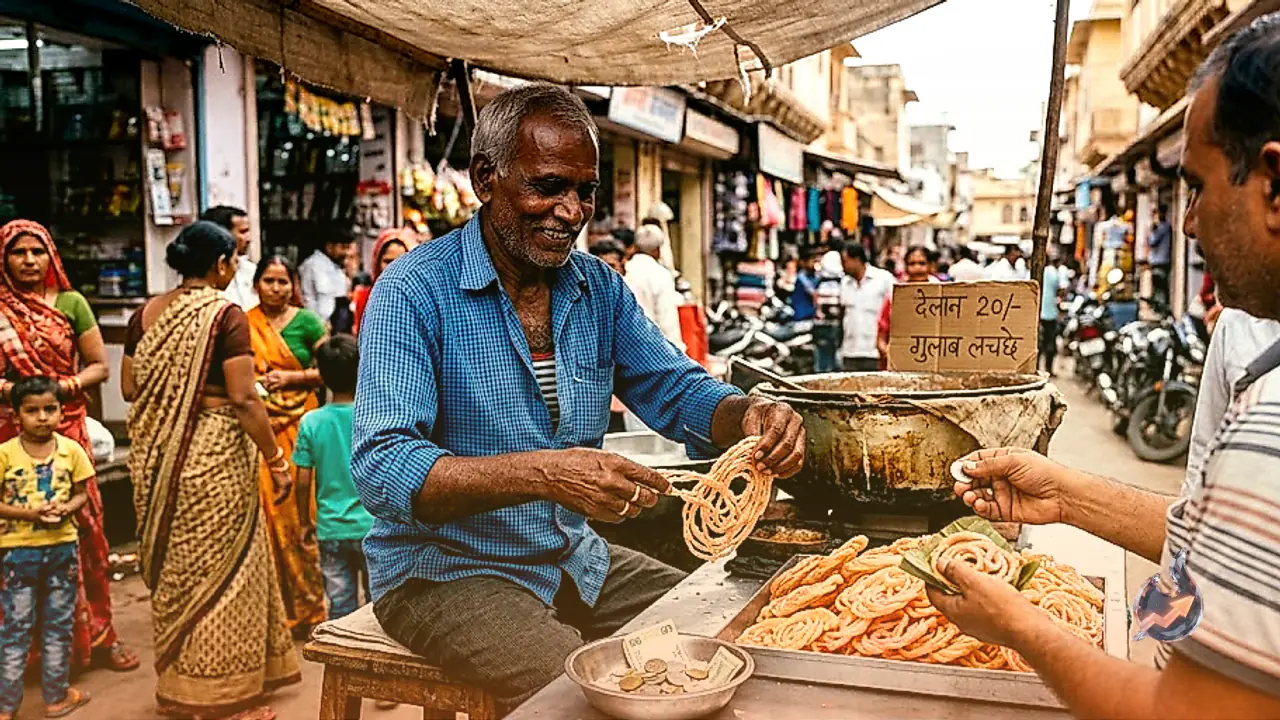
Across the lanes and village markets of Karauli, a memorable rhythmic chant has accompanied the sale of this delicacy for years. Youngsters often recite a local rhyming phrase calling Gulab Lachhe delicious, offering two pieces for ten rupees to anyone grabbing them quickly. Brightly colored and twisted into distinct shapes, the sweet easily captures the eyes of toddlers and young students from afar, who often urge their parents to buy it on the spot during market visits.
Bridging Generations Through Shared Nostalgia
Beyond being a delightful snack for youngsters, Gulab Lachhe functions as an emotional keepsake for community elders. Older locals recall purchasing and relishing the very same sweet decades ago during village fairs and school breaks. Seeing the exact same item intact today revives memories of their youth, ensuring that generational shifts have not eroded the enduring bond people share with this humble delight.
Affordable Indulgence at Just Five Rupees
In an economic climate marked by rising prices across packaged treats, Gulab Lachhe stands out for its extraordinary affordability. Each piece sells for a modest sum of five rupees, meaning buyers can secure two for ten rupees. This minimal price point keeps the sweet accessible to families across all income brackets and allows children to purchase their favorite treat using tiny allowances without straining household budgets.
Intricate Craftsmanship Resembling Traditional Gajak
Local confectioner Rajesh Gupta explains that crafting Gulab Lachhe requires strenuous physical effort and careful technique. The preparation follows a pulling method comparable to winter gajak, where sugar syrup must be stretched repeatedly. Artisans first boil the syrup to the right consistency before blending in roasted refined flour. This warm mixture is manually pulled and folded with specialized skill to produce delicate, fibrous strands before being shaped. According to Rajesh Gupta, an hour of labor typically yields around 100 finished pieces.
Preserving Cultural Sweetness in Changing Times
Despite rapid modernization in commercial snack manufacturing, the sweet tooth of rural and semi-urban Rajasthan remains loyal to this handcrafted treat. In Karauli and its neighboring rural pockets, Gulab Lachhe preserves a distinct culinary tradition, ensuring genuine handmade flavors survive alongside contemporary retail options.