






















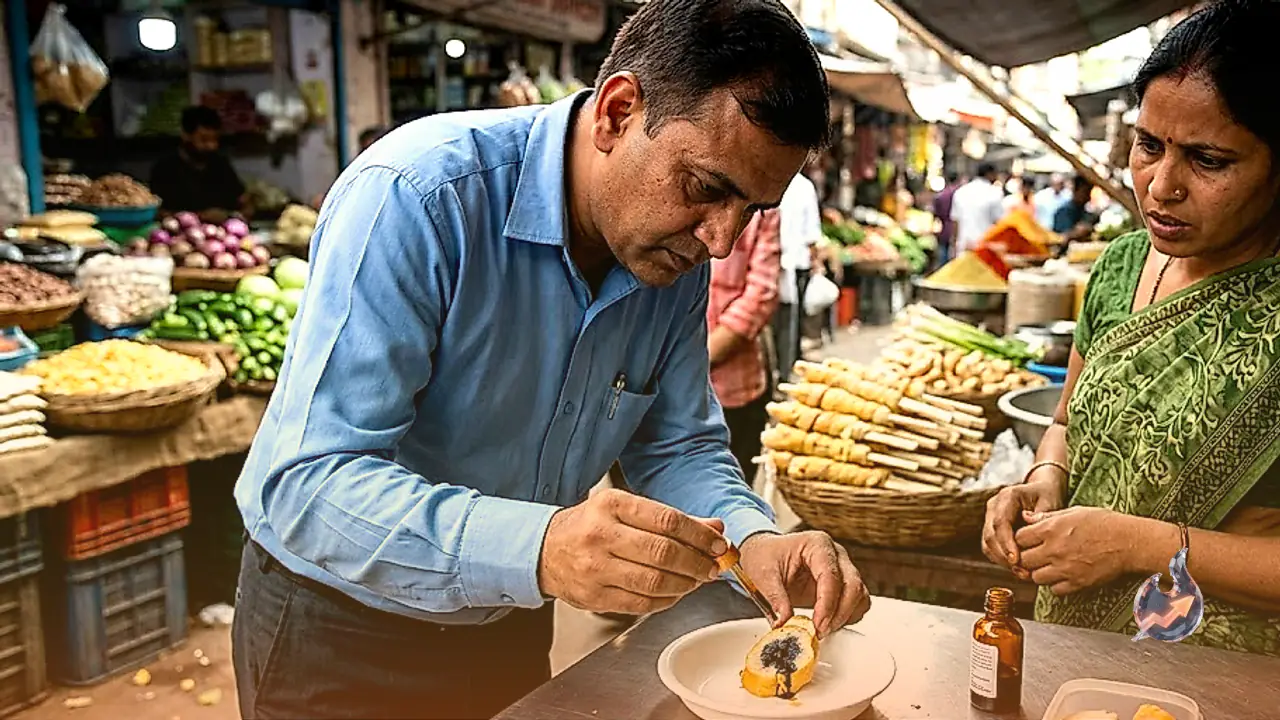

Soya chaap has rapidly emerged as one of the most sought-after dishes among vegetarians looking for a high-protein alternative to meat. Its widespread popularity across street food stalls and dining establishments has driven up market demand significantly. However, this surge in consumption has also led to an alarming rise in product adulteration. Manufacturers often substitute genuine soybean paste with cheap refined wheat flour (maida), whole wheat flour, or processed starch to maximize profits. Consequently, consumers who believe they are nourishing their bodies with a rich source of plant protein may actually be consuming carbohydrate-dense flour dough. To safeguard consumer health and ensure nutritional value, it is essential to learn how to distinguish authentic soya chaap from adulterated variants through simple sensory and physical tests.
Visual Inspection and Color Markers
The first step in evaluating the quality of soya chaap is a careful visual inspection of its physical appearance and color profile. Authentic, unadulterated soya chaap typically displays a subtle off-white or pale yellowish hue derived naturally from processed soybeans. If the product appears exceptionally white, overly glossy, or unnaturally bright on display, consumers should exercise immediate caution. Producers sometimes incorporate chemical bleaching agents or excessive quantities of refined flour to make the chaap visually appealing to unsuspecting buyers. Rather than relying solely on low pricing or attractive display presentation, buyers should examine the surface texture and natural shade. Genuine soya chaap possesses a mild, organic roughness rather than a slick, synthetic sheen.
The Water Immersion Texture Test
Evaluating the structural integrity of soya chaap in water offers a reliable method to detect filler materials. To execute this check, submerge a small piece of the raw chaap in a bowl of plain water for a few minutes. High-quality soya chaap retains its firm texture, elasticity, and shape when soaked. Conversely, if the piece quickly becomes mushy, disintegrates, develops a sticky residue, or loses its form completely, it indicates a high concentration of wheat flour or starch instead of soy protein. Performing this quick immersion test after bringing the product home prevents families from cooking and consuming substandard flour-based imitations disguised as protein-rich food.
Aroma and Odor Assessment
Olfactory cues provide valuable insight into the freshness and purity of soya chaap. Freshly prepared, genuine soya chaap emits a faint, pleasant nuttiness or a natural nutty bean aroma characteristic of soybeans. When inspecting un-packaged chaap at open-air markets, smell the product carefully before purchasing. If you detect a harsh chemical scent, sour odor, artificial fragrance, or stale smell instead of a clean soy aroma, avoid purchasing it immediately. Open-air displays exposed to environmental contaminants are particularly susceptible to spoilage. Rejecting items with sharp or unusual smells protects consumers from ingesting degraded or chemically treated food items.
Evaluating Taste Beyond Heavy Spices
Restaurants and street vendors frequently prepare soya chaap using intense gravy mixtures and heavy spice blends, which can mask the true flavor profile of the core ingredient. To verify quality during consumption, focus on the inherent taste of the chaap itself. Genuine soya chaap offers a gentle, distinct soybean flavor. If the chaap tastes completely bland, insipid, or leaves a heavy, pasty raw-flour aftertaste in the mouth, the soybean content is likely minimal. Products laden with refined wheat flour carry a distinctly different texture and doughy flavor compared to authentic soy protein. Recognizing the underlying taste rather than relying on external seasonings is crucial for identifying genuine quality.
Chemical Starch Detection with Iodine
For consumers who suspect that potato starch or refined flour has been mixed into their soya chaap, a simple chemical test can be conducted at home using an iodine solution. Take a small snippet of the raw chaap and apply a few drops of iodine solution directly onto its surface. If the test area turns dark blue or black, it confirms the presence of starch or heavy flour additives. Pure soybean protein does not trigger this color reaction with iodine. In addition to testing, consumers buying packaged items should read the ingredient declaration on the label to verify the percentage of soy protein versus filler ingredients before making a purchase choice.
Storage Conditions, Hygiene, and Packaging Integrity
Beyond evaluating the physical product itself, assessing the storage environment and hygiene standards of the vendor is critical. Avoid purchasing soya chaap from open stalls where the food is exposed to dust, flies, and unhygienic surroundings. When opting for pre-packaged varieties, ensure that the packaging is completely sealed and airtight to prevent contamination. Check the label carefully for manufacturing dates, expiration guidelines, and explicit percentages of soybean content. Practicing these basic precautions ensures that you bring home safe, authentic, and highly nutritious soya chaap for your family.